When the filter clogs, the blower has to work harder to pull air through it. Less air moves across the evaporator coil, and the coil can get cold enough to ice over. Once that happens the system is cooling less and straining more at the same time.
The coils and drain need their own look
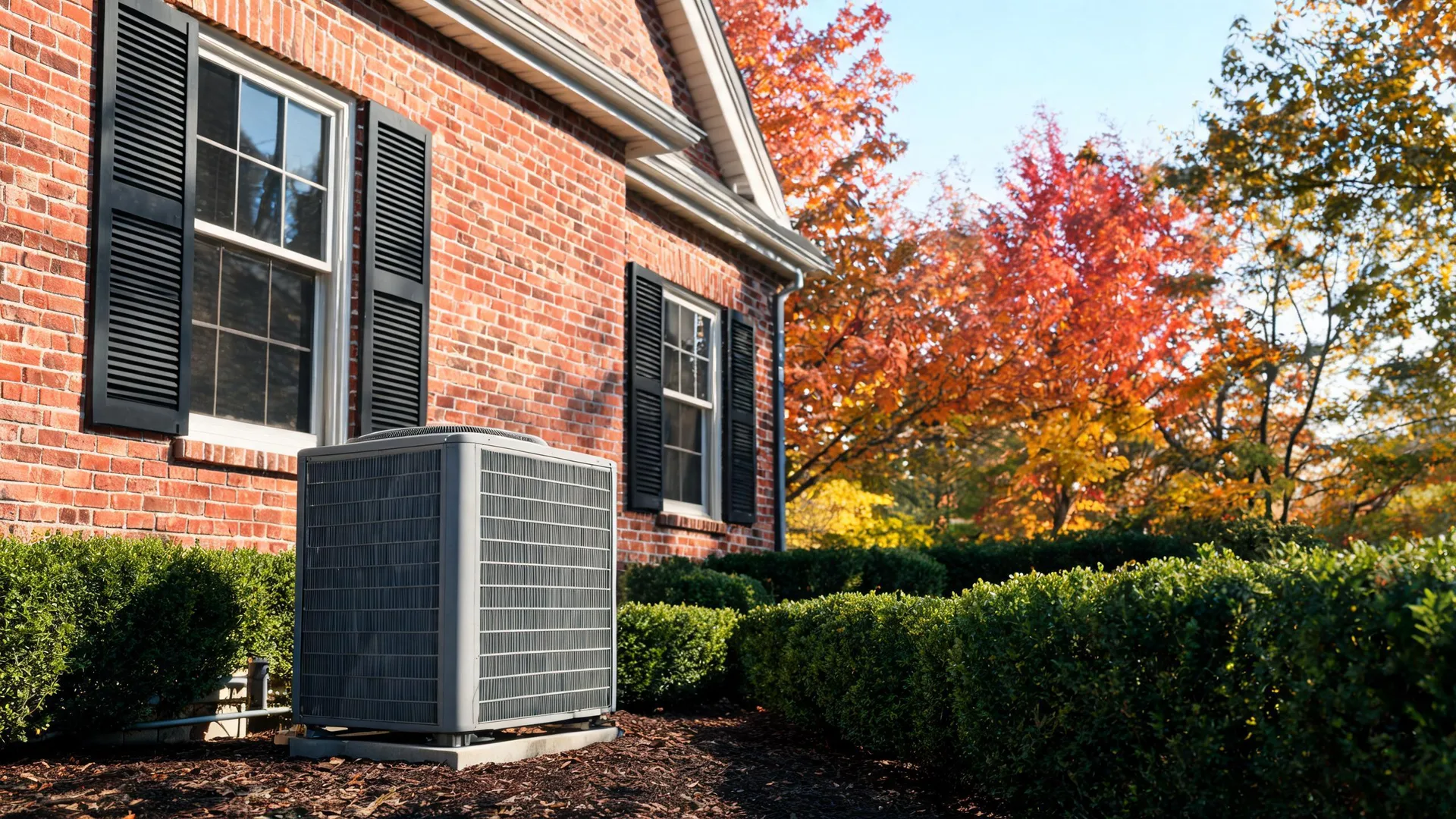
The outdoor condenser coil sheds heat best when it's clean. Dirt and grass clippings packed against the fins make the system work harder to do the same job. Inside, the drain line clears away the condensation the evaporator coil pulls from the air. If that line clogs, the pan backs up and water ends up where it shouldn't.
3 months
June through August, your air conditioner is on duty
82°F
the average summer afternoon it cools against
54 hail events
in ten years, and hail bends the fins on outdoor coils
131 wind events
in ten years, and wind drives debris into outdoor units
Your air conditioner works hardest from June through August.
Jan
Feb
Mar
Apr
May
Jun
Jul
Aug
Sep
Oct
Nov
Dec
NOAA nClimDiv, 1991–2020 normals
June is when cooling starts working for its living here.
Have it checked in May, before that first stretch of hard running.
One check before June covers the season here
Power costs 15.87 cents a kWh statewideCooling runs June through AugustSummer afternoons average 82°F
Rockford homes have an age most AC checks don't account forHalf the houses in Winnebago County were built in 1971 or earlier.
Winnebago County gets its share of rough weather. Damaging wind, hail, the occasional tornado. None of that wears on an air conditioner the way a summer of running does, unless something actually lands on the unit. A tree limb or storm debris in the condenser is its own visit, separate from maintenance. What the yearly check is for is the wear that happens on schedule just from the system doing its job, not from what the sky does. That holds true here the same as anywhere else.
Running fine and working hard are not the same thing
A system due for a check still runs. It just starts showing small signs while it does. It takes longer to pull the room down to the temperature on the thermostat. It runs longer than it used to for the same stretch of heat outside. The air coming out of the vents is cool but not as cold as it was. Sometimes there's a hiss or a rattle that wasn't there before, or the outdoor unit cycles on and off more than it should. None of that stops the system from working, so it's easy to let it go. But a system working harder to do the same job is also wearing faster while it does it, and that wear doesn't go backward once the season's over.
The filter is yours to check
Pull it out once a month during the summer and look at it against a light. If you can't see light through it, it's blocking airflow and needs to be changed. A clean filter is the one thing between visits that actually slows down wear instead of just watching for it.
Keep the area around the outdoor unit clear
The condenser needs open space to pull air through its fins. Keep grass clippings off it when you mow, keep leaves and mulch from piling against the sides, and leave room on all sides so air isn't getting pulled back in before it clears the unit. Nothing to open up, nothing to take apart. Just keep it clear.
Book your AC tune-up in May, before homes here start needing cooling in June.
Jan
Feb
Mar
Apr
May
Jun
Jul
Aug
Sep
Oct
Nov
Dec
A tune-up checks the refrigerant charge, cleans the coils, tests the capacitor and tightens the electrical connections.
A real tune-up starts with the refrigerant charge. Too little and the system cools poorly while the compressor works harder than it should. Too much does the same damage a different way. The tech checks it against what the system is supposed to hold, not just by feel. The electrical side gets checked too. The contactor, the capacitor that gets the compressor started, connections that loosen or corrode over a season of vibration. A capacitor that's starting to go can still run the system, right up until the day it can't. The coils get cleaned if they need it and the condensate line gets flushed. Then the tech checks that the system is actually pulling down to the temperature called for on the thermostat, not just blowing cold air. That last part is the one most people skip checking themselves, and it's the one that tells you the system is doing its job, not just running.