
AC Repair in Illinois
Homes in Illinois are older than in 42 of the other 49 states.
Tell us about the job
Takes about a minute. No obligation.
- 83°Fsummer afternoon high where people live
- 3 monthsof cooling, June through August
- 15.87¢ per kWhwhat homes paid for power in 2024 (kWh means kilowatt hours, the unit on an electric bill)
- 2,864hail events from 2015 to 2024
Illinois sees more severe weather than most states Cook County gets hit hardest
- Southern counties need about 30% more cooling than northern ones
- Summer afternoons average 83°F where people live
- Cooling runs June through August
- 2,864 hail events from 2015 to 2024
- 7,387 damaging wind events from 2015 to 2024
- 16% of homes lost power a day or more in 2024

Half of Illinois homes were built in 1971 or earlier

Cooling runs June through August here, about three months a year. Most breakdowns turn up in that first June, when the system gets pushed hard after sitting off and a weak part finally gives out. A capacitor that was already marginal won't make it through the first real heat.
May is worth a call before the heat sets in. A unit that struggled last August and was never looked at will have the same problem again, not a new one. Getting it checked in May means a repair instead of a breakdown during the first hot week of June.
A normal summer load, with storms added on top
Three months of real work a year, June through August, with afternoons averaging 83. That's not a hard summer compared to other states, and it's not a long one either. The part that gives out in July is usually the part that was already weak, not something the heat created. A capacitor or a contactor wears down over several summers, then fails on the first day it's asked to do real work. So the repair itself tends to be ordinary. What matters more here is the storm behind it. Illinois gets hit by damaging wind more than almost any other state, and hail almost as often. If the outdoor unit took a hit from a storm, that's a different call than a part wearing out on its own, and worth telling the tech when you call.
3 months of cooling, June through August
8 months of heat, October through May
What does an AC in Illinois face?
How hot do summer afternoons get?
83°Faverage afternoon high where people live
Alaska66°F
Arizona101°F
How many months does the cooling run?
3 monthsof cooling a year
Alaska0 months
Hawaii12 months
What does electricity cost?
15.87¢per kWh, what homes paid in 2024
North Dakota11.51¢
Hawaii42.86¢
How often do storms hit?
448severe weather events per county from 2015 to 2024
Alaska5
Wyoming1,057
How many homes lost power for a day or more?
16%of homes in 2024
Arizona7%
Maine54%
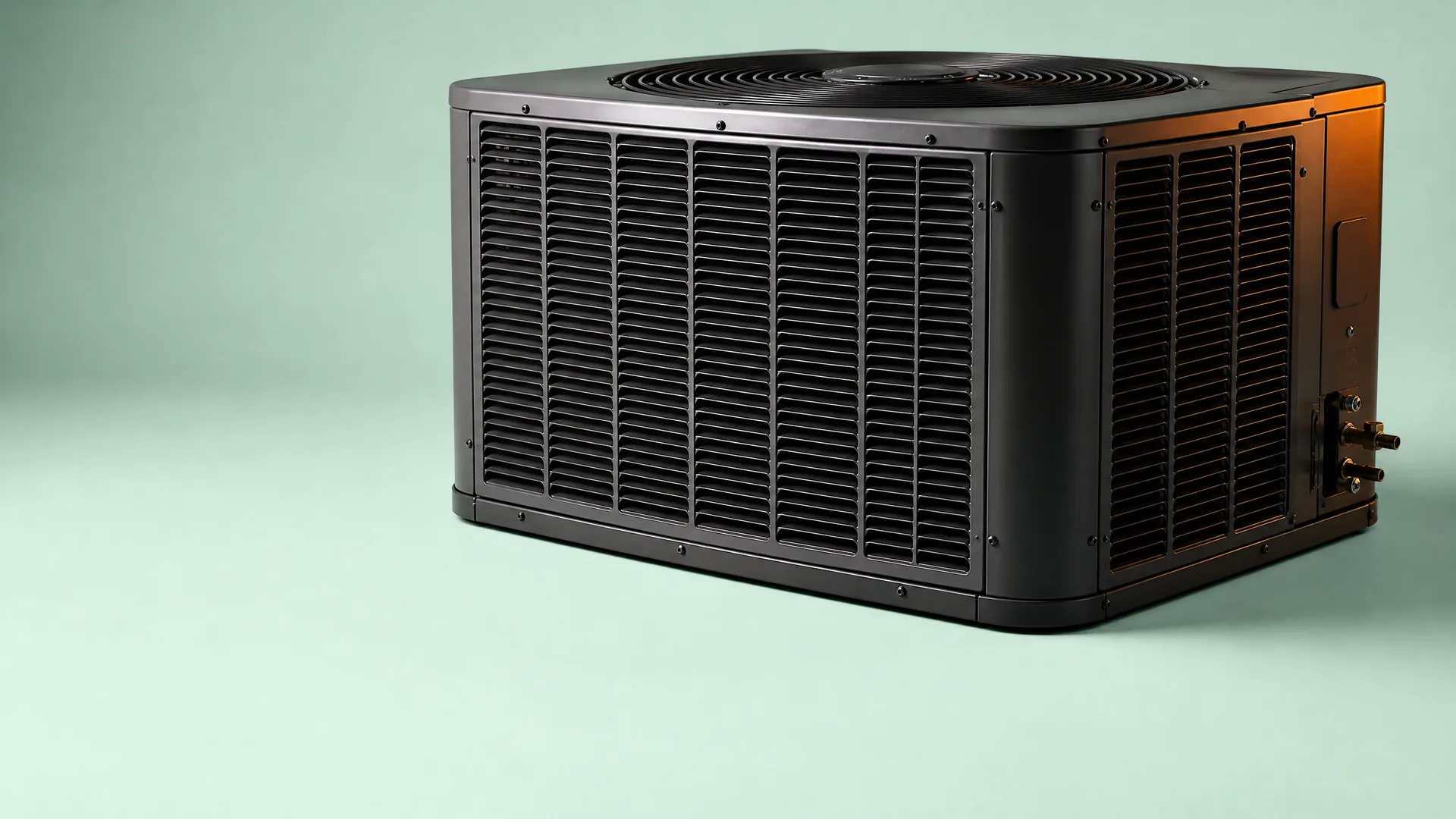
A struggling unit costs more every month it runs
Electricity here costs more than in most states, and a unit that's struggling spends more hours running to make the same amount of cold air. A dirty coil or a low charge makes the compressor work harder for the same result, and that shows up on the bill before it shows up as a breakdown. Illinois homes that use air conditioning put an average of 5.1 million Btu (British thermal units, a measure of heat) of electricity into it each year. A unit losing efficiency pulls more than that for the same cooling, every month it runs unchecked.
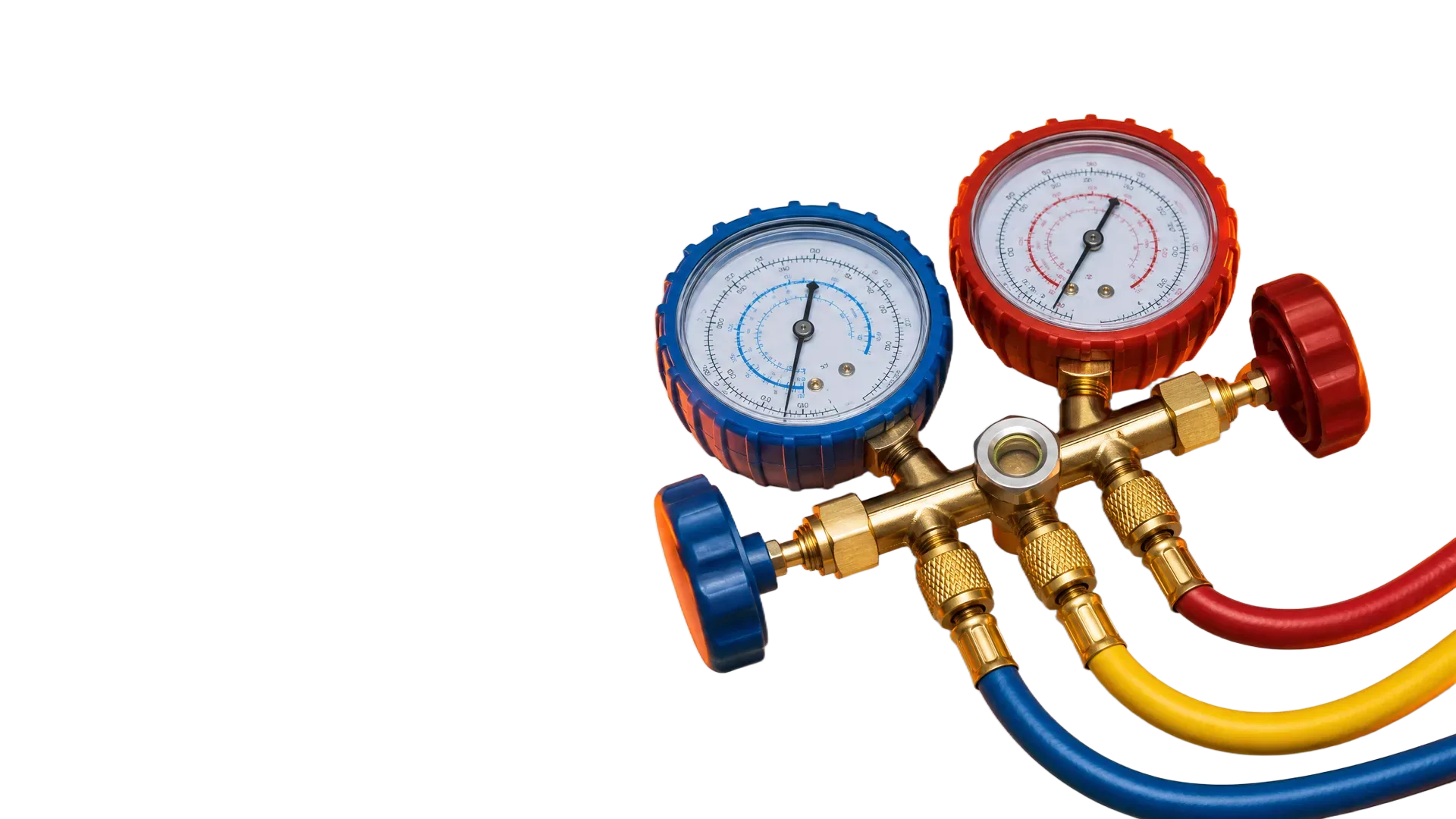
What to listen for and look for before the unit quits
The warning signs are usually simple, if you know what you're looking at. Warm air out of the vents with the thermostat set low points at the compressor or a refrigerant leak. Short cycling, where the unit kicks on and off every few minutes instead of running a steady stretch, usually means a dirty coil, a bad thermostat sensor, or an electrical fault. A hard click or a hum with no startup is often a failing capacitor, the part that gives the compressor and fan motor the push they need to get going. Ice on the refrigerant line or the indoor coil means airflow is restricted somewhere, often a clogged filter, or the charge is low. Water pooling near the indoor unit means the condensate drain is blocked and needs clearing before it backs up into the house. A grinding or squealing sound is a motor bearing going bad, not something that fixes itself. And a burning or musty smell from the vents is never nothing. Any of these is worth a call before it turns into a no-cool day.
North and south wear different parts
Illinois isn't one climate for cooling. Homes across the southern counties need about 30% more cooling over a year than homes up north, and Massac County needs roughly twice what McHenry County does, the lowest in the state. Further south, a unit runs more hours across more weeks, so the parts that depend on run time, the compressor, the capacitor, the fan motor, wear down sooner. Further north, a system can sit idle longer between real work, and the first failure is more often something that sat too long than something that ran too hard. Where you are on that map is worth mentioning when you call, because it points at what's likely worn before anyone looks at the unit.
Storms here hit outdoor units with hail and wind, so a unit that still runs is worth checking.
Tell us about the job
Takes about a minute. No obligation.
Fill out the form and a licensed Illinois contractor will look at the unit and tell you what it needs.