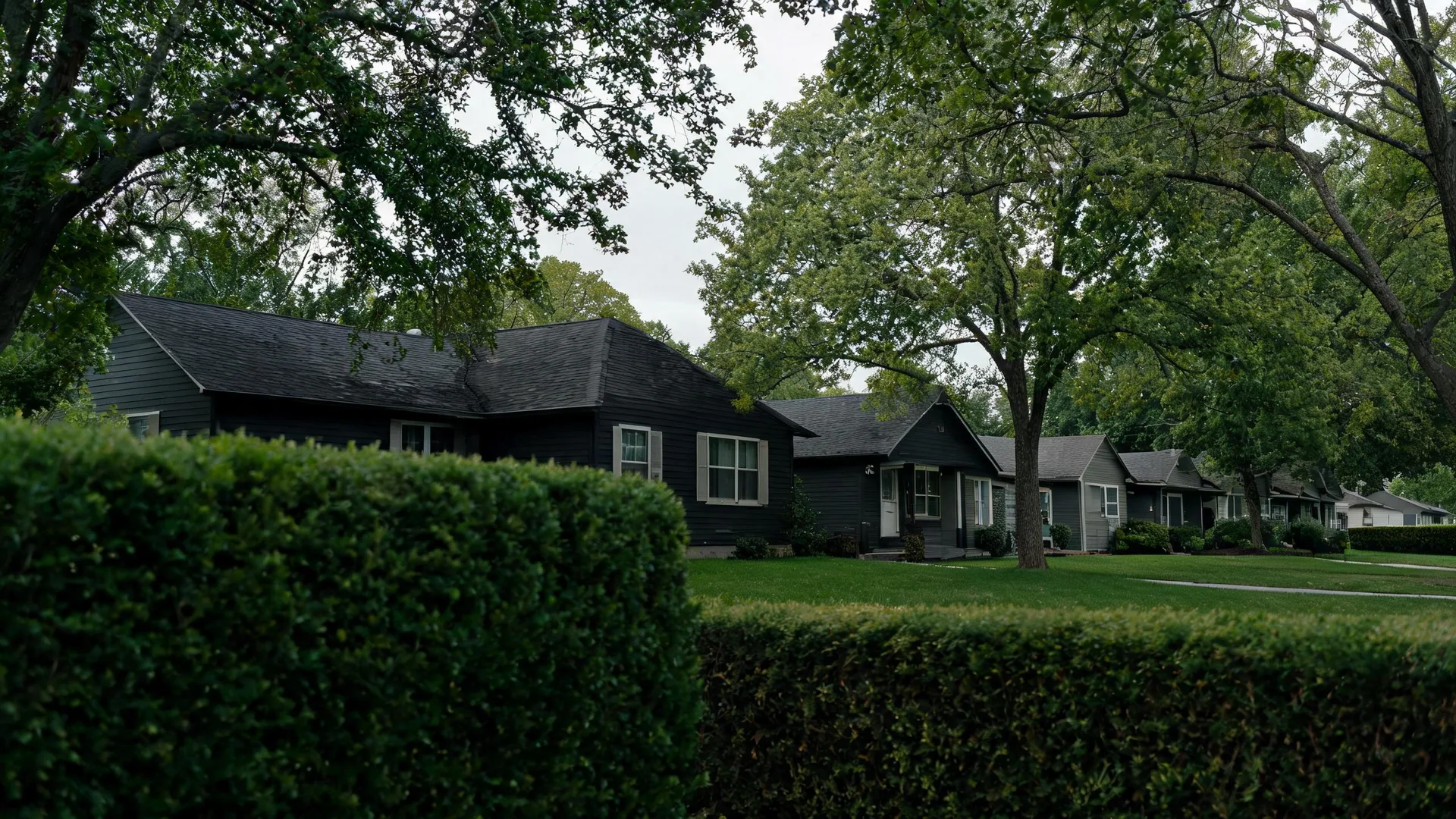





A row of dark-painted single-story houses with lawns and large deciduous trees, seen behind a tall trimmed hedge.

AC Repair in Charleston, IL

Tell us about the job

Takes about a minute. No obligation.

RepairCentral ACColes County, IL
Step 1 of 2

What ZIP code is the job in?

Charleston runs its air conditioner about five months a year, May through September, with afternoon highs around 85 in June, July and August. That is steady work but nothing extreme, and it does not point to any unusual cause when a system breaks down. A unit that will not cool, cycles too much, or trips its breaker is almost always dealing with the same things that cause trouble anywhere. A weak capacitor. A dirty coil. A low charge. A clogged filter choking off airflow. Wind and hail do pass through this county, so if the trouble started right after a storm, that is worth telling the contractor who comes out. Otherwise the fix is usually straightforward once someone finds the actual part at fault.

5 months
May through September, your air conditioner is on duty
85°F
the average summer afternoon it cools against
26 hail events
in ten years, and hail bends the fins on outdoor coils
64 wind events
in ten years, and wind drives debris into outdoor units
Isometric 3D cutaway render of a house with dark siding showing interior rooms, ductwork and an air handler, connected by lines to an outdoor condenser unit on a white background.
Your air conditioner works hardest from June through August.

NOAA nClimDiv, 1991–2020 normals

Check the filter before anything else, since a clogged one can look like a failing system.

If the air at the vents is weak everywhere in the house, that's where to start, not the compressor outside.

A system struggling in Charleston burns more power to do it

Power costs 15.87 cents a kWh statewide
Cooling runs May through September
Summer afternoons average 85°F

April is worth paying attention to here. Cooling starts in May and runs through September, and the first hot stretch is when a weak part finally gives out. A capacitor that limped through last September sitting idle all winter does not get stronger from months of doing nothing. Same with a low charge. A slow leak keeps leaking whether the system runs or not, so the unit starts the season already short. Having it looked at in April, before the heat arrives, means a weak part gets caught on a mild day instead of the first hot one.

A broken AC costs more to ignore in Illinois

Illinois electricity ran 15.87 cents per kilowatthour in 2024, and a system that's short-cycling or low on charge uses more of it to do less cooling. A bad capacitor or a weak charge does not fix itself while the meter keeps running. Getting the actual cause found now is worth more here than it would be somewhere with cheaper power.

Find a contractor
A gray residential air conditioner condenser unit mounted on a concrete pad in an open grass field.

Ask how much life is left before paying for the repair

If the system now giving trouble came with the house, ask the contractor straight out how much life is left in it before paying for a major repair. That question matters more here than the actual repair. A capacitor or a contactor is worth replacing no matter the unit's age. A compressor or a failing coil is a harder call on a unit that's already old. Half the homes in this county went up by 1971, so plenty of houses are on a second or third system by now, and there's no way to know which one yours is without asking.

What you notice first

Warm air from the vents, a system that runs without catching up, or one that clicks off and on in short bursts. Sometimes it's a smell, musty or burnt, coming from the vents or the outdoor unit. Sometimes water is pooling near the indoor unit when there shouldn't be any. These are the things that show up during the day, before anyone goes looking for a cause.

Why the symptom doesn't name the part

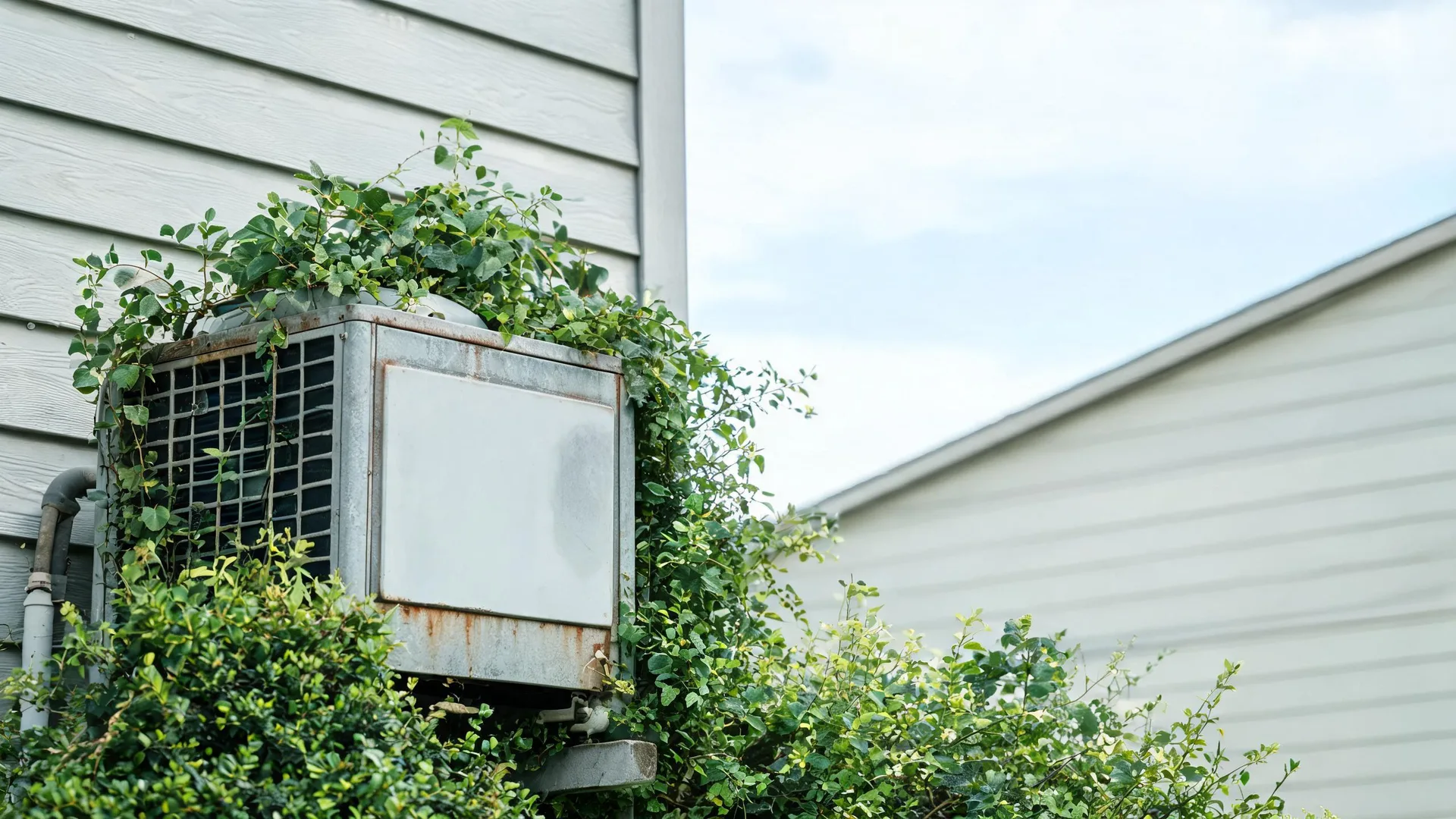
Short cycling can mean a weak capacitor, or it can mean the coil is iced over from low airflow. Warm air can mean a low charge, or it can mean the compressor is wearing out. A burnt smell can be a motor overheating or wiring going bad behind a panel. The symptom tells a contractor where to start looking, not what to replace, and that's the part only a hands-on check can settle.

Aerial view of a gray central air conditioning condenser unit on a concrete pad next to a house with vinyl siding.

A new air conditioner would save little on running costs in Coles County, so the repair decision comes down to the unit's condition.

  • A new one at the federal minimum, 13.4 SEER2$270 a year
  • An older air conditioner$290 a year

Estimates for a typical Coles County home, compared with an older unit built to the previous federal minimum, from EIA household energy data, Illinois fuel prices and NOAA climate normals. Your home will differ.

Repair makes sense when a part like a capacitor or contactor has failed.

Replacement makes sense when the compressor has failed or the system uses R-22 refrigerant, which is no longer made.

A diagnostic visit starts outside, with the condenser running if it can run at all. A gauge set goes on the lines to check the charge, because both high and low readings point to real problems rather than guesswork. The capacitor gets tested under load, not just looked at, since a capacitor can read fine sitting still and still fail to kick the compressor on. Indoors, the coil gets checked for ice or for dirt built up across the fins, and the filter comes out if it has not already. Airflow gets checked at the vents, because a system can have good refrigerant and a strong compressor and still cool poorly if air cannot move through the ductwork. Whatever gets found, the contractor should be able to point to the actual part and explain what it was doing wrong, not just that the system is now blowing cold.