
AC Installation in Illinois
Homes in Illinois are older than in 42 of the other 49 states.
Tell us about the job
Takes about a minute. No obligation.
- 83°Fsummer afternoon high where people live
- 3 monthsof cooling, June through August
- 15.87¢ per kWhwhat homes paid for power in 2024 (kWh means kilowatt hours, the unit on an electric bill)
- 2,864hail events from 2015 to 2024
Storms here hit harder than most states Cook County logs the most of any county
- Southern counties need about 30% more cooling than northern ones
- Summer afternoons average 83°F where people live
- Cooling runs June through August
- 2,864 hail events from 2015 to 2024
- 7,387 damaging wind events from 2015 to 2024
- 16% of homes lost power a day or more in 2024


- A new system gets sized to the home's actual cooling load, not matched to the tonnage of the old one
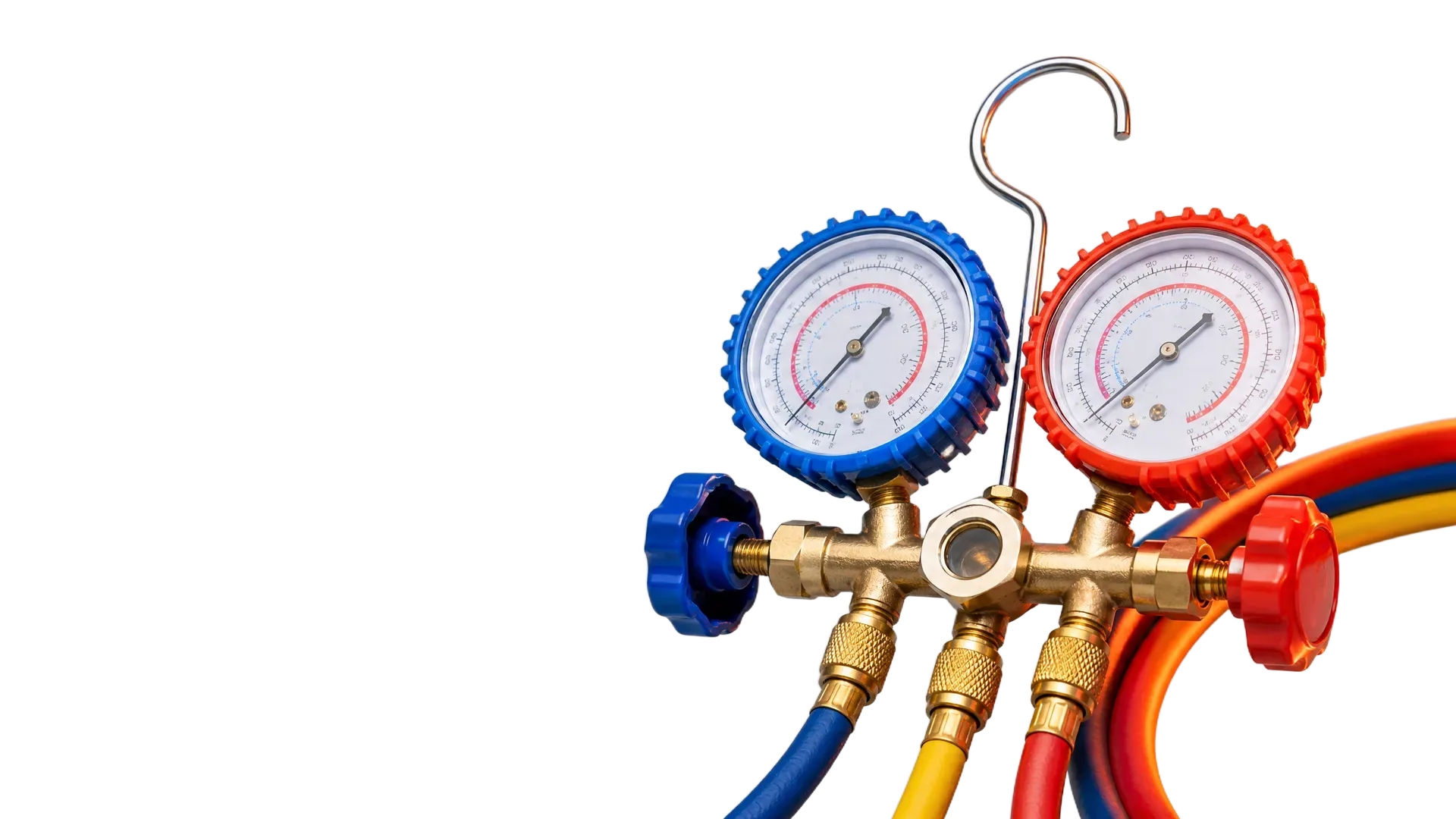
- Correct refrigerant charge lets the compressor hit its rated efficiency instead of straining to keep up
- Sealed duct connections at the plenum keep cooled air from leaking out before it reaches the rooms
- A level outdoor pad and clearance around the condenser let the coil shed heat properly
- The thermostat gets configured to the new system so it reads indoor temperature and cycles the compressor correctly

Half the homes in Illinois were built in 1971 or earlier. A house that age was rarely designed around central air from the start. If yours is one of them, the ductwork may have been added later or sized for a smaller system than what goes in today. A contractor sizing a new system has to work with the house as it actually is now, not what a standard load calculation would assume for new construction.
Illinois homes are older than in 42 of the other 49 states, and most of the housing stock here, 64.3%, is detached or attached single-family houses. Older single-family homes tend to have been added onto or updated differently from one house to the next, even on the same block. That means the duct connections and the space around the air handler can need more attention in one of these houses than they would in a newer one.
A standard system, installed to take a hit
Cooling runs three months here, June through August, and afternoons average in the 80s. That's a shorter, milder season than most states get, and a standard size and efficiency unit handles it without strain. What this state does see more of than most is damaging wind and hail, and the condenser sits outside through all of it. Installed level, on a solid pad, with clearance around it, the unit is set up to take that.
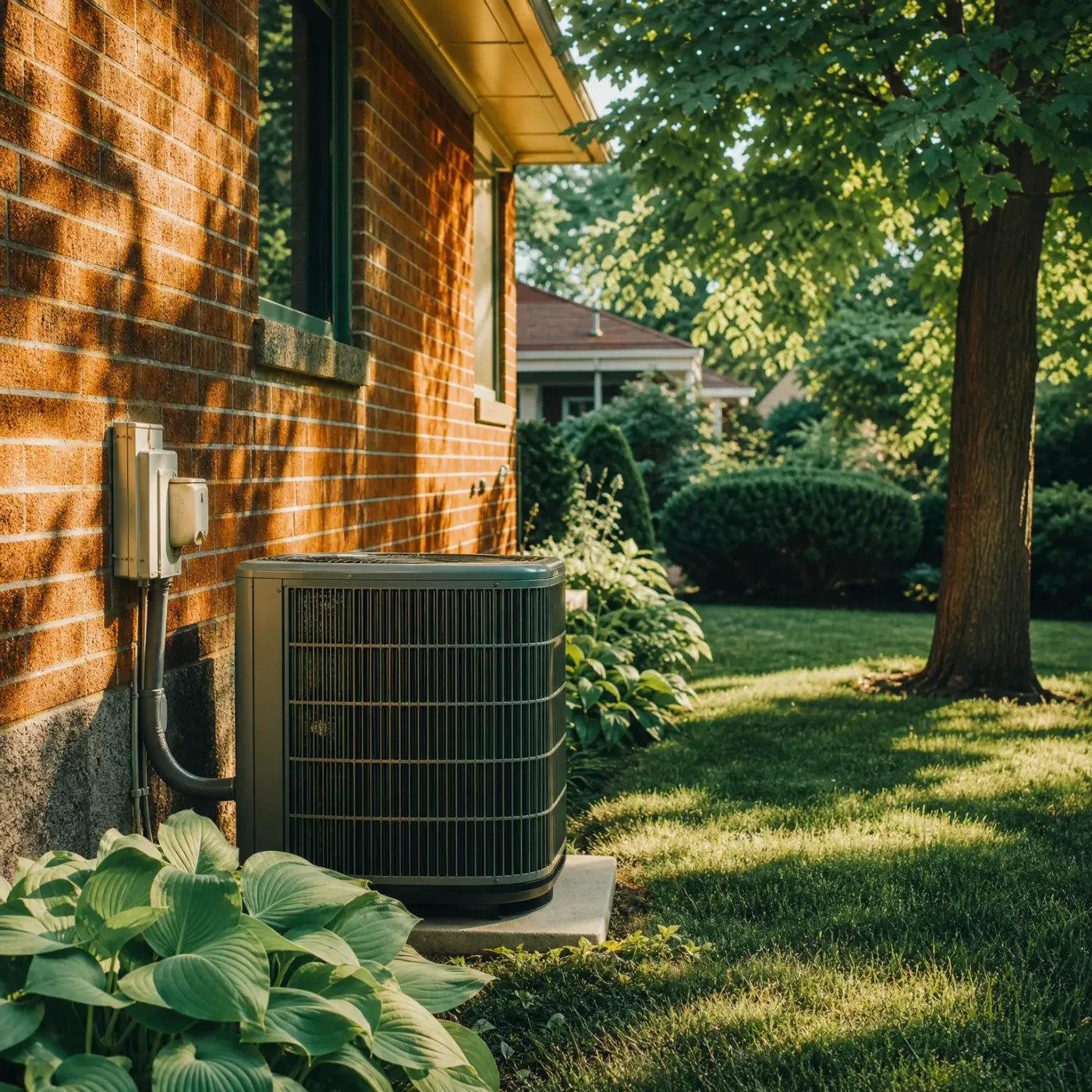
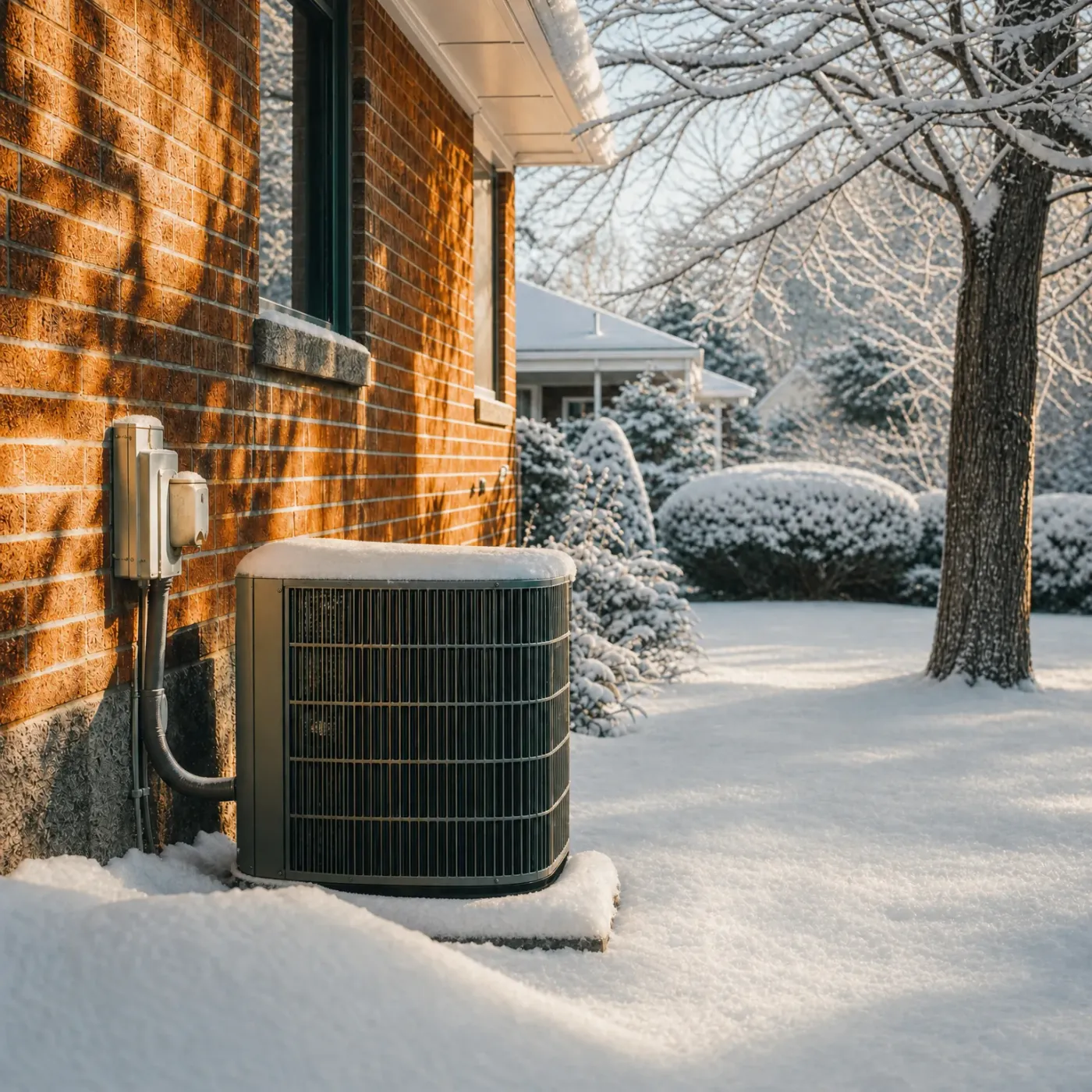
3 months of cooling, June through August
8 months of heat, October through May
What does an AC in Illinois face?
How hot do summer afternoons get?
83°Faverage afternoon high where people live
Alaska66°F
Arizona101°F
How many months does the cooling run?
3 monthsof cooling a year
Alaska0 months
Hawaii12 months
What does electricity cost?
15.87¢per kWh, what homes paid in 2024
North Dakota11.51¢
Hawaii42.86¢
How often do storms hit?
448severe weather events per county from 2015 to 2024
Alaska5
Wyoming1,057
How many homes lost power for a day or more?
16%of homes in 2024
Arizona7%
Maine54%
Get it in before June
Cooling runs June through August here, so May is the month to get a new system in. Do it then and a contractor can size the unit and check the ductwork without the pressure of a house already running warm. Do it in June and the job happens around whatever the weather is doing that week, not on a schedule either of you picked.
What the price actually reflects
The price on an installation rarely comes from the equipment alone. A unit has to be sized to the home's actual cooling load, and that takes a contractor measuring the house rather than matching the old unit's tonnage. Ductwork is often the bigger factor. Runs that are undersized, leaky, or routed poorly starve certain rooms, and fixing that happens before the new condenser ever gets set in place. The line set and electrical hookup add their own variables. How far the condenser sits from the air handler, whether the breaker panel can handle the new unit's draw, whether a disconnect needs to be added or relocated, all of that is labor that changes from house to house even with identical equipment. The spot outside matters as well. A pad that needs leveling or clearance that has to be cut back around the condenser adds work before the installation itself even starts. None of that shows up on a quote that only lists a model number.
Most homes here run on gas heat
Gas heats 75.3% of homes in Illinois, more than any other fuel. For a cooling install, that matters because central air usually pairs with the furnace's existing air handler and ductwork rather than needing a new one built around it. Electricity heats 18.6% of homes, and in those the AC installation may involve different equipment at the air handler. LP gas heats a smaller share still, at 4.2%. If your home runs on anything other than gas, say so up front. It changes what the installer is matching the new AC to.
Cooling need varies widely across Illinois, from McHenry County's low to Massac County's near double.
Tell us about the job
Takes about a minute. No obligation.
Fill out the form and a licensed Illinois installer sizes the system to your part of the state.