Electricity here runs 15.87 cents per kilowatthour
Illinois households paid that rate in 2024. An air conditioner that runs inefficiently turns more of every kilowatthour into wasted heat instead of cooling.
Takes about a minute. No obligation.
Illinois households paid that rate in 2024. An air conditioner that runs inefficiently turns more of every kilowatthour into wasted heat instead of cooling.
A higher SEER2 unit uses less power to produce the same cooling. At Illinois rates, that difference shows up on every bill the system generates, not just the first one.

NOAA nClimDiv, 1991–2020 normals
The size of the unit has to match the house, not the budget.
An oversized system cools the air fast and shuts off before it pulls the moisture out, so the room feels damp even at the right temperature.



Half the homes in Coles County were built in 1971 or earlier. A house that age usually wasn't built with central air in mind, even if a system was added later. The ductwork, the return air path, the electrical panel all came first, sized for whatever heated and cooled the place at the time. When a new system goes in, it has to work with what's already there, not with a blank slate. That's a different job than fitting a system into a house built with central air from the start.
Cooling here runs May through September. April is the last quiet month before that starts, and it's the better time to put in a new system. Do it now and there's no rush to size the unit right or match it to the ductwork already in the house. Wait until the first hot week and the choice gets made under pressure, with whatever's on hand.
Find a contractorA contractor who installs here should walk the ductwork and the panel before quoting a unit, not after. If your system came with the house rather than the house being built for it, that's the thing worth saying out loud during the estimate. It changes what size and type of equipment actually works in the space you have.
A contractor should run a room by room load calculation before naming a unit, not after. That calculation accounts for window area, insulation, and ceiling height, not just square footage. Houses the same size can need different sized systems depending on those details. If the quote lists a tonnage without mentioning a calculation, ask what it was based on.
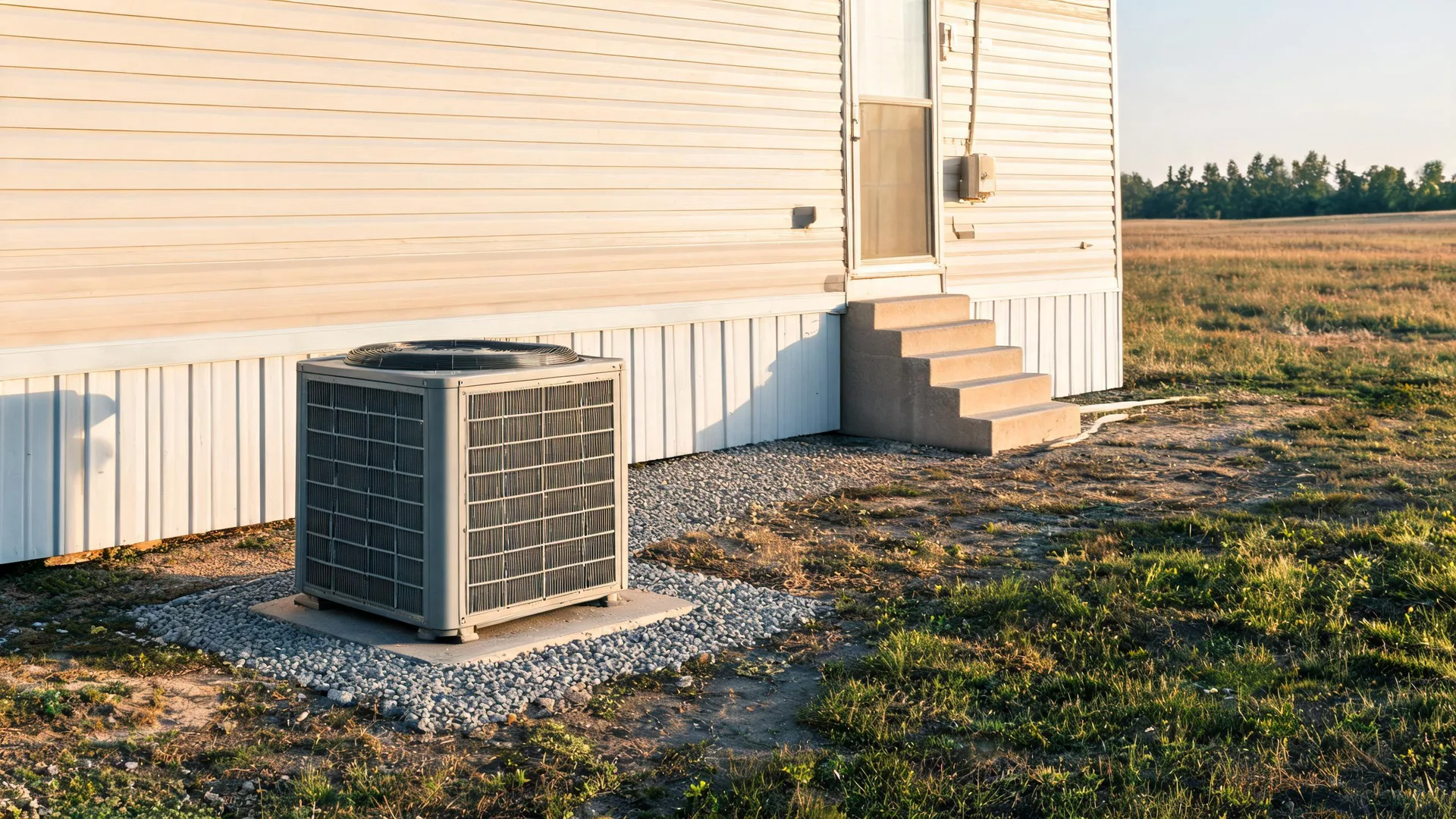
If the outdoor unit is being replaced, find out whether the existing line set gets reused or replaced. An old line set can hold contaminants or the wrong refrigerant residue for a new system. Ask too whether the condenser pad is level and rated for the new unit's weight, since a cracked or sinking pad causes problems later that have nothing to do with the equipment itself.
Estimates for a typical Coles County home, from EIA household energy data, Illinois fuel prices and NOAA climate normals. Your home will differ.
Installation day starts with the old system coming out, not the new one going in. The indoor coil, the outdoor unit, the line set if it's being replaced, all of it comes out before anything new gets set. Once the space is clear, the new equipment gets set and leveled, the line set gets connected, and the system gets evacuated to pull all the air and moisture out of the lines before refrigerant goes in. That step matters more than it looks like it should. Any moisture left in the lines causes problems months later, not that day. After the charge is set, a good contractor checks the airflow at the registers and the temperature split between the return air and the supply air, because that split tells you whether the system is actually cooling the way it's supposed to. The thermostat gets wired and tested last, after the equipment is already proven to run right.