
AC Maintenance in Illinois
Homes in Illinois are older than in 42 of the other 49 states.
Tell us about the job
Takes about a minute. No obligation.
- 83°Fsummer afternoon high where people live
- 3 monthsof cooling, June through August
- 15.87¢ per kWhwhat homes paid for power in 2024 (kWh means kilowatt hours, the unit on an electric bill)
- 2,864hail events from 2015 to 2024
Severe weather here outpaces most states hail and wind lead the count
- Southern counties need about 30% more cooling than northern ones
- Summer afternoons average 83°F where people live
- Cooling runs June through August
- 2,864 hail events from 2015 to 2024
- 7,387 damaging wind events from 2015 to 2024
- 16% of homes lost power a day or more in 2024

Half the homes in Illinois were built in 1971 or earlier. An AC system that old has had decades to go through wiring changes and duct repairs, some done well, some just patched. A yearly check gets someone's eyes on the connections and the airflow before a heat wave finds the weak spot first.
Illinois homes are older than in 42 of the other 49 states, and most of the state's housing is detached single-family houses. The electrical panel and the ductwork feeding an older AC system have usually been touched by more than one owner. A yearly check is how a contractor catches a worn capacitor or a slow refrigerant leak before it becomes a system that won't start.
A short season, so one check before summer is what it needs
Cooling runs three months here, June through August, with afternoons averaging 83 degrees. That's a shorter season than most of the country sees, and the system sits idle the rest of the year before summer asks everything of it at once. The bigger risk isn't the heat. Illinois sees more damaging wind and hail than nearly every other state, and a storm that knocks out power for hours can bring the system back on wrong, or not at all. One check before June catches a weak capacitor or a loose connection while there's still time to fix it.
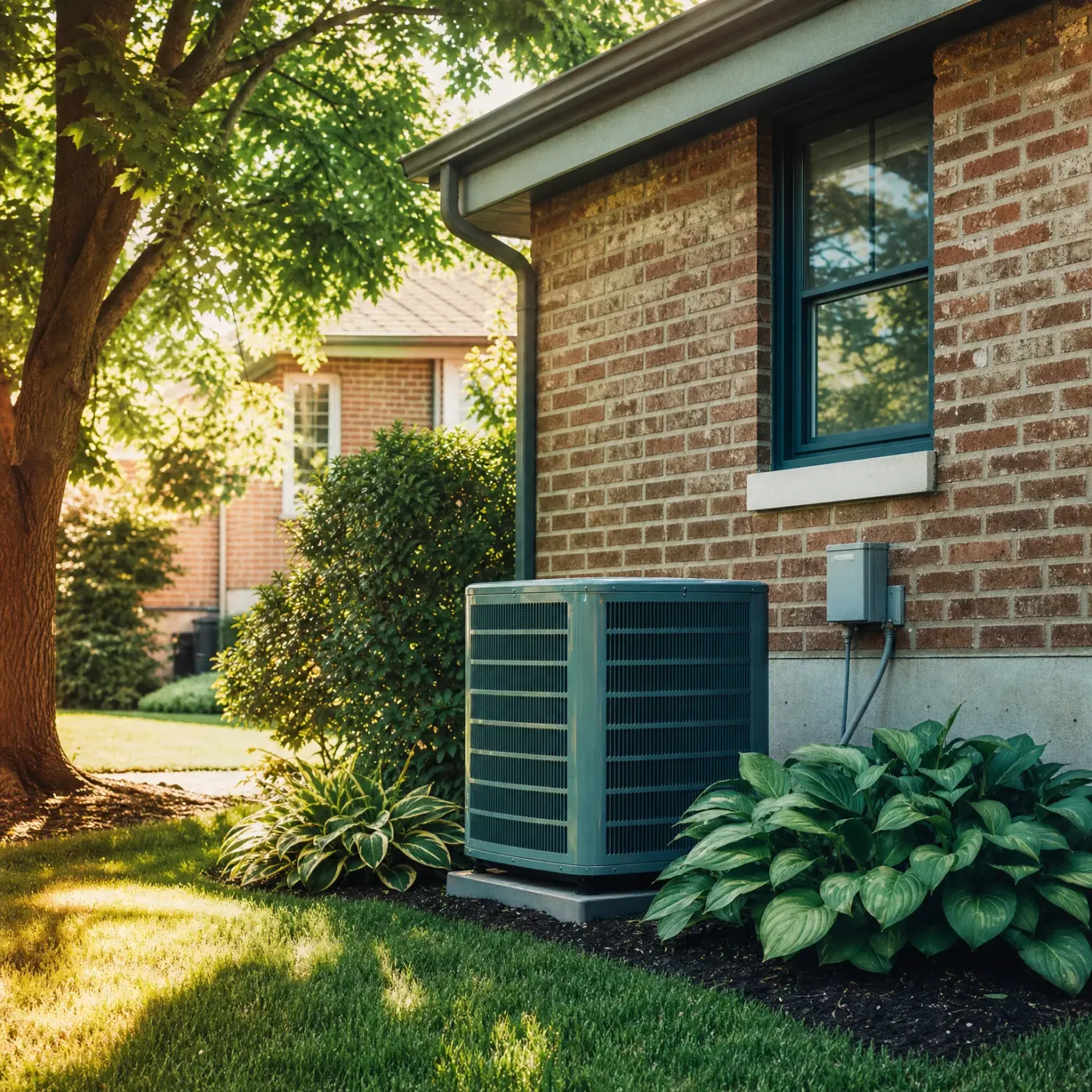
3 months of cooling, June through August
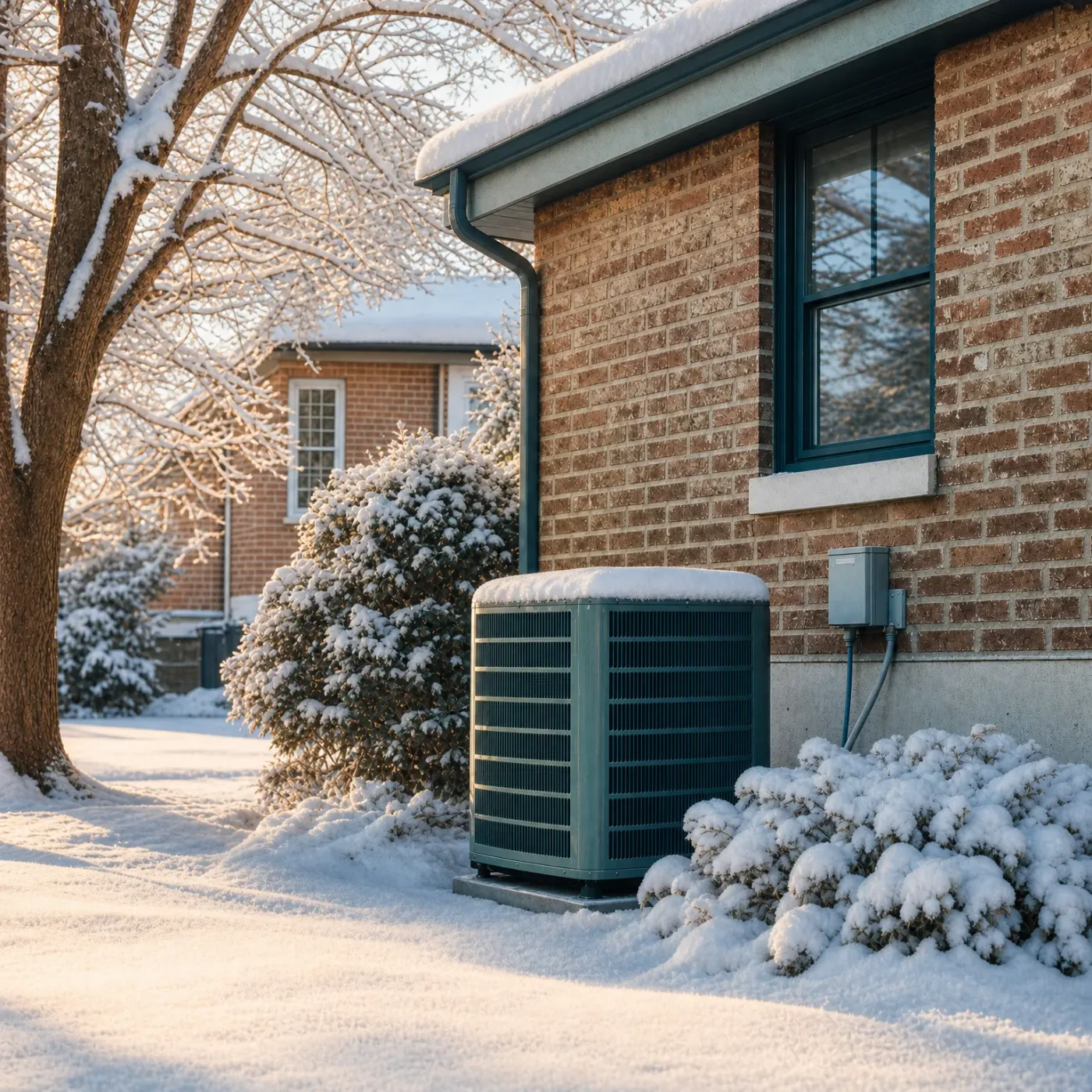
8 months of heat, October through May
Cooling need isn't the same from one end of Illinois to the other. Southern counties run about 30% more cooling over a year than northern counties, and the gap is biggest between Massac County, which needs about twice the cooling of McHenry County, where the state's cooling need is lowest.
Summer afternoons follow the same pattern. Alexander County averages 88°F across June, July and August, the hottest in the state. Lake County averages 81°F, the mildest. A system in Alexander County is working a hotter afternoon, day after day, than one in Lake County.
The season itself runs longer in some counties than others. Homes in Madison County run cooling about five months a year, the longest stretch in the state. Cook County homes run it about three months, the shortest. A system working five months a year is due for a look before that stretch starts, not after it's underway.
Wherever a home sits in the state, a check timed to that county's season, not the calendar on the wall, is what catches a weak part before the hottest afternoons of the year find it.
What does an AC in Illinois face?
How hot do summer afternoons get?
83°Faverage afternoon high where people live
Alaska66°F
Arizona101°F
How many months does the cooling run?
3 monthsof cooling a year
Alaska0 months
Hawaii12 months
What does electricity cost?
15.87¢per kWh, what homes paid in 2024
North Dakota11.51¢
Hawaii42.86¢
How often do storms hit?
448severe weather events per county from 2015 to 2024
Alaska5
Wyoming1,057
How many homes lost power for a day or more?
16%of homes in 2024
Arizona7%
Maine54%
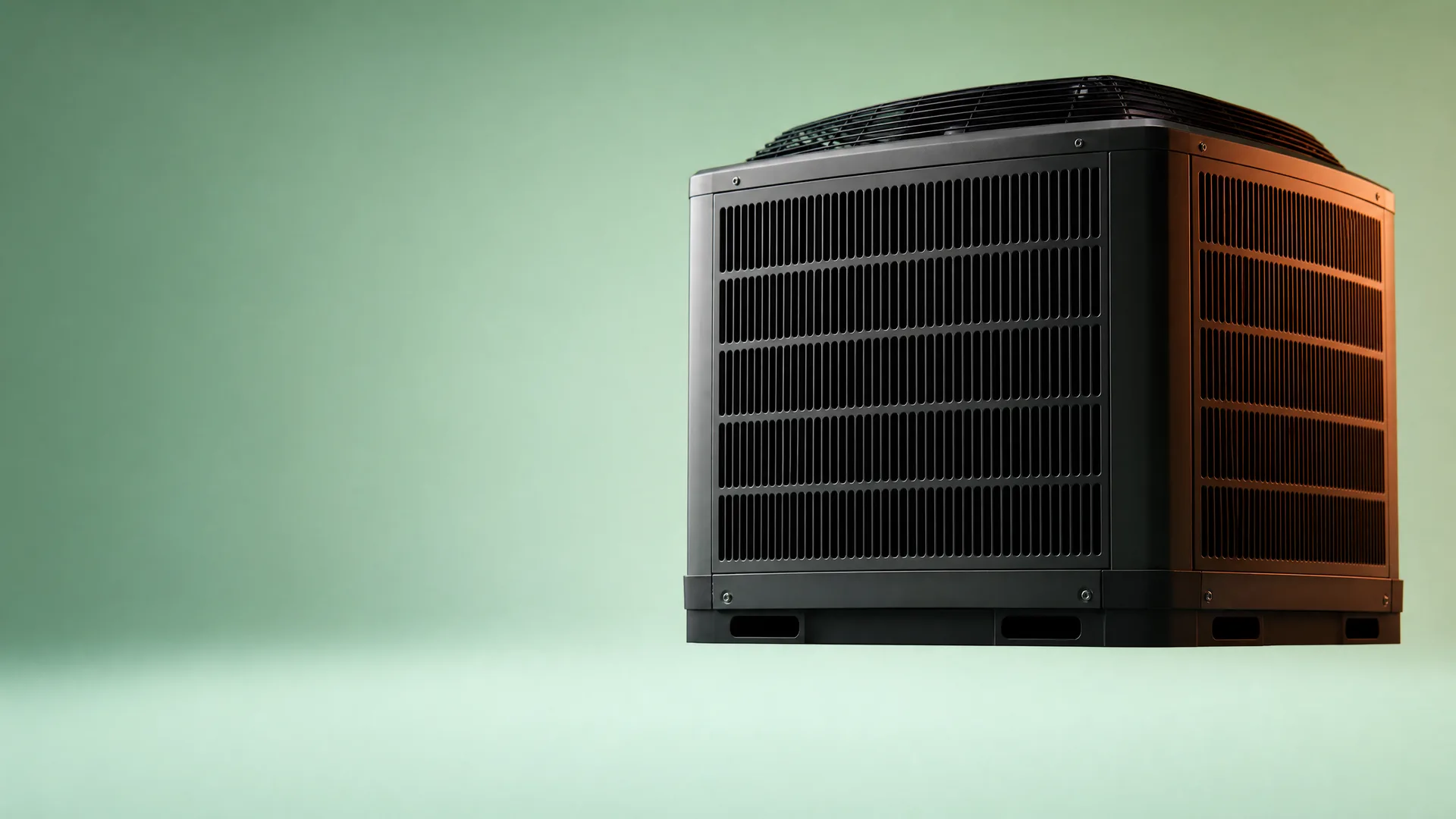
A system running clean costs less to run, and power here isn't cheap
A dirty coil or a weak capacitor makes the compressor work harder to cool the same house. That extra draw shows up on the bill every month, not just once. Illinois homes pay 15.87 cents per kilowatt-hour, more than in 32 other states, and the average home here puts a lot of electricity into air conditioning over a summer. A system running clean pulls less of that power than one left to wear. A tune-up finds the part driving the draw up while there's still time to fix it cheap.
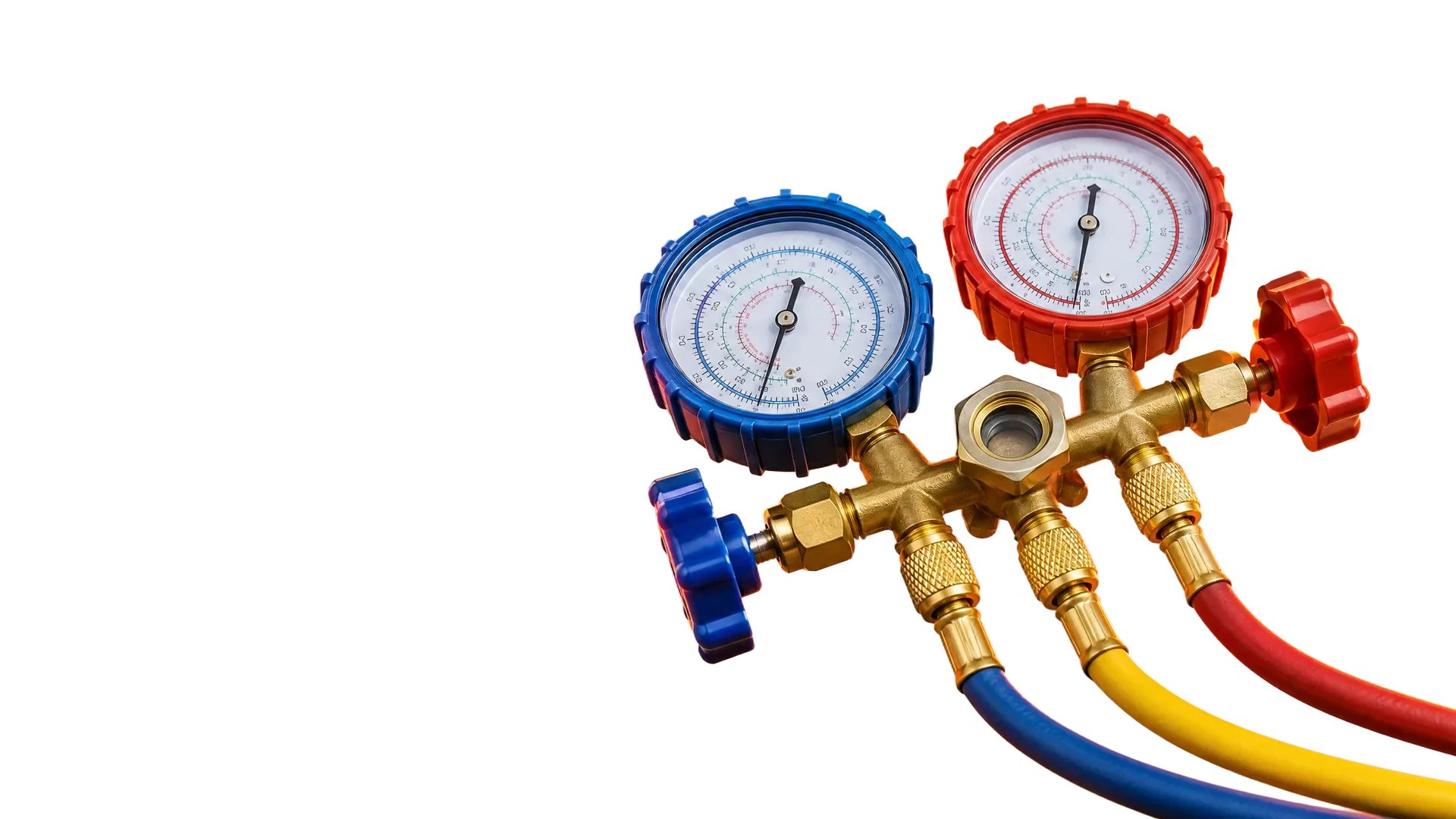
What you can check yourself
Between visits, the filter is the one thing worth checking yourself. Pull it out, hold it up to a light, and if you can't see through it, replace it. A clogged filter starves the system of airflow, and the coil behind it can ice over even on a hot afternoon. Outside, keep the area around the condenser clear. Grass clippings, leaves and mulch piled against it block the airflow the unit needs to dump heat, and the fins on the side bend easily if something is leaned against them. After a storm, look at the unit before you turn the system back on. Branches, hail dents, or a cover that's come loose are all things worth catching before the compressor starts up against them. Inside the house, keep vents and returns open and unblocked by furniture or rugs. A system fighting a blocked return works harder for the same result, and that strain finds the weakest part first.
Book it in May, before June hits
Cooling starts in June here and runs through August. May is the month to get the check done, before the first hot stretch asks the compressor to work. A unit that's sat idle all winter doesn't show its weak parts until it's running hard, and by June the heat isn't waiting around for a service call.
Power already costs more here, and a neglected system only pulls more of it.
Tell us about the job
Takes about a minute. No obligation.
Fill out the form once and a licensed Illinois contractor gets in touch to schedule the check.