



An outdoor air conditioning condenser unit mounted on a concrete pad next to a blue-sided residential house at sunset.

AC Maintenance in Freeport, IL

Tell us about the job

Takes about a minute. No obligation.

Tune-up, service, or cleaningCentral ACStephenson County, IL
Step 1 of 2

What ZIP code is the job in?

Cooling runs June through August here, just three months, but June asks a lot of the system right from the first hot day. May is the month to get it checked, before that happens. A technician can check the refrigerant charge, clean the condenser coil, and test the capacitor while the unit is still sitting idle. Catching a weak part in May means it gets fixed on a schedule, not in the middle of a hot afternoon with the house already warm.

3 months
June through August, your air conditioner is on duty
82°F
the average summer afternoon it cools against
24 hail events
in ten years, and hail bends the fins on outdoor coils
67 wind events
in ten years, and wind drives debris into outdoor units
Isometric cutaway illustration of a single-story house showing interior rooms, ductwork and an air handler in the attic space, and an outdoor condenser unit connected by lines at the exterior wall.
Your air conditioner works hardest from June through August.

NOAA nClimDiv, 1991–2020 normals

Three months of real cooling load a year is light duty for a condenser.

Light duty still means a yearly check, since most failures here trace back to age or a part nobody looked at, not the work the system did.

A yearly check is enough here. Nothing about Freeport pushes a condenser harder than it would run anywhere else. Once a year still catches the parts worth catching, the capacitor, the coil, the charge. There's no reason to do it more often just because electricity costs something. Illinois homes paid 15.87 cents per kilowatthour in 2024, and a dirty coil or a weak capacitor makes the system work harder to move the same air. That shows up on the bill either way. The fix isn't more visits. It's getting the one visit done before the season asks anything of the system.

If your system is getting on in years, get it checked before summer

Half the homes in Stephenson County were built in 1960 or earlier. An AC system doesn't last as long as the house does, so if yours came with an older home, it's worth finding out how old it actually is. A yearly check is how you find a tired part while it's still a scheduled fix, not a breakdown.

Find a contractor
A man in a cap, long-sleeved shirt and work pants climbs wooden porch steps toward a dark teal front door, carrying a waxed canvas tool bag, with a potted shrub beside the entry.
A gray residential air conditioning condenser unit mounted on a concrete pad outdoors, surrounded by green grass under a partly cloudy blue sky.

Three months of work, one check

June, July and August is the whole run, about three months. One check before that stretch starts covers the condenser for the year. There isn't a second window worth scheduling around. A weak capacitor or a dirty coil found before June is a quiet fix on a system that isn't running yet. The same part found in July has been working, probably straining, every day since the first hot afternoon.

A gauge set tells you more than a glance

A thorough check connects gauges to the system and reads the refrigerant charge against what the manufacturer specifies. A quick visit might just confirm the unit kicks on and blows cold air, which a low charge can still do for a while before it can't. Reading the actual charge is what catches a slow leak before it becomes a system that won't cool on the hottest day.

The capacitor test has to happen under load

A weak capacitor can still start the compressor on a cool morning and fail by afternoon, so checking it means testing its actual capacitance against its rating, not just watching the unit start once. A tech who pulls the capacitor and measures it is doing something different from one who listens for the hum and moves on. That difference is usually the one between a part replaced on a shelf and one replaced on a service call.

An outdoor air conditioning condenser unit positioned on a concrete pad next to a blue-sided house, surrounded by green shrubs and flowering hydrangeas at sunset.

Book your AC tune-up in May, before homes here start needing cooling in June.

  1. Jan
  2. Feb
  3. Mar
  4. Apr
  5. May
  6. Jun
  7. Jul
  8. Aug
  9. Sep
  10. Oct
  11. Nov
  12. Dec

A tune-up checks the refrigerant charge, cleans the coils, tests the capacitor and tightens the electrical connections.

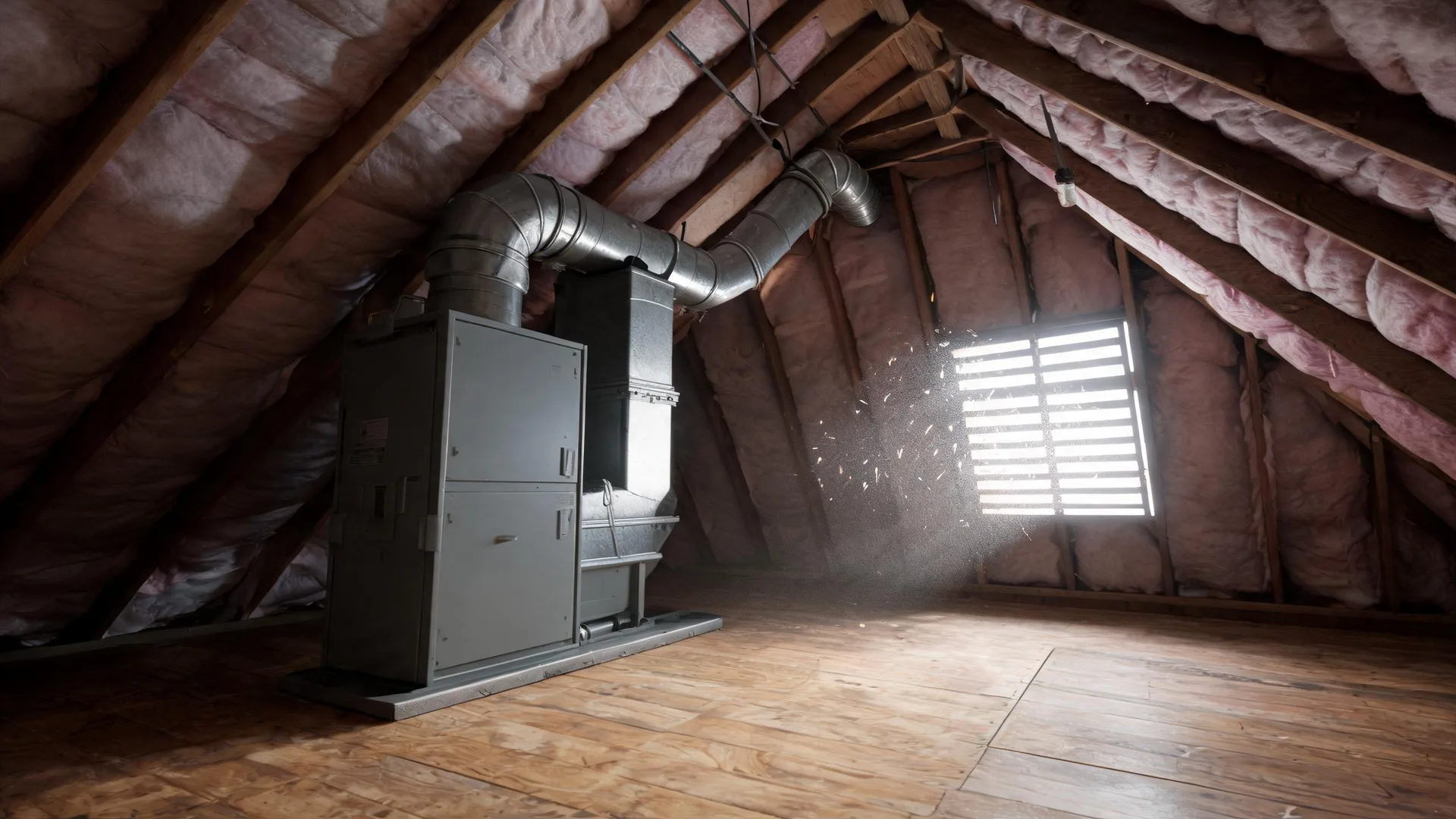
A real tune-up means hands on the unit, not a walk-around. The tech pulls the panel and checks the contactor for pitting, since that part switches the compressor on every single cycle and wears a little each time. The blower gets checked too, not just the outside unit, because a dirty blower wheel or a clogged filter cuts airflow across the evaporator coil and can ice it over even on a hot day. Drain line gets checked for algae and clogs, since a blocked line backs up and spills water wherever the air handler sits. Electrical connections get tightened, because a loose connection generates heat on its own and can burn a wire or a terminal over time. None of this shows up from outside the cabinet. It only shows up when someone opens it and looks.