
Mini Split Installation in Illinois
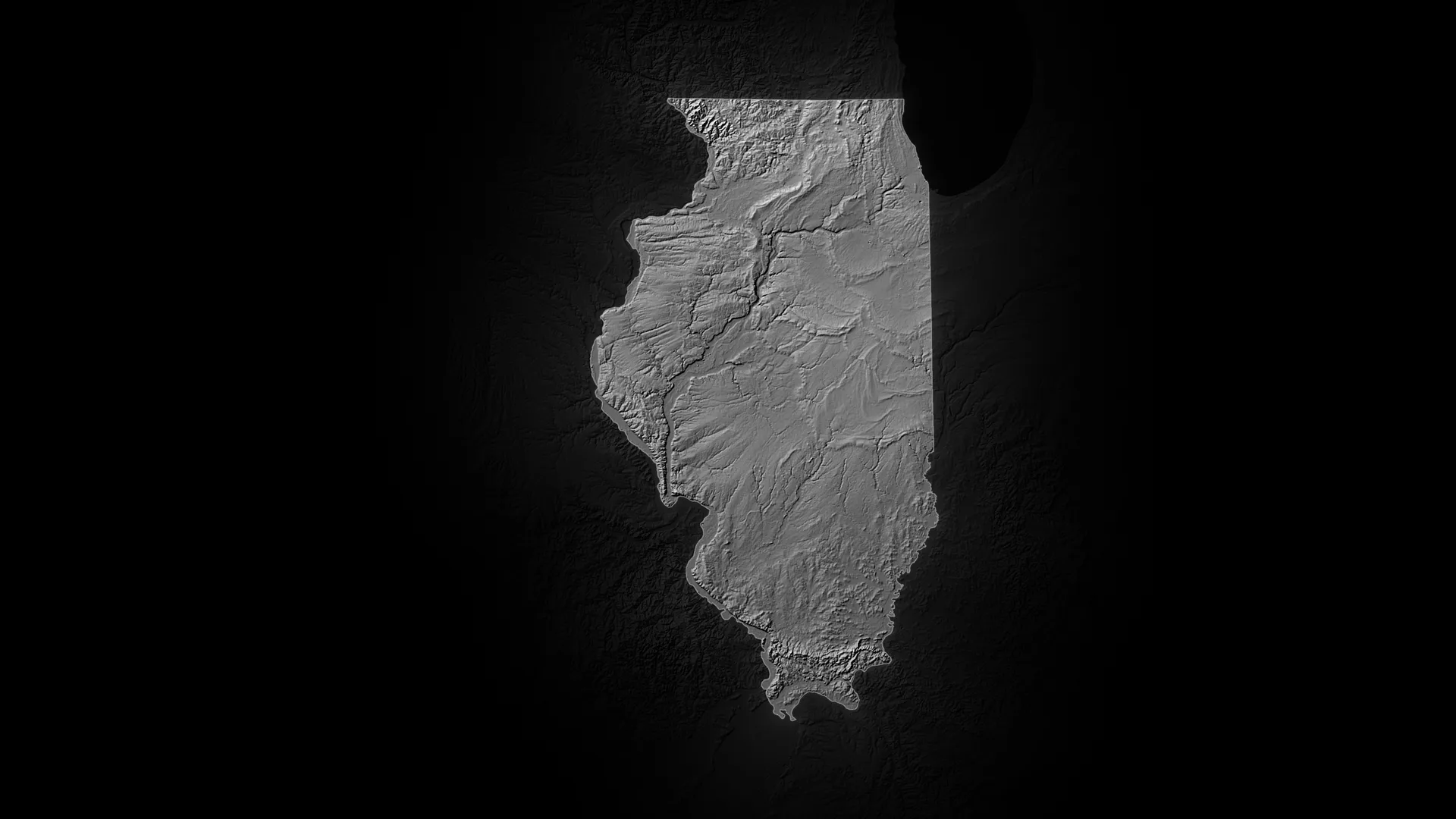
Homes in Illinois are older than in 42 of the other 49 states.
Tell us about the job
Takes about a minute. No obligation.
- 83°Fsummer afternoon high where people live
- 3 monthsof cooling, June through August
- 20°Fwinter overnight low where people live
- 8 monthsof heat, October through May
Storms hit Illinois harder than most states Outages follow, often for a day or more
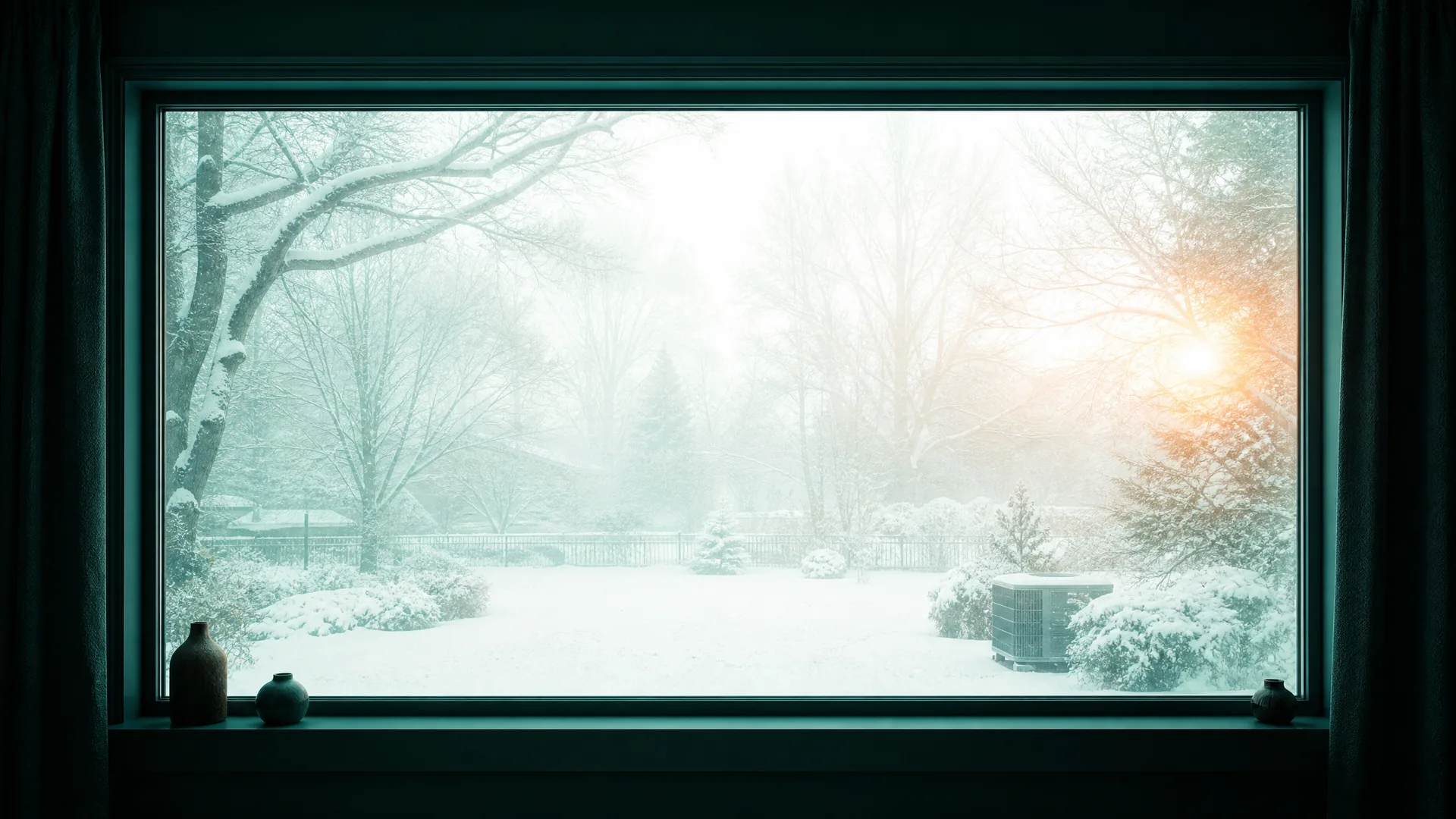
- Southern counties need about 30% more cooling than northern ones
- Summer afternoons average 83°F where people live
- Winter nights average 20°F where people live
- Cooling runs June through August
- 7,387 damaging wind events from 2015 to 2024
- 16% of homes lost power a day or more in 2024
Illinois homes are older than most, and that shapes the install
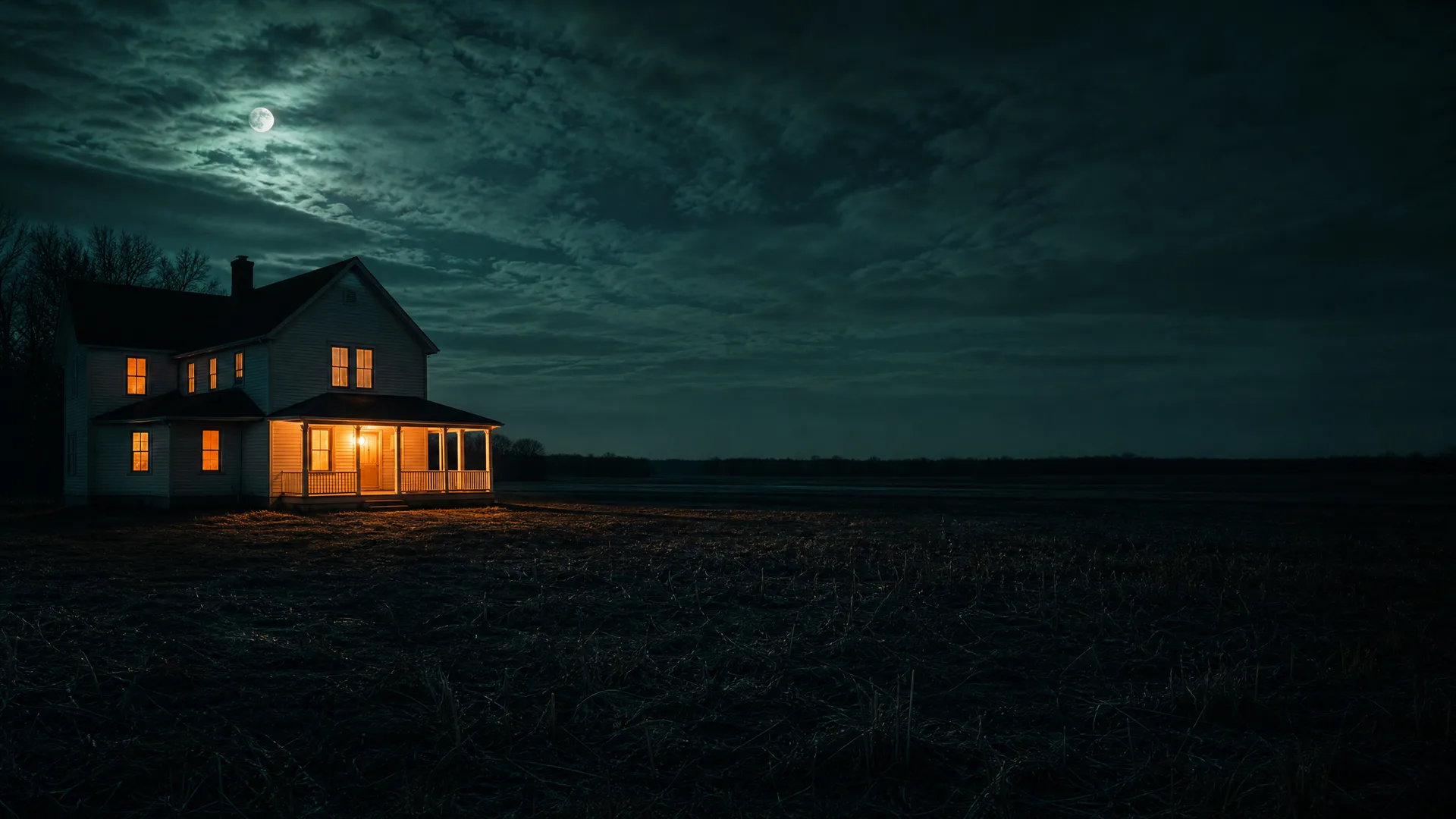
Half the homes in Illinois were built in 1971 or earlier. That puts the state's housing stock among the oldest in the country, and most of it is detached or attached single-family houses, the kind where a mini split goes in room by room rather than through existing ductwork. An older house usually means the electrical panel and the wall layouts were never planned with a mini split in mind. Whoever installs one has to work with the walls, the panel and the rooms as they actually are, not as a new build would have them. Get that fit right and the system keeps up with the room it's heating or cooling. Get it wrong and the unit struggles, especially once power comes back after an outage and the house has already drifted cold or hot.
Cooling here runs June through August, about three months a year, less than in most states. May is the month to get a mini split installed, before the first hot stretch hits. Do it then and you are not waiting on a contractor's schedule once the heat has already settled in.
An install finished in May also has time to get checked over before summer puts real load on it. If a line set or a head needs adjusting, that happens on a slow week in spring, not during an outage in August when every contractor in the state is getting the same call.
A standard mini split handles Illinois summers fine
Summers here are mild by comparison, afternoons averaging 83°F against hotter stretches in most of the country. That's why a standard size unit, sized for the rooms it serves, does the job. There's no case here for oversizing a system to fight heat that this state mostly doesn't get. The bigger question is the panel and the wiring it ties into. A mini split that's sized right still needs a circuit that can hold it, and in an older home that's the thing worth checking before anything gets mounted on a wall.
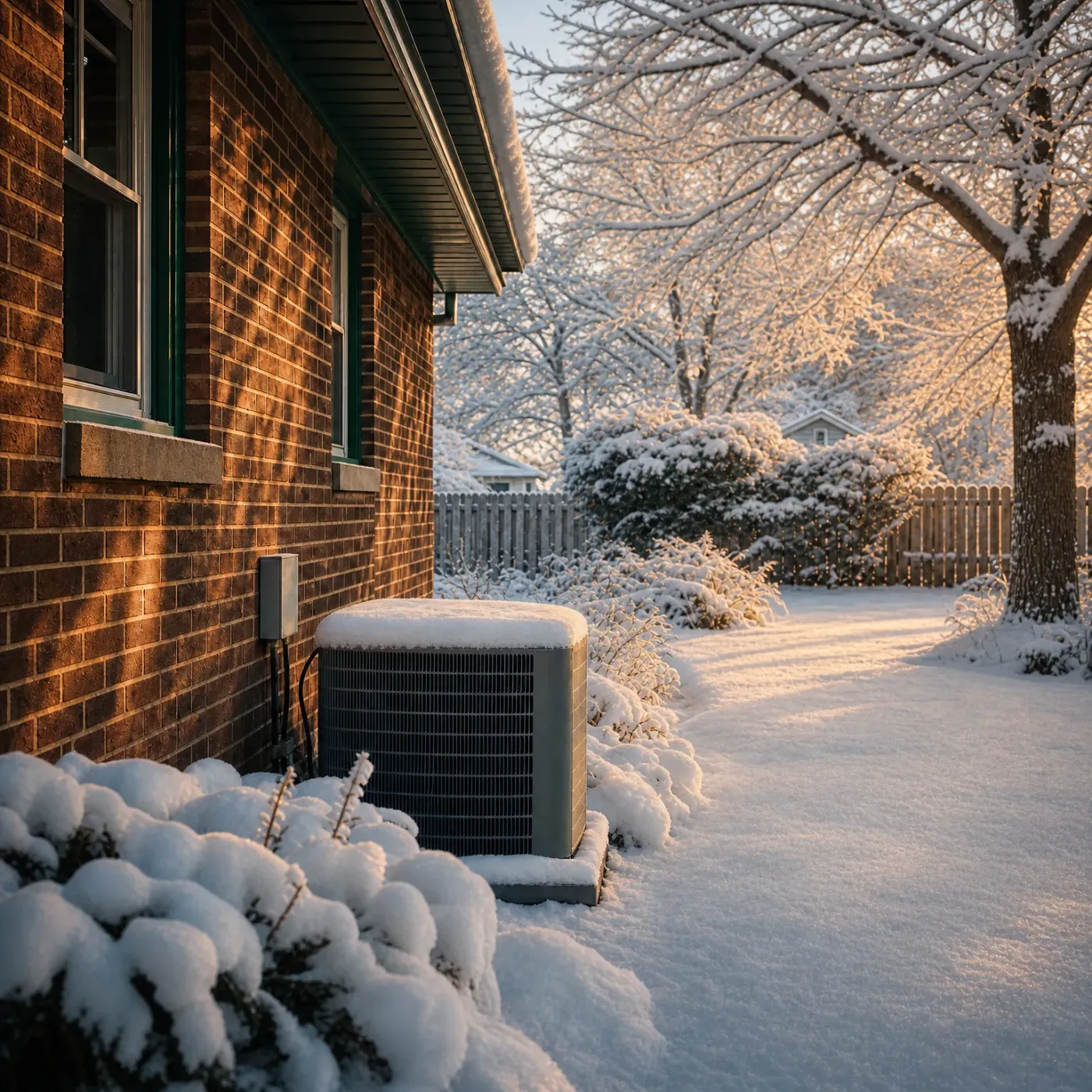
3 months of cooling, June through August
8 months of heat, October through May
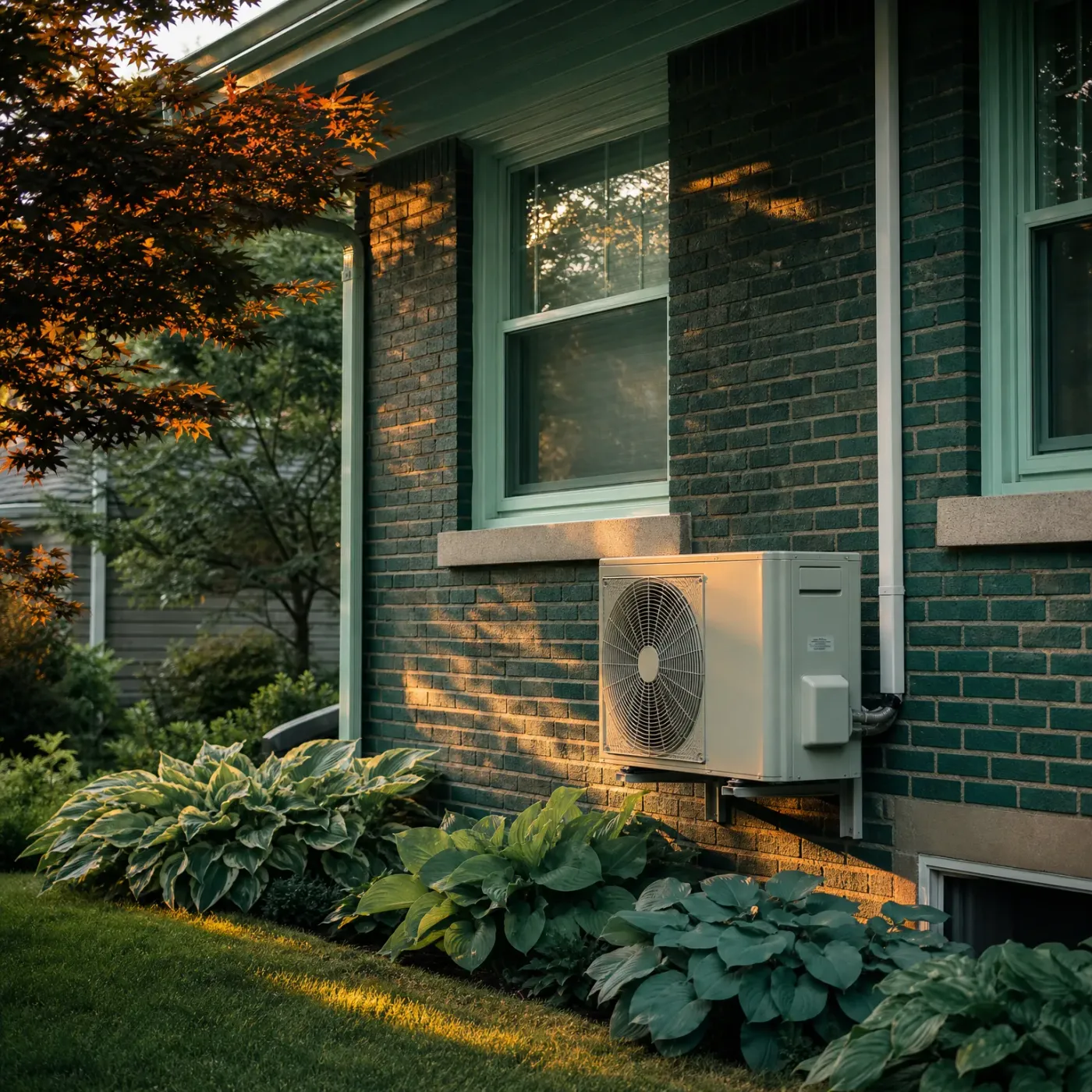
Illinois's southern counties need about 30% more cooling over a year than its northern counties. Massac County needs about twice as much as McHenry County, where the cooling need is lowest in the state. That's the gap a mini split has to answer for, not some statewide average.
Summer afternoons average 88°F in Alexander County, down in the southern tip, against 81°F up in Lake County. A unit sized for a room in one part of the state is not sized right for the same room in the other.
Madison County runs cooling about five months a year, the longest stretch in the state. Cook County runs it about three. That difference is about how much use the system gets, not just how hot it gets on a given afternoon.
None of this makes Illinois hot next to the rest of the country. Homes here run cooling for fewer months than in most other states, and summer afternoons run milder too. The sizing question in Illinois is about where in the state the house sits, not how the state stacks up against hotter ones.
Storm exposure doesn't split the same way heat does. Illinois has seen damaging wind and hail far more often than most other states, and that risk sits over the whole state, not just the hotter southern counties.
What does a mini split in Illinois face?
How hot do summer afternoons get?
83°Faverage afternoon high where people live
Alaska66°F
Arizona101°F
How cold do winter nights get?
20°Faverage overnight low where people live
North Dakota4°F
Hawaii65°F
How many months does the cooling run?
3 monthsof cooling a year
Alaska0 months
Hawaii12 months
What does electricity cost?
15.87¢per kWh (kilowatt hours, the unit on an electric bill), what homes paid in 2024
North Dakota11.51¢
Hawaii42.86¢
How often do storms hit?
448severe weather events per county from 2015 to 2024
Alaska5
Wyoming1,057
How many homes lost power for a day or more?
16%of homes in 2024
Arizona7%
Maine54%
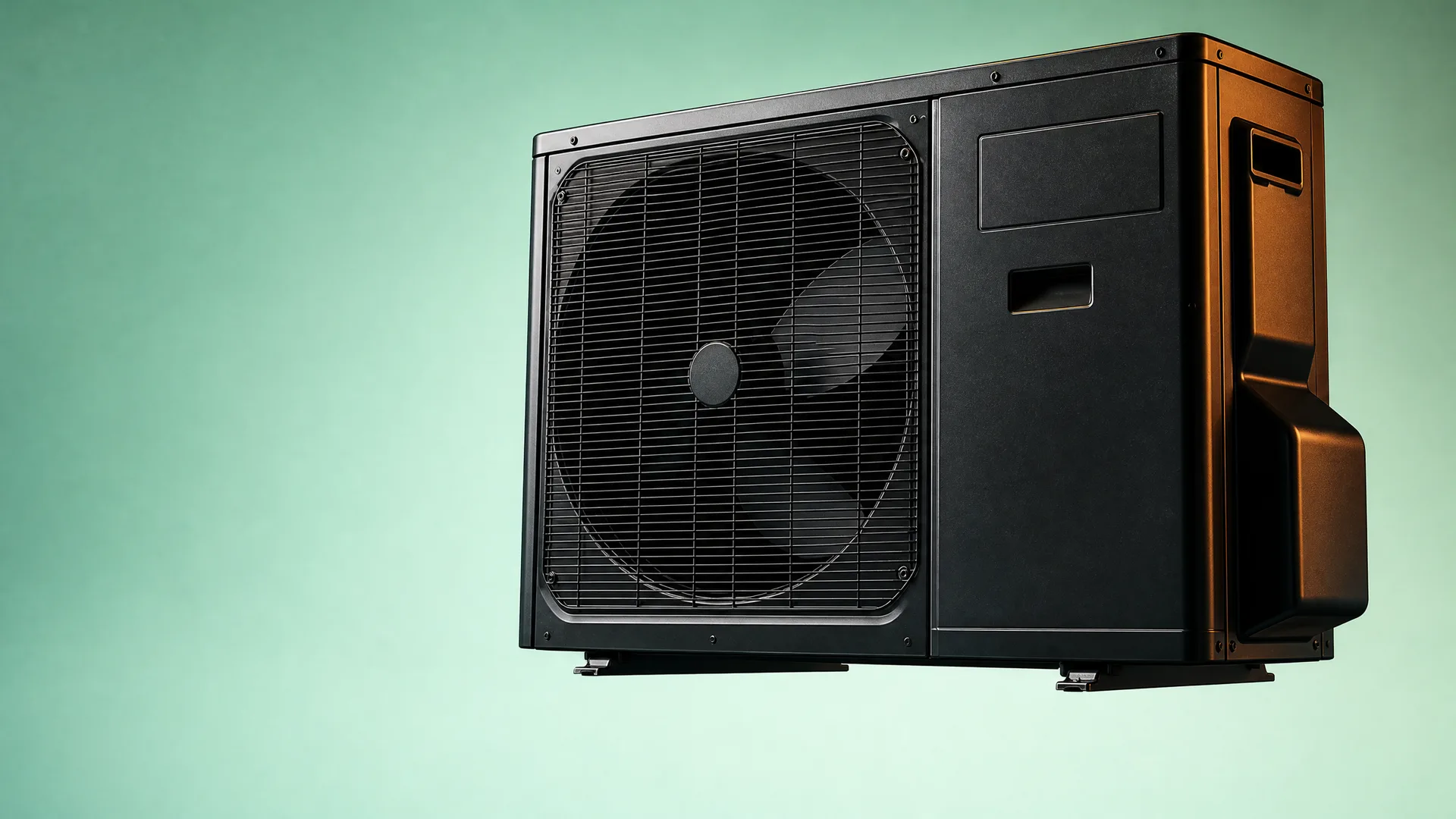
Power costs more here, so efficiency matters more here
Electricity in Illinois runs 15.87 cents per kilowatt-hour, more than in 32 other states. A mini split earns that back by moving heat instead of generating it, which takes less power than a furnace or a baseboard unit for the same room. Illinois homes that use air conditioning put real money into that each summer, and a unit sized and installed right keeps that cost down for as long as it runs.
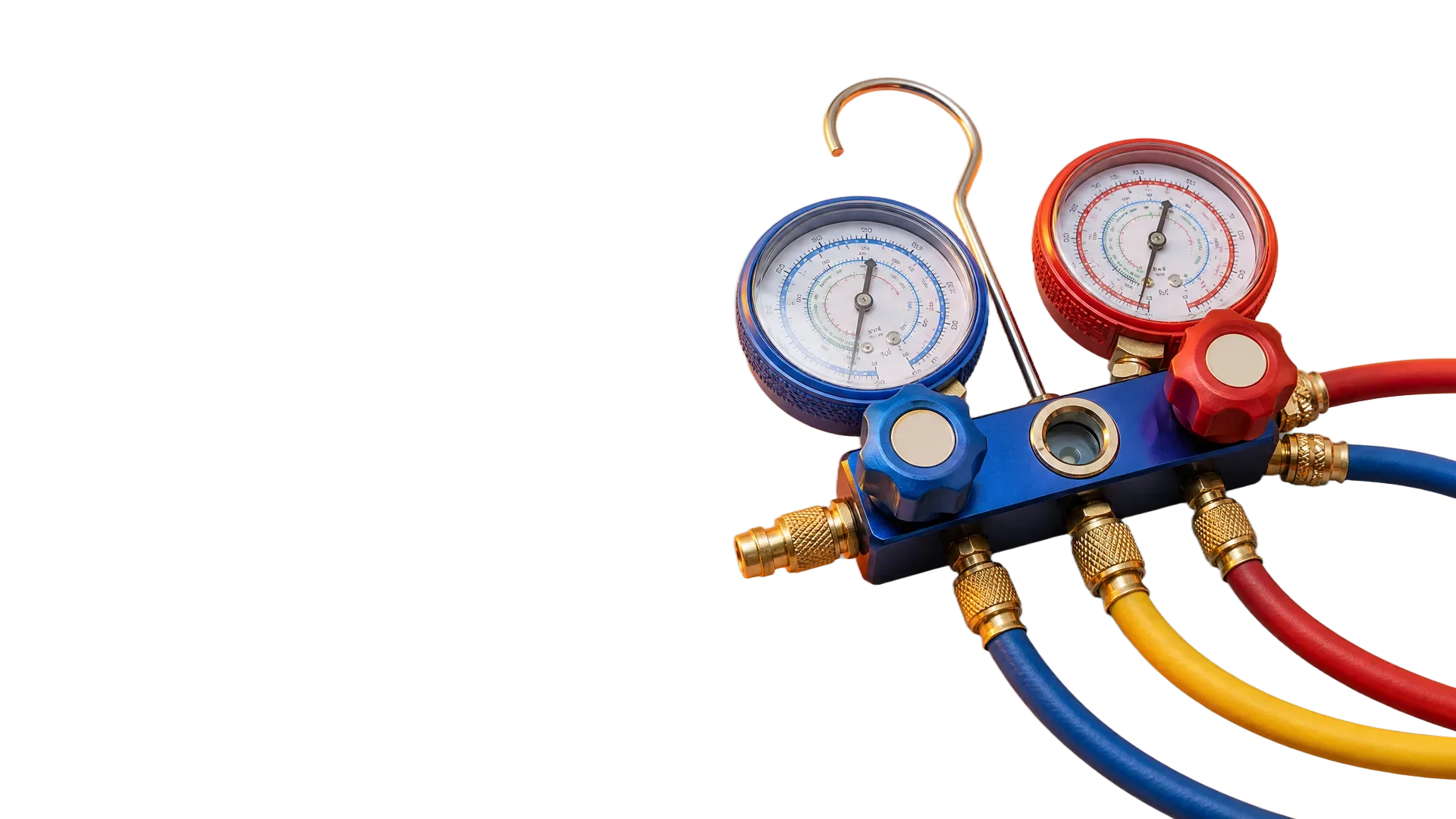
Getting the size right
Sizing a mini split means matching the head to the room, not the room to the catalog. A tech works out capacity by looking at the room itself. Square footage matters, but so does ceiling height, how many windows it has, and which way they face. A room with a lot of glass facing west takes on more heat in the afternoon than a windowless room the same size. Insulation matters too. A room that holds heat well needs less capacity than one that leaks it out through old walls or a thin ceiling. Get the size too big and the unit cools the air fast, shuts off, then starts again a few minutes later. That short cycling wears on the compressor, and the room ends up with cold spots and warm spots because the system never runs long enough to even things out. Get the size too small and it runs constantly during the hottest stretches, struggling to hold the temperature and still falling short. Neither mistake shows up right away. A unit that's slightly wrong can seem fine in mild weather and only shows the problem once the room gets a real test. That's why sizing gets worked out room by room before anything goes on the wall.
Most homes here run on gas, not electric heat
Gas heats 75.3% of homes in Illinois, more than any other fuel here. That's the fuel most furnaces run on, and it's why a mini split in this state usually goes in alongside the furnace rather than replacing it. The furnace keeps handling the coldest stretches, and the mini split takes over cooling in summer, with room to cover the in-between months when it's cool enough to want heat but not cold enough to run the furnace for it. That setup still needs a circuit that can carry the load, the same panel question that comes up in older homes here regardless of what heats them now.
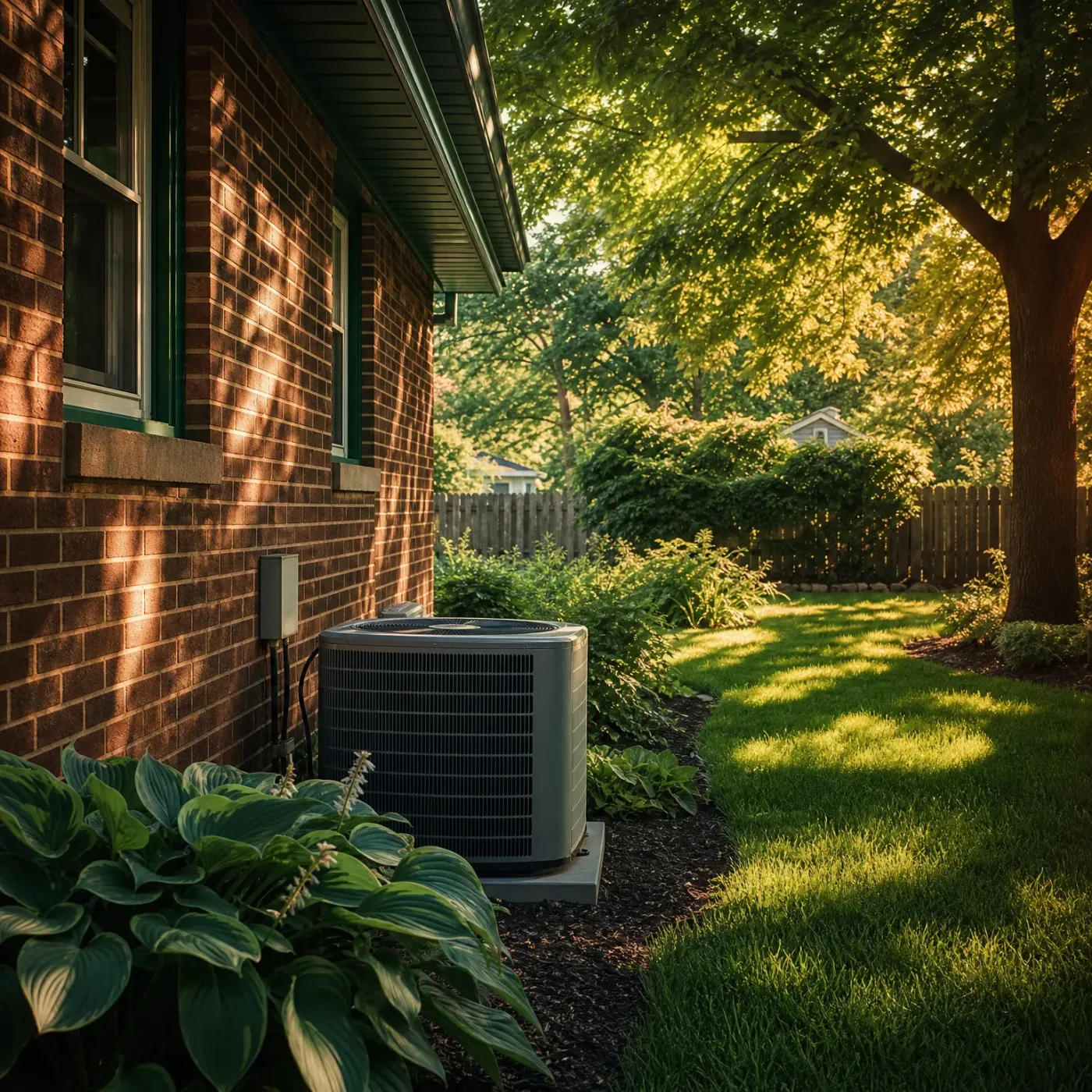
Storms here are frequent enough that outdoor unit placement and protection matter as much as the install.
Tell us about the job
Takes about a minute. No obligation.
Fill out the form and a licensed Illinois contractor reaches out to go over sizing and placement for your home.