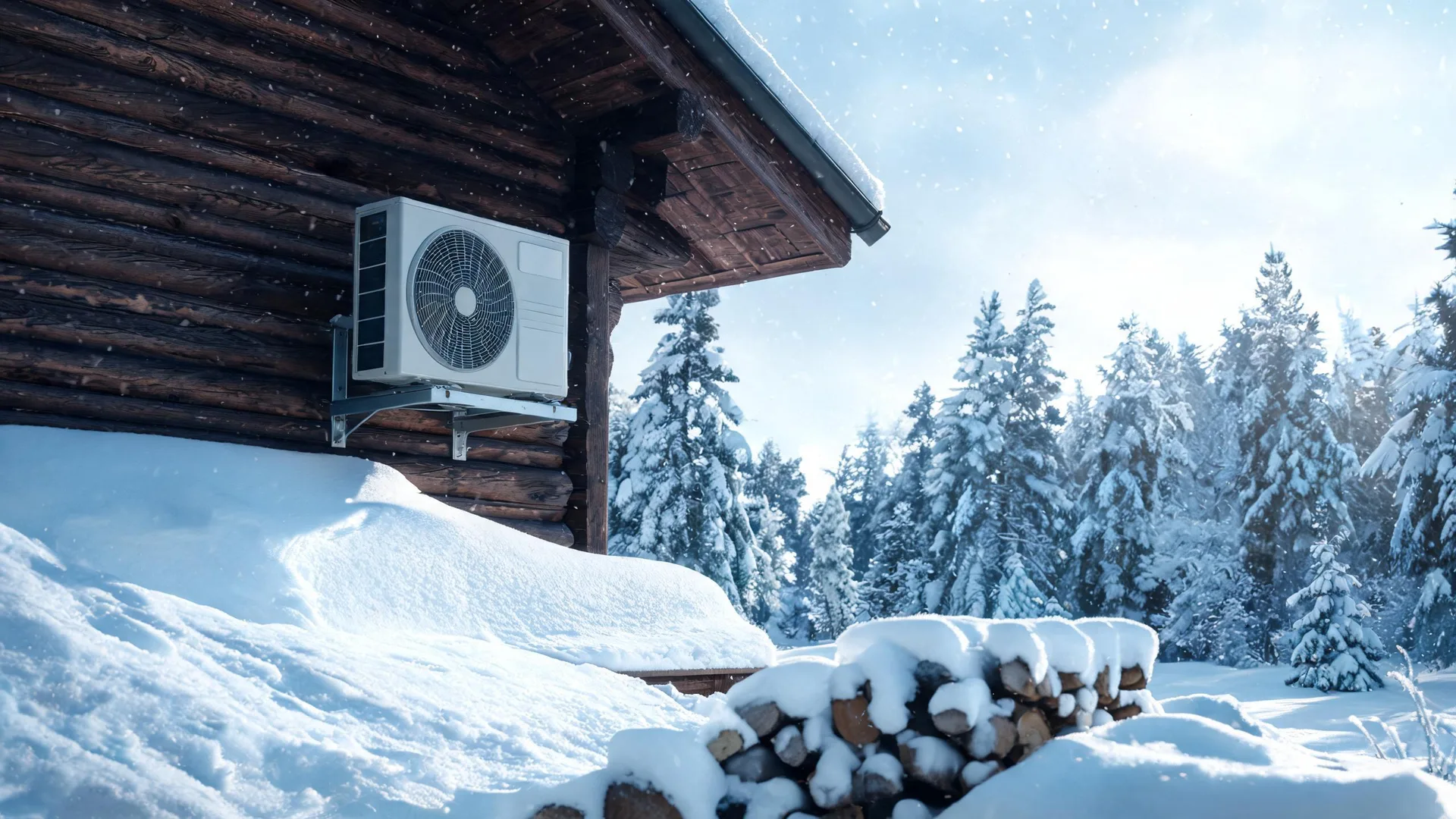
Storms come through often here
Vermilion County recorded 250 severe weather events between 2015 and 2024, including 163 damaging wind events, 70 hail events, and 9 tornadoes. Seven winter storms with heavy snow and ice hit the same stretch.
Takes about a minute. No obligation.
Vermilion County recorded 250 severe weather events between 2015 and 2024, including 163 damaging wind events, 70 hail events, and 9 tornadoes. Seven winter storms with heavy snow and ice hit the same stretch.
16% of Illinois households went at least 24 hours without power in 2024. A mini split depends on electricity to run, so an outage long enough to notice means no heat from it and no cooling until the power is back.
NOAA nClimDiv, 1991–2020 normals
Cooling runs June through September here, so May is the month to get a mini split in.
Install it before the first hot week and it's ready to run, not something being figured out mid-breakdown.



Electricity in Vermilion County runs 17.81 cents per kilowatt hour, more than most US counties pay. A mini split still earns that back over a system that burns fuel to make heat instead of moving it, but the rate here shapes what it costs to run either way. That makes the efficiency rating on the unit worth more attention in Danville than it would be somewhere power is cheap. A lower-rated system and a higher-rated one can cool the same room, and the gap between them shows up on every bill, all summer. Ask what SEER2 rating comes with the system before it goes in, not after.
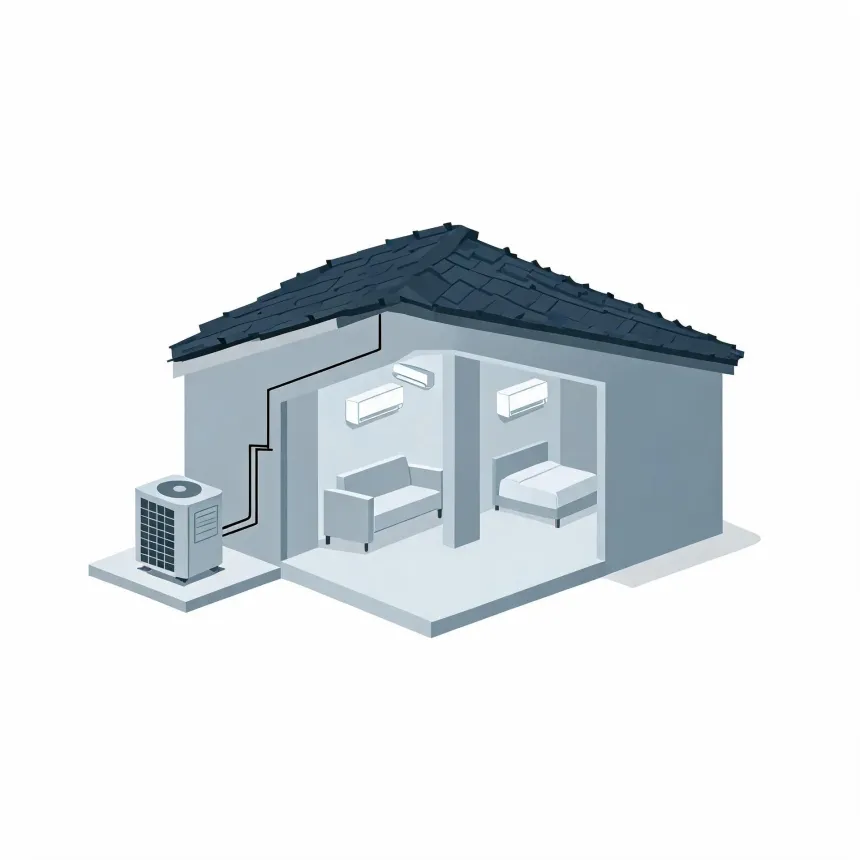
Where the outdoor unit sits and what protects it from wind and hail are decisions made at install, not after a storm. If the mini split is your main source of heat or cooling, it's worth asking the contractor what a long outage means for your setup before the crew is on site.
Find a contractorHalf the homes in Vermilion County were built in 1957 or earlier. A house that age wasn't built with a mini split in mind, and whatever heating or cooling it has now has likely already been swapped out at least once. Fitting a new system into a house like that means working with the walls, the wiring and the layout as they actually are, not as a new build would have them. That's a job for the contractor doing the install to look at directly, room by room.
Every mini split has a low ambient limit where the compressor stops protecting itself and starts struggling to run. Some units handle deep cold better than others, and that spec rarely shows up on the price sheet unless you ask for it directly. If the system is meant to carry real heating load, this number matters as much as the cooling rating does.
Two installs can put the indoor and outdoor units in the same spots and still differ in how the refrigerant lines, drain, and electrical run between them. A line set that's too long, bent too sharply, or poorly insulated costs efficiency for the life of the system. Get this explained before install, since once the wall is closed up, nobody's checking it again without opening it back up.
SEER2 is the efficiency rating on the label, and it tells you how much cooling the system delivers for the electricity it uses, nothing more. A higher number means the compressor is doing more with less, cycling smarter instead of just running flat out. It isn't a measure of how cold the system can get a room or how fast, and a high rating on a system sized wrong for the space won't save you from either problem. The number also assumes the line set, the airflow and the install itself are all done right, since a sloppy install drags the real efficiency below what the label promised. Two units can carry the same rating and still perform differently once the compressor has to work through a long stretch of heat or cold, which is why the rating is a starting point for comparison, not a guarantee of what you'll see.
Gas heats just over half the homes in Vermilion County, electricity heats about a third, and the rest run on propane. If your house is in that first group, the mini split isn't replacing your furnace. It's taking over cooling, and maybe handling the shoulder months in spring and fall. That's a different job than sizing a system to carry the whole winter, and it's worth saying plainly to the contractor doing the install. If your home is already electric, the mini split may be doing more of the heating load, and that changes what capacity and low-temperature rating actually matter for your setup. Either way, what's heating the house now is the starting point for what the new system needs to do.