
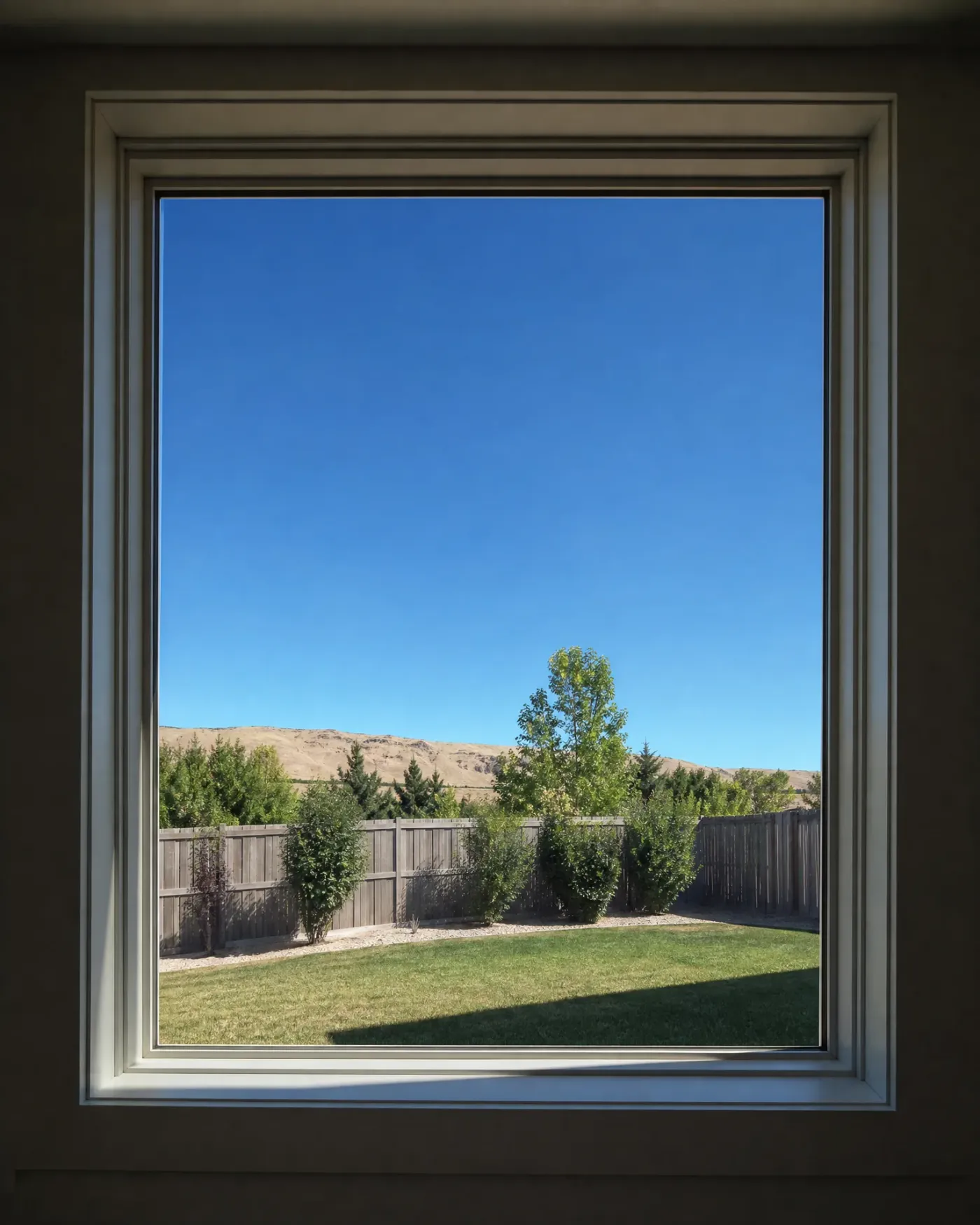
Running clean on the wall
A mini split that was sized right keeps the wall around it clean and dry. No staining, no streaking, just quiet heating and cooling pulling its weight through a Chicago winter and a sticky Cook County summer.
A mini split is worth it in Chicago if you size and install it for how cold it actually gets here. Most mini splits are heat pumps, and heat pumps lose capacity as the outdoor temperature drops. Chicago winters push well below freezing for weeks at a time, so a mini split sized only for cooling, or installed without checking its low-temperature output, will fall behind on the coldest nights. The ones that hold up here are cold-climate models rated to keep producing heat near 0 degrees, matched to the room they're heating. Done that way, a mini split handles the muggy summer stretch well and takes the load off the rest of the house in winter. Done wrong, you end up running backup heat more than you expected. The answer depends less on the brand and more on whether the install accounted for a Cook County winter.

A mini split that was sized right keeps the wall around it clean and dry. No staining, no streaking, just quiet heating and cooling pulling its weight through a Chicago winter and a sticky Cook County summer.

Dust caked on the housing and a dark stain spreading up the wall point to a coil that stays wet or a drain that isn't keeping up. Left alone, that moisture works into the wall behind it.




A mini split's outdoor compressor does not just switch on and off. It changes speed to match the heat the room is losing right then, which is why it can hold a steady temperature instead of swinging. Every heat pump loses some of its capacity as the air outside gets colder, and in Cook County that drop matters. A cold climate model uses a compressor and refrigerant built to keep pulling heat out of the air even when it is in the single digits outside. Indoors, each head only pulls air across its own coil, so it heats and cools the room it is mounted in, not the rest of the house. The line set running between the outdoor unit and each head carries the refrigerant, and a contractor sizes that run to fit the house. On the coldest nights, a lot of systems lean on a backup heat strip or the home's furnace to carry the load the compressor alone cannot.


Cooling runs June through August
Cooling runs June through August. Three months of sticky weather where a mini split has to keep up with Cook County humidity, not just temperature.
Heat runs October through May
Heat runs October through May. That's eight months where a mini split, not a furnace, may be carrying most of your heating load.
Power here costs 18.08 cents per kilowatt-hour
Power here costs 18.08 cents per kilowatt-hour. Every month a mini split runs on electricity instead of gas, that rate is what decides the bill.
NOAA nClimDiv 1991-2020 · EIA-861 2025
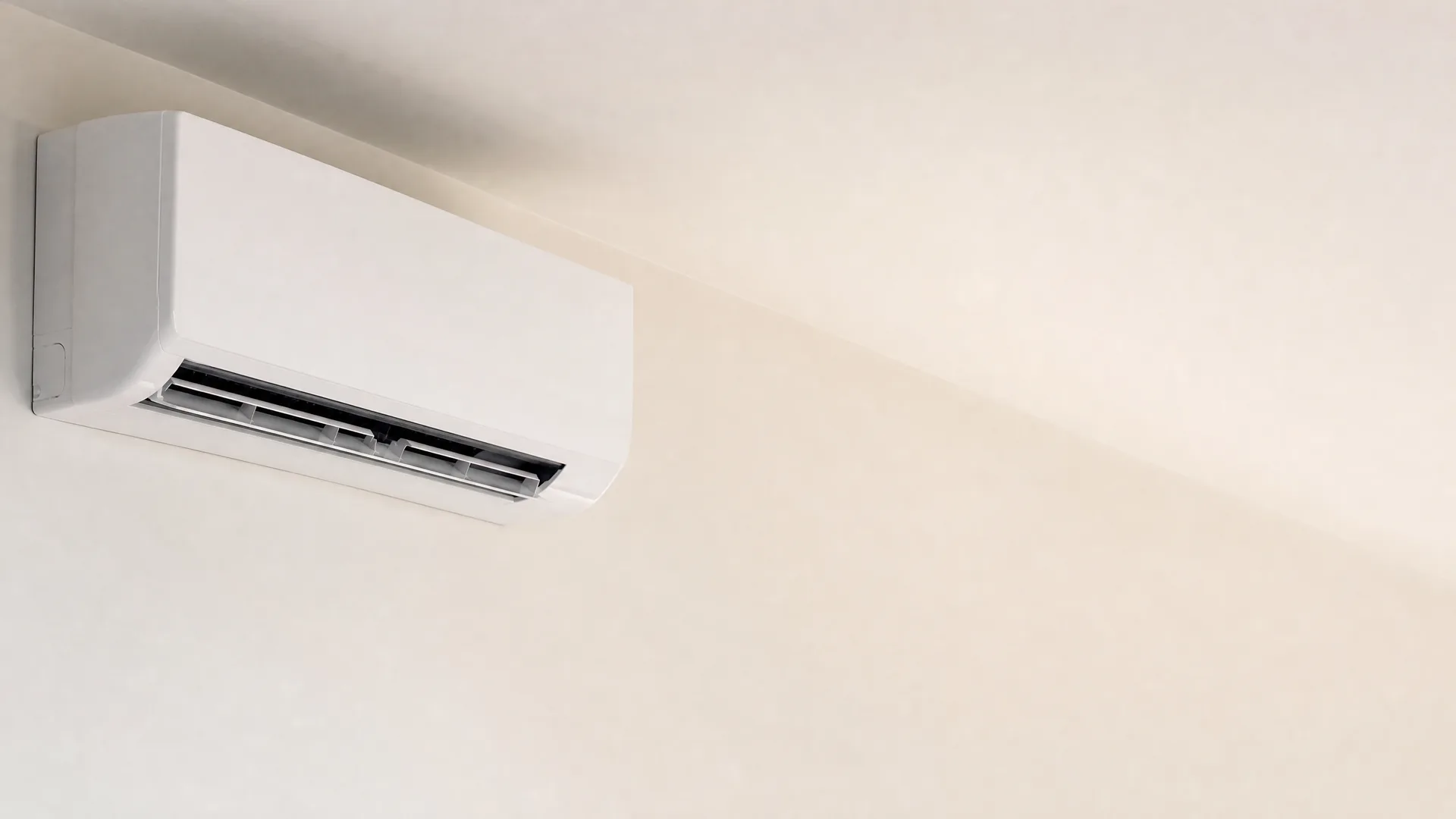
A standard heat pump loses much of its capacity once the outdoor air drops into the teens. A cold-climate mini split uses a compressor and coil built to keep pulling heat from air that cold, and the spec sheet will show its output at 5 degrees, not just at 47. That number is what tells you whether it can carry a Cook County January on its own or needs backup.
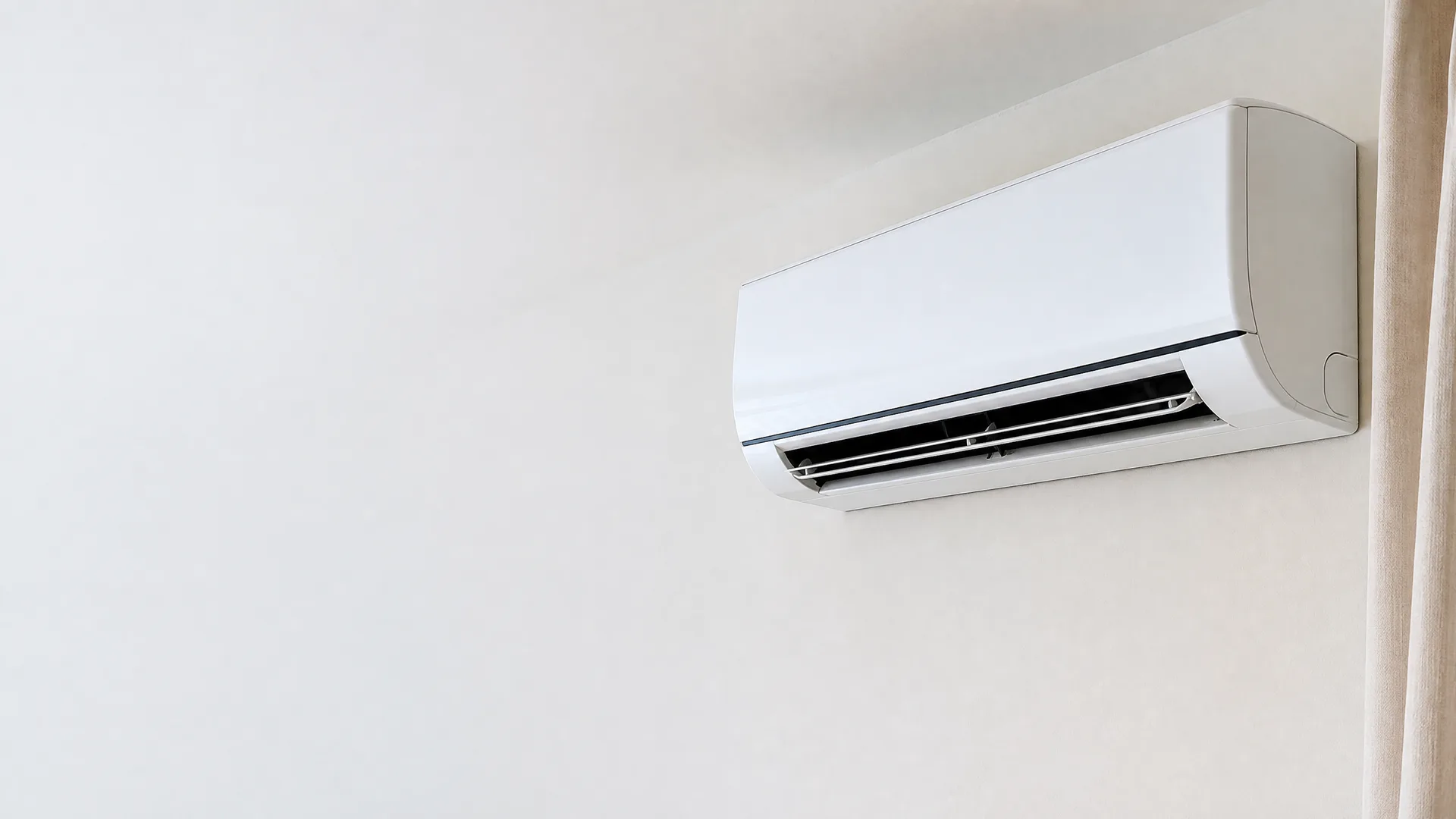
The refrigerant lines running between the outdoor unit and the indoor head have to be sized, charged, and insulated correctly for the distance they run. A line set that's too long for its charge, or poorly insulated where it crosses an unheated space, loses capacity before the air ever reaches the room. This is routine work for someone who installs these regularly, and it's easy to get wrong otherwise.


A mini split earns its keep in Chicago when the sizing matches the house and the install accounts for what January actually does to a heat pump. Get either wrong and you end up running a backup heat source half the winter, or cooling a room unevenly through a humid July. Figuring that out yourself means calling around to contractors, explaining your layout and your existing furnace setup each time, then trying to compare quotes that aren't even measuring the same job. A contractor who installs these regularly in Cook County knows what a cold-climate unit needs to hold its rating here and how to size it against your actual rooms, not a rule of thumb. That's the work worth handing off, especially before another winter or another sticky summer makes the gap in your current setup obvious again.
Indoor head pulls warm room air across its coil and sensor.
Refrigerant inside the coil absorbs that heat and turns to gas.
The outdoor compressor squeezes the gas, raising its temperature further.
Outdoor coil dumps that heat outside, even in cold air.


You might notice the indoor head blowing air that feels cooler than it should, or running nonstop without the room ever quite catching up. Maybe the outdoor unit is caked in frost and the house feels colder by the window where it's mounted. That's what an undersized unit or a unit without cold-climate specs does once temperatures drop into the teens or lower, which happens for weeks most winters in Cook County. Left alone, you end up leaning on space heaters or a furnace that wasn't meant to carry the whole load, and your bill climbs with it. A system that was sized for the house and rated for this cold shouldn't leave you guessing which rooms will stay warm.

Cook County summers average a 62°F dew point across June, July and August, according to NOAA climate data. That's heavy, sticky air, the kind that sits on your skin even after the thermostat says the room has cooled. A mini split has to wring that moisture out of the air, not just drop the temperature, and a unit sized only for heat load will cool the room while the air still feels damp. You'd notice it as a clammy feel near the vents or a room that reads comfortable on the thermostat but doesn't feel it. Sizing for this dew point, not just for degrees, is what keeps that from happening.
NASA POWER T2MDEW

That's the answer. A mini split sized for Chicago winters, installed with the full cold-climate lineup, and matched to your rooms earns its keep through both the sticky months and the hard ones. Sized wrong or installed without accounting for January, and you're running a backup heater half the winter while paying for a system that can't do the job alone.
Where you stand now depends on details specific to your house: how many rooms you're trying to cover, what your walls and windows are doing to heat loss, whether one outdoor unit can carry the load or you need more than one. That's not something to work out on your own by calling around and repeating your situation to every contractor in Cook County. Getting matched with one who already knows what a Chicago winter does to a heat pump, and having them reach out to look at your specific house, is the next step from here.

One form replaces the calls you'd make to find a mini split pro.
Asking costs nothing, and the choice to hire stays yours.