Mini split not heating in Rockford, IL

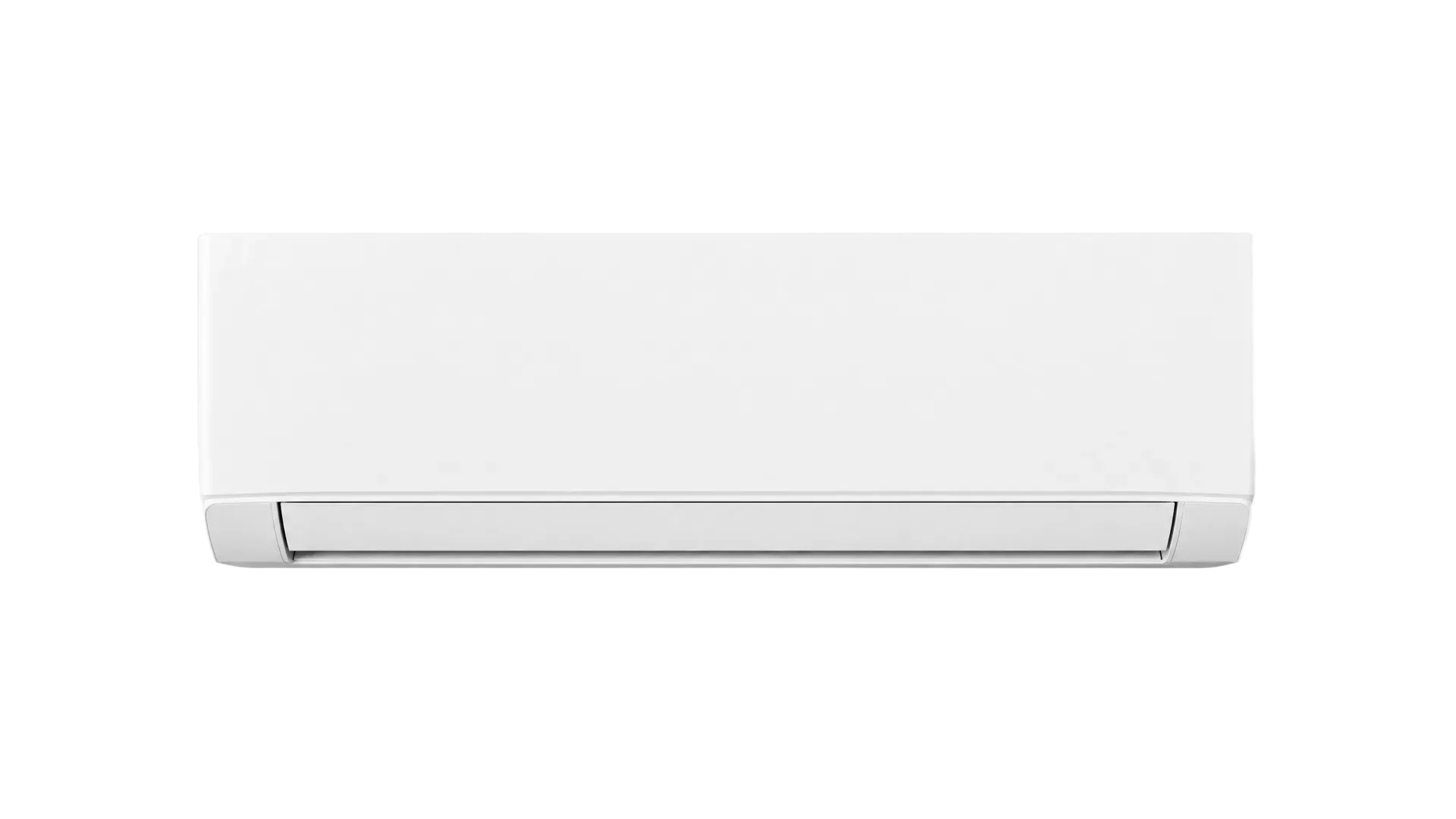
A white wall-mounted mini-split air conditioner indoor unit shown straight-on against a plain light gray background.
Find my pro

A mini split that won't heat in cold weather is usually fighting ice. Below freezing, frost builds up on the outdoor unit's coil, and the system is supposed to run a defrost cycle to melt it off before it can push warm air again. In Rockford winters, with stretches well below zero, that cycle can fall behind, or the sensor that triggers it can fail, and the unit just keeps blowing cold or stops blowing anything at all. A clogged outdoor coil, a low refrigerant charge, or a stuck reversing valve cause the same thing and feel the same way to you standing in front of the indoor head. Some mini splits also have a real limit on how cold it can get outside before they stop heating effectively, and if yours was undersized for a Rockford winter, this might be the first season it shows. Either way, it's not something to leave running all night hoping it catches up.

Why does a mini split working this hard still leave you cold?

  • Cooling runs June through August

    October through May is eight months of asking your mini split to beat freezing air, which means eight months where a struggling defrost cycle shows up as a cold house.

  • Heat runs October through May

    With heat running most of the year, a unit that can't keep up doesn't get much of a break to show it's failing before you need it most.

  • Power here costs 17.89 cents per kilowatt-hour

    At 17.89 cents per kilowatt-hour, a mini split running constantly to fight ice it can't clear costs you more for less heat.

NOAA nClimDiv 1991-2020 · EIA-861 2025

The unit is icing over outside

Go look at the outdoor unit. If the coil is coated in frost or solid ice instead of running a normal defrost cycle, it's stuck trying to heat through ice that won't melt off. A little frost in a Rockford winter is normal. A thick, solid coat that never clears means the defrost cycle isn't kicking in, or the system is low on refrigerant and can't generate enough heat to melt it. Either way, the indoor air stays cold no matter how long the unit runs.


The outdoor unit looks clear

If the coil outside is clean and free of ice, the problem is probably somewhere else. It could be a clogged indoor filter choking airflow, a failing sensor telling the system the room is warmer than it is, or the compressor itself struggling once outdoor temperatures drop hard. These issues don't show themselves the way ice does, so they're easy to miss from a quick look. A contractor who knows these units can narrow it down fast once you can rule out icing as the cause.

A bearded man in a blue and brown plaid flannel shirt stands indoors looking out a window at snow-covered trees, with a ceramic mug on the windowsill.
A man in a blue T-shirt sits on a light gray sofa, laughing while looking at an open laptop in the foreground, with a framed picture, lamp and potted plant behind him.

A mini split doesn't burn anything to make heat. It pulls warmth out of the outside air, even cold air, and moves it inside through refrigerant lines. The reversing valve is what lets it do this backward from how it cools, and when that valve sticks, the system can only blow cold air no matter what the thermostat says. As the temperature outside drops, the compressor has to work harder to pull the same amount of heat, and below a certain point most systems hand off to a backup heat strip or a furnace because the compressor alone can't keep up. Frost on the outdoor coil is part of normal operation in winter. The unit clears it with a short defrost cycle that reverses the flow again, which is why you might feel a pause in warm air for a few minutes at a time. If the refrigerant charge is low, the compressor runs longer to make less heat, and that's often where the ice problems start. Inside, the blower wheel still has to move that heated air into the room, so a weak fan can make a perfectly good coil feel like it isn't working at all.

How a mini split makes heat

  • A mini split heats by pulling warmth out of outside air, so the outdoor unit works harder as the temperature drops toward zero.
  • The reversing valve switches the refrigerant flow so the indoor coil gives off heat instead of absorbing it, and a stuck valve leaves you running air conditioning in January.
  • Defrost mode briefly reverses that cycle again to melt coil frost, which is why warm air can pause for a few minutes during a cold snap.
  • Most systems rely on a backup heat strip or a secondary furnace once the outdoor air drops below the point the compressor can handle alone.
  • A refrigerant line that's low on charge forces the compressor to run longer for less heat, and eventually ice forms where it shouldn't.
  • The indoor head only moves the warm air a fan motor and blower wheel push through it, so a slow or failing blower shows up as weak heat even when the coil itself is fine.
A white wall-mounted mini-split indoor unit high on a beige interior wall, with a potted olive-like tree at right and an armchair and window visible through a doorway at left.
A clean mini split moves heat the way it's built to, with full airflow across the coil and nothing blocking the fins.
A wall-mounted mini-split air conditioner indoor unit with visible dust and staining, installed on a beige interior wall below white crown molding.
Dust packed into the vents and casing chokes airflow, and a mini split in this shape struggles to heat the room at all.
A dim room with a wall-mounted mini-split air conditioner above a water stain running down the gray wall to a towel on the wood floor, with a black shelving unit, a desk with a lamp and potted plant by a window, and an office chair at right.

It is early afternoon and you are at your desk trying to work, coat still on because the office never warmed up. You notice the wall under the indoor unit first, a dark streak running down from the casing, the paint gone soft and shiny. Then the towel someone put down days ago, already soaked through again. The air coming off the unit is barely warm. Outside, the Winnebago County cold has the coil working overtime, and whatever is going wrong in there has started coming out as water instead of heat. You stop typing and go find a drier towel, already thinking about who you'd even call for this.

Get matched with a mini split pro in Winnebago County

The pro who gets in touch is licensed in Illinois and works in Winnebago County.

No charge to send it. You decide if you hire them.

Why below zero changes everything

A mini split's output drops as the outside temperature drops, because there's simply less heat in the air to pull from. Most units lose a real share of their capacity once the air outside falls into the single digits, which is a normal night in Rockford more than once a winter. That's why a system that kept the house warm in November can fall behind in January without anything being broken. Some mini splits carry a separate low-temperature or base-pan heater built in for exactly this reason. If yours doesn't, or that heater has failed, ice and lost output show up first on the coldest nights, not the mild ones.

What a service call checks first

A technician working on a mini split that won't heat starts at the outdoor unit, because that's where cold-weather problems usually begin. The defrost sensor and board get checked first, since a bad sensor can leave the system thinking it never needs to defrost. Refrigerant charge comes next, measured against what the manufacturer specifies for that model, since a system low on charge heats worse exactly when it's coldest out. The reversing valve gets tested too. None of this takes guessing once someone is standing at the unit with gauges on it.

A woman in a cream cowl-neck sweater sits by a window with snow outside, in a dimly lit living room with a sofa, lit lamp, mirror, candles and a fireplace.
A woman in a gray turtleneck sweater sits beside a large window looking out at snow-covered evergreen trees, in a dimly lit living room with a lit fireplace, lamps, couch and houseplant.
A woman in a cream turtleneck sweater stands beside a large window with snow-covered ground and bare trees outside, in a dimly lit living room with lamps, a sofa and framed art.
A woman in a grey cowl-neck sweater stands indoors near a window, looking out at falling snow, with a lamp, framed picture and couch in the warmly lit room behind her.

How defrost mode actually works

  • The outdoor unit has a reversing valve that switches the refrigerant flow so the system can pull heat from outside air instead of dumping it there.
  • A sensor on the outdoor coil tells the control board when frost has built up enough to trigger a defrost cycle automatically.
  • During defrost, the indoor fan usually shuts off or slows way down so the system isn't blowing cold air into the room while the coil clears.
  • The compressor briefly reverses direction during defrost, sending hot gas to the outdoor coil to melt the ice from the inside out.
  • A full defrost cycle normally runs for a few minutes and ends on its own once a temperature sensor confirms the coil has warmed enough.
  • If the defrost sensor fails or the reversing valve sticks, the unit can either defrost too often or never trigger it at all.

The reversing valve is what makes a mini split able to heat at all. It flips the direction refrigerant flows through the system, so instead of carrying heat out of the house like an air conditioner, the outdoor coil absorbs heat from the cold air outside and sends it in. That process puts moisture on the outdoor coil, and below freezing, that moisture turns to frost. A sensor mounted on the coil watches for this and tells the control board when enough has built up to call for a defrost cycle. Once that cycle starts, the compressor briefly reverses again, pushing hot gas out to the outdoor coil to melt the ice from the inside rather than trying to blast it off from outside. While that happens, the indoor fan usually cuts off or drops to low, since the indoor coil is not producing heat during this stretch and blowing air across it would just push cold air into the room. A normal cycle runs a few minutes and ends on its own once a sensor confirms the coil is warm enough to go back to heating. The whole sequence depends on two things working correctly: the sensor reading the coil's temperature accurately and the reversing valve switching cleanly both directions. If either one sticks or fails, the system can get stuck defrosting too often, or never trigger the cycle when it should, and either way the house stops getting warm air.

A dusty, stained white wall-mounted mini-split air conditioner indoor unit installed high on a plain off-white interior wall near the ceiling.
Before you get your mini split repair
A white wall-mounted mini-split air conditioner unit installed high on a beige interior wall below white crown molding, with a window and woven shade at the left edge showing green foliage outside.
After you get your mini split repair
A two-story cream-colored house with horizontal siding and a gray hipped roof, flanked by large green trees and shrubs, with a concrete walkway crossing a lawn to a wet street in the foreground.

Summer here doesn't just feel warm, it feels wet. Winnebago County's summer dew point averages 61°F, according to NOAA, which is the sticky, heavy-air kind of humid. That matters for your mini split even outside of winter, because the indoor coil has to pull that moisture out of the air before the room feels comfortable, and a unit already worn down from a hard winter of icing and defrost cycles has less capacity left for that job. If cooling season feels weaker than it should, the strain usually started months earlier, in the cold your mini split was fighting to heat through.

NASA POWER T2MDEW

Why does the house feel cold even with the unit running

You hear the outdoor unit kick on, maybe even see steam coming off it, but the air out of the indoor head feels room temperature or barely warm. The thermostat says it's running, yet the room it's supposed to heat keeps losing ground against a Rockford morning. Some units cycle on and off more than usual, or blow cool air for a stretch before anything warm comes through. Left alone through a full winter, a mini split that can't keep up means space heaters running longer than they should, higher bills from equipment working without result, and rooms that stay cold enough to strain pipes nearby.

  1. The indoor thermostat calls for more heat in the room.

  2. The reversing valve shifts flow so the indoor coil heats.

  3. The outdoor coil pulls warmth out of the cold air.

  4. Compressed refrigerant carries that heat to the indoor coil.

A woman stands in the open doorway of a white stucco house holding the dark door, facing a man in a black cap and shirt seen from behind in the blurred foreground, with a potted flowering plant beside the entry.

A mini split stuck in a bad defrost cycle won't fix itself

A mini split that won't heat through a Rockford winter is telling you something specific. Ice on the coil, a reversing valve that won't shift, a defrost sensor that never trips, a filter packed with dust. Each one has a different fix, and none of them get better left alone through the rest of the season.

A contractor who works on these systems in Winnebago County every winter has seen most of what causes this. One visit from someone local who knows the equipment gets you a straight answer on which of these it is, instead of guessing through another cold week. You'll be matched with one contractor who takes on your situation, not a handful of companies competing for the job, and that contractor will reach out to you directly.

Interior corner of a dining room with a round wooden table, a ceramic vase holding olive branches, a dark spindle-back chair near a curtained window, and a sideboard with a lamp against beige walls.
A white wall-mounted mini-split air conditioner on a dark gray interior wall, with a flat screen at lower left and a green leafy plant at lower right.

Find a mini split repair pro in Winnebago County

RepairMini-splitWinnebago County, IL
Step 1 of 2

What ZIP code is the job in?