
Heat Pump Repair in Illinois
Homes in Illinois are older than in 42 of the other 49 states.
Tell us about the job
Takes about a minute. No obligation.
- 20°Fwinter overnight low where people live
- 8 monthsof heat, October through May
- 83°Fsummer afternoon high where people live
- 3 monthsof cooling, June through August
Illinois storms take a toll on outdoor units Hail and wind damage are worst in Cook County
- Southern counties need about 30% more cooling than northern ones
- Winter nights average 20°F where people live
- Summer afternoons average 83°F where people live
- Heat runs October through May
- Cooling runs June through August
- 1,125 winter storms from 2015 to 2024


Half of Illinois homes were built in 1971 or earlier

A heat pump that's struggling still pulls power the whole time it runs, whether it's actually warming the house or not. Illinois electricity ran 15.87 cents per kilowatthour in 2024, more than in 32 other states, so a unit short on refrigerant or working against a bad component isn't just slow to catch up. It's spending more to do it.
Air conditioning alone came to 5.1 million Btu (British thermal units, a measure of heat) of electricity a year in the average Illinois home that uses it. A heat pump covers both sides, cooling and heat, so it's drawing on that kind of load most of the year. If yours is running longer than it used to, or cycling more than it should, that shows up on the bill before it shows up as a breakdown.
In Illinois, this system barely gets a break between seasons
Heat pumps here work both sides of the year. Eight months of heating, October through May, then three months of cooling once summer comes. That's most of the year spent running, with only a short break in spring and fall. The split matters for service timing too. A unit that's been heating all winter is due for a look before it has to switch over and start cooling, and the same goes in reverse before the heat gets asked for again in the fall.
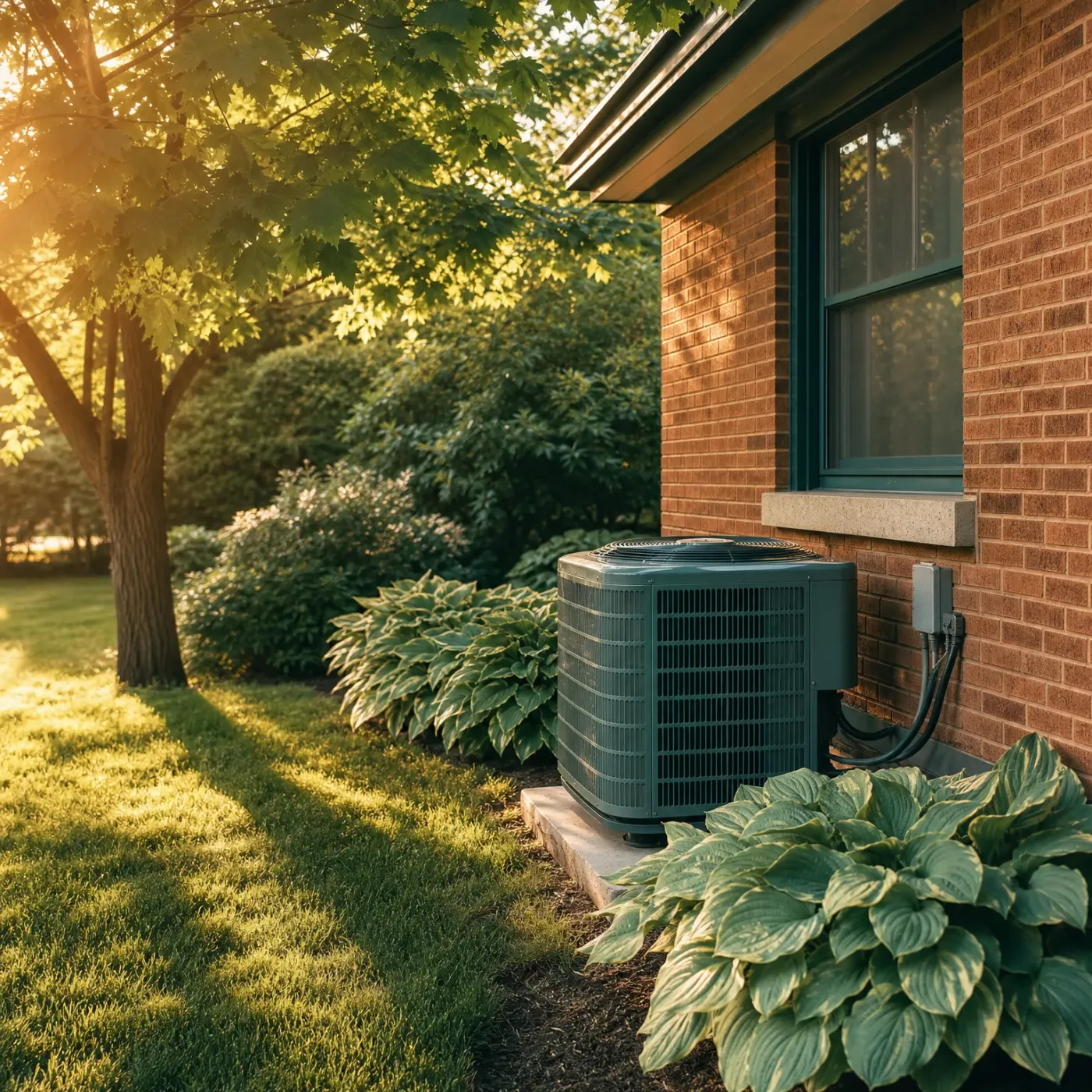
3 months of cooling, June through August
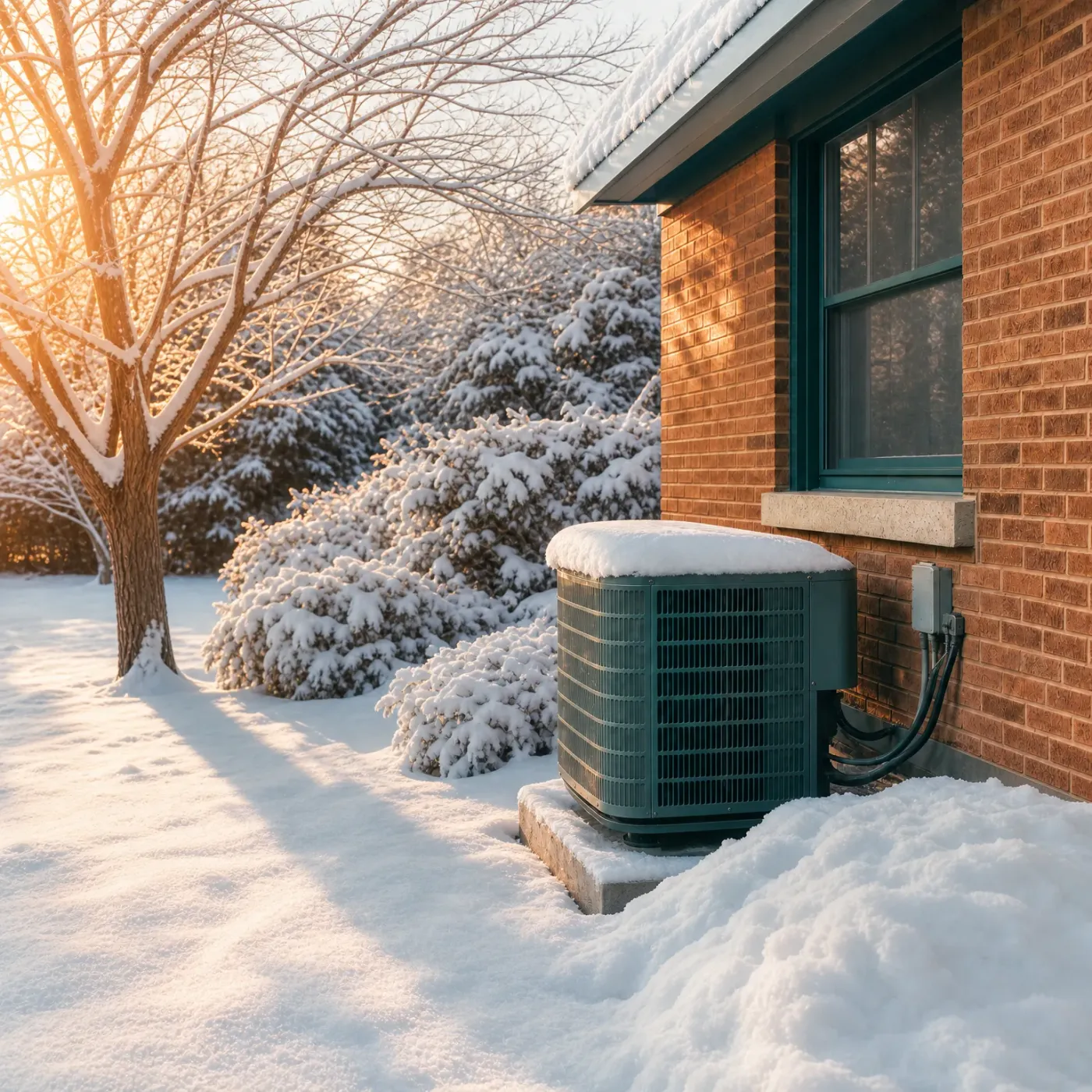
8 months of heat, October through May
What does a heat pump in Illinois face?
How hot do summer afternoons get?
83°Faverage afternoon high where people live
Alaska66°F
Arizona101°F
How cold do winter nights get?
20°Faverage overnight low where people live
North Dakota4°F
Hawaii65°F
How many months does the heat run?
8 monthsof heating a year
Hawaii0 months
Alaska12 months
What does electricity cost?
15.87¢per kWh (kilowatt hours, the unit on an electric bill), what homes paid in 2024
North Dakota11.51¢
Hawaii42.86¢
How often do storms hit?
448severe weather events per county from 2015 to 2024
Alaska5
Wyoming1,057
How many homes lost power for a day or more?
16%of homes in 2024
Arizona7%
Maine54%
The switch between seasons is when weak parts give out
June is when a lot of these problems turn up. The heat pump switches over to cooling after eight straight months of heating, and whatever wore thin over the winter gets asked to do a different job under a fresh load. A weak capacitor or a contactor with some wear on it can carry a system through a mild spring and still give out the first time it has to run hard in the summer heat. September works the same way in reverse. A unit that's been cooling all summer still has to start up reliably the first cold morning in October, and a part that was already marginal in June may not make it that far.
What you can check before anyone comes out
A few things are worth checking before anyone comes out. Start outside. Leaves, grass clippings, or ice packed against the outdoor coil choke airflow and make the system work harder than it should. Clear anything stacked against it. Inside, check that the thermostat is actually calling for heat or cooling, and that the batteries are good if it takes them. A thermostat stuck on the wrong mode gets mistaken for a broken heat pump more often than you'd expect. Check the filter too. A filter packed with dust blocks airflow through the whole system, and a heat pump starved for air will run long and still miss the set temperature. If it looks gray or solid, swap it. Walk through the house and check that vents and registers are open and not blocked by furniture or rugs. Listen to the outdoor unit while it runs. A hard rattle, a grinding noise, or a hum with no fan movement are worth describing to whoever comes out, since each points at a different part. None of this tells you what's actually failed. But it rules out the simple stuff first.
Which end of the state you're on
Illinois isn't one climate for a heat pump to work against. Homes in the southern counties need about 30% more cooling over the year than homes up north, and Massac County asks roughly twice the cooling that McHenry County does, the lowest load in the state. Down south, that's more hours on the compressor every summer, so that's where to look first for a system that's run hard for years. Up north, the load leans more on the heating side, which puts the wear on different parts. Where you are in the state is worth mentioning when you describe the problem.
If a storm came through and the outdoor unit still runs, it's worth having someone look anyway.
Tell us about the job
Takes about a minute. No obligation.
Fill out the form and a licensed Illinois contractor gets in touch to look at your heat pump.