




A row of illuminated two-story brick houses with front porches and mature trees photographed at twilight.

Heat Pump Repair in Moline, IL

Tell us about the job

Takes about a minute. No obligation.

RepairHeat PumpRock Island County, IL
Step 1 of 2

What ZIP code is the job in?

Your heat pump in Moline runs heat from October through May, then switches over for three months of cooling in summer. September is when a weak part tends to get found, right as the system shifts from cooling back to heat and starts working harder. A capacitor or contactor that was marginal all summer can give out the first cold week it has to carry a full heating load. If yours has been short-cycling or running longer than it used to, that is worth a look before the coldest months are on it full time.

8 months
October through May, your system heats
3 months
June through August, it cools
18°F
the average winter night it heats against
83°F
the average summer afternoon it cools against
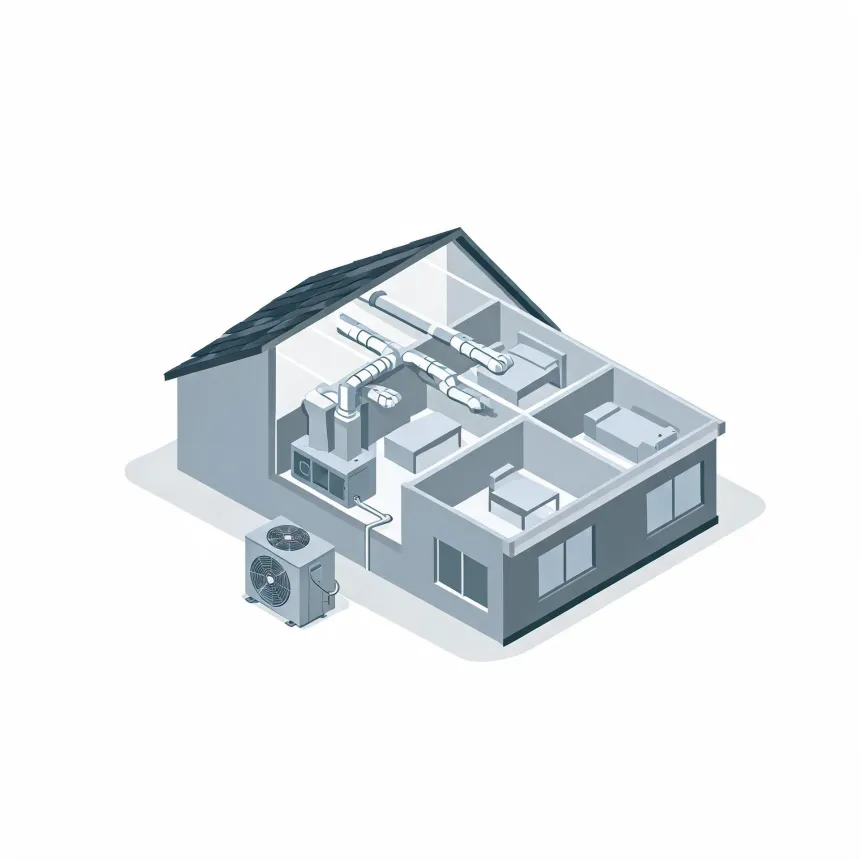
Isometric grayscale illustration of a cutaway house showing interior rooms, ceiling ductwork connected to an indoor air handler, and an outdoor condenser unit beside the exterior wall.
Your system heats October through May and cools June through August.

NOAA nClimDiv, 1991–2020 normals

Moline sees damaging wind, hail and winter storms most years, but none of that targets a heat pump specifically.

Your system failing now almost always comes down to a worn part, not the weather outside.

Half the homes here were built in 1962 or earlier, which means a lot of original equipment is near the end of its life

Half the homes here were built by 1962
87 damaging wind events from 2015 to 2024
34 hail events from 2015 to 2024

Illinois homes paid 15.87 cents per kilowatthour in 2024, and a heat pump that's struggling pulls more power to do the same job. A failing capacitor makes the compressor work harder to start. A low charge makes the system run longer to reach the temperature you set. Either way you're paying more for less heat, every day it sits unfixed. Whatever is wrong with yours now will not cost less to run next month.

Most heat pump problems here come down to a part, not the weather

Rock Island County sees its share of severe weather, but none of it singles out a heat pump. Most calls like yours come down to a part that finally gave out, not the storm that came through. Getting the actual cause found now means it's handled before the next cold stretch asks more of the system.

Find a contractor
A gray heat pump condenser unit mounted on a concrete pad against the gray lap-siding exterior wall of a house.

How old is the system you're calling about

If your heat pump came with the house, and the house dates to 1962 or earlier like half the homes here, it's had decades to rack up hours. A repair tech can tell you the age of your unit from the data plate and give you a straight answer on whether it's worth fixing again or close to done. Worth asking before you pay for a part on a system that's on its last stretch anyway.

A weak part rarely fails clean

A compressor that keeps starting against a bad capacitor runs hotter every time it tries. A low charge that goes unaddressed lets the compressor run with less refrigerant to cool it, and heat wears down its windings. The part that would have been a simple swap turns into a compressor replacement if the system keeps cycling on it.
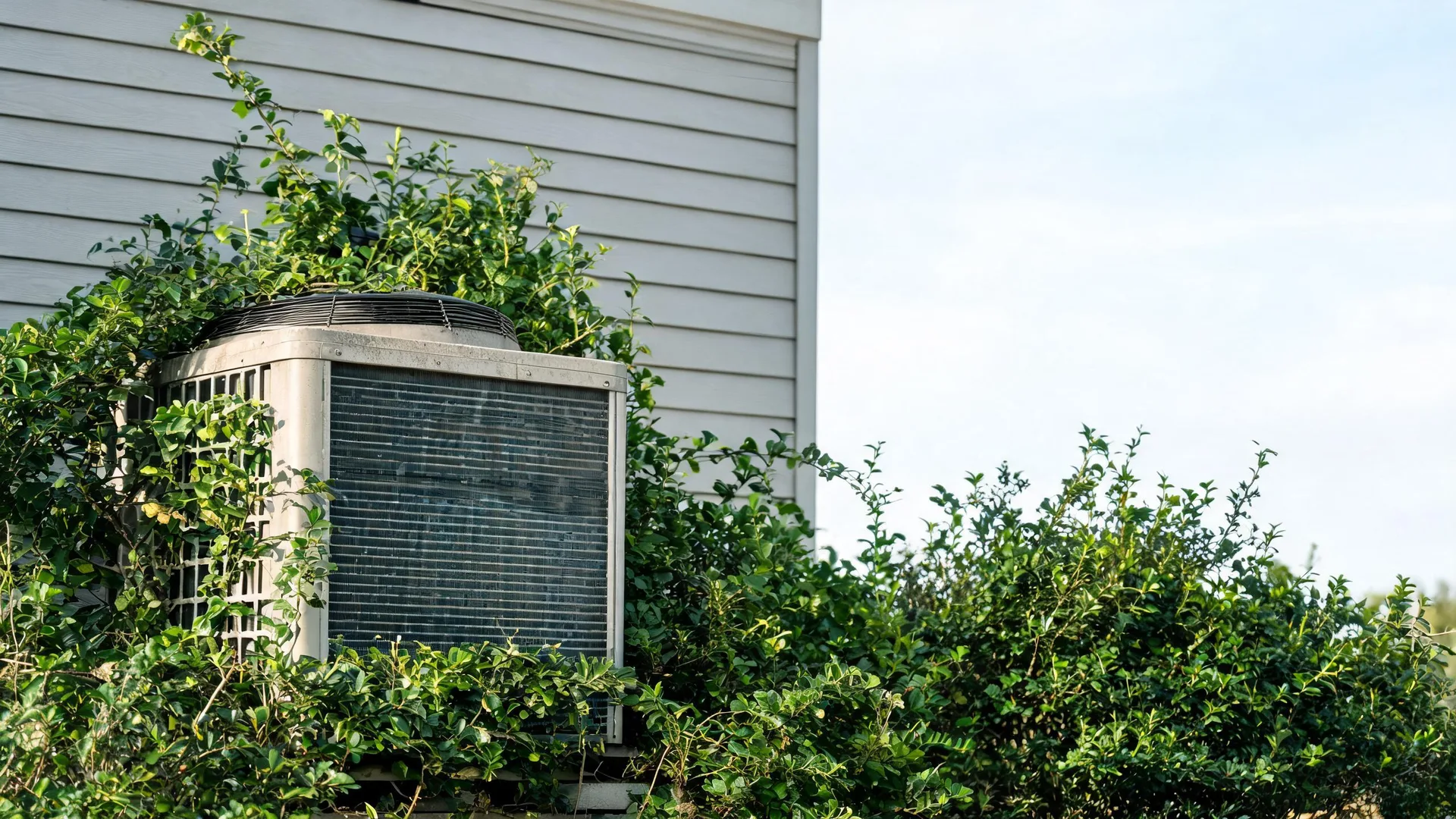
Ice does not stay put

A heat pump low on charge or short on airflow can start icing its outdoor coil. Left running, that ice builds with each cycle and blocks airflow across the coil entirely. At that point the system is heating poorly or not at all, and the fix is no longer the small thing that started it.

A heat pump nearing the end of its life tends to show more than one problem at once, and that's the real sign to weigh repair against replacement. A single bad capacitor or contactor on an otherwise sound system is worth fixing, full stop. But a compressor that's failing, a coil that's leaking, and a blower that's weak all in the same unit is a different situation, even if a tech can technically patch each one. Every repair after that point is buying time on parts that are the same age and wearing out the same way. The compressor is the one that matters most. It's the most expensive part to replace and the hardest to access, so a tech will usually check its condition first before quoting anything else. If the compressor is still sound, fixing what's broken around it makes sense. If it's not, the rest of the repair is money spent on a system that's already on its way out.

A diagnostic visit starts outside, at the unit itself. A tech checks the refrigerant pressure, reads the amp draw on the compressor, and tests the capacitor and contactor under load rather than just looking at them. Static readings off the gauges point toward a low charge or a restriction before anything gets opened up. Inside, the tech checks the air handler, the airflow across the coil, and the thermostat's call against what the outdoor unit is actually doing. Frost on the coil, a compressor that hums without starting, or a reading that's off from what the system should be pulling all narrow down which part is failing. By the end the tech can usually point to the one part causing the trouble and tell you what it would take to fix it.