






A row of illuminated two-story brick houses with front porches and mature trees photographed at twilight.

Heat Pump Repair in Naperville, IL

Tell us about the job

Takes about a minute. No obligation.

RepairHeat PumpDuPage County, IL
Step 1 of 2

What ZIP code is the job in?

DuPage County logged 275 severe weather events between 2015 and 2024. Most of that was wind, 180 events strong enough to count as damaging, the kind that throws branches and siding scrap into an outdoor unit. Add 58 hail events over the same stretch, and hail dents fan blades and coil fins even when the unit keeps running afterward. The county also saw 21 tornadoes touch down in that period, along with 15 winter storms bringing heavy snow or ice. A heat pump that took a hit from any of this can look fine and still be running on a bent fan blade or a coil that's lost some of its fins. Worth having it looked at after a bad storm, not just when it stops working.

8 months
October through May, your system heats
3 months
June through August, it cools
19°F
the average winter night it heats against
82°F
the average summer afternoon it cools against
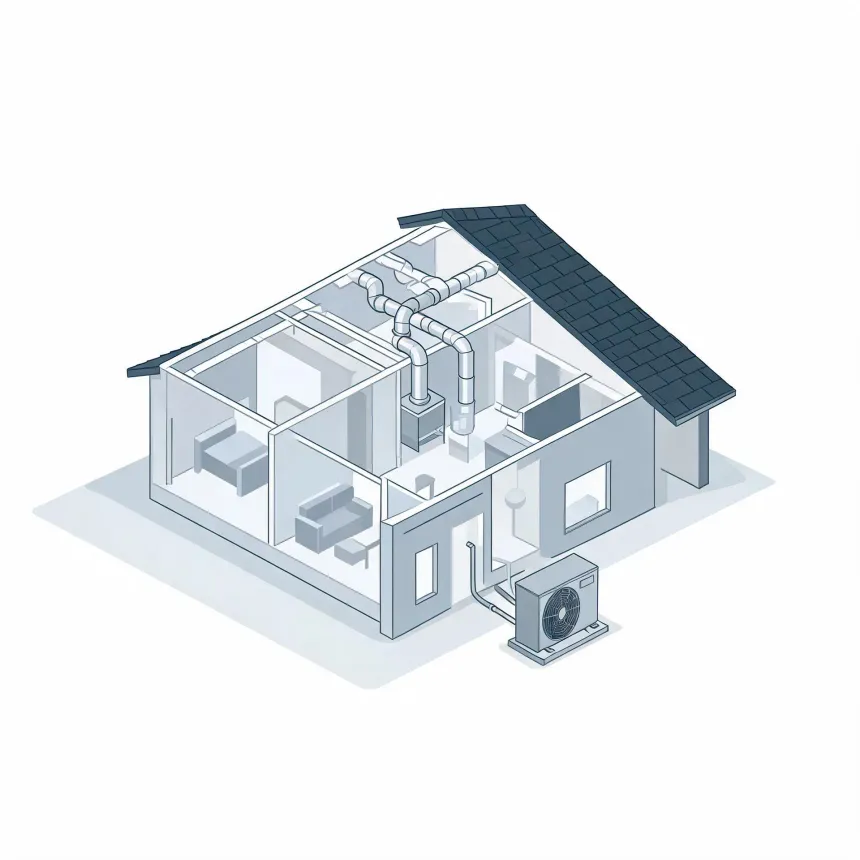
Isometric line illustration of a cutaway house showing interior rooms with furniture, ceiling ductwork connected to an indoor air handler, and an outdoor condenser unit linked by refrigerant lines.
Your system heats October through May and cools June through August.

NOAA nClimDiv, 1991–2020 normals

September is the month before heat season starts here.

A heat pump that limps along in September usually fails outright once it has to carry the house through October cold.

At 17.56 cents a kilowatt-hour, a heat pump that's struggling costs you more here than almost anywhere else

Power here costs 17.56 cents per kilowatt-hour
180 damaging wind events from 2015 to 2024
58 hail events from 2015 to 2024
Built to Run in Weather That Doesn't Let UpSummer air here holds a dew point near 61°F, and the heat pump carries that load on top of everything else it does.

A heat pump short on refrigerant or running on a failing part doesn't just perform worse, it runs longer to make up for it. Every extra hour it runs costs more here than it would almost anywhere else. A unit that's cycling oddly, running constantly, or blowing air that's not quite warm enough is already costing more than a working one would. Getting a contractor to look at it now means paying for a repair instead of paying for months of a machine working harder than it should.

After the Storm, Have It Checked, Not Just When It Quits

If your outdoor unit took wind, hail or debris in the last storm and the heat pump is still giving you trouble, that's worth checking before it goes any further. A bent fan blade or a dented coil doesn't always stop a unit from running, it just stops it from running right.

Find a contractor
A man in a cap, dark t-shirt and tan work pants walks up steps toward a dark teal front door carrying a canvas tool bag, with a planter of greenery beside the porch.
A gray heat pump outdoor unit mounted on a concrete pad next to a residential house with lap siding and stone accents.

A Machine That Works Both Seasons

A furnace in most homes here only has to fire up for part of the year. A heat pump works both sides, cooling the house all summer and heating it all winter, with no real break between. Storm damage does not wait for a slow season to show up, because this machine does not have one. If it is cycling oddly or running long right now, that is wear or damage showing itself, not a unit that needs a rest. Have it checked before the next stretch of hard weather asks more of it than it can give.

A Worn Part Doesn't Hold Steady

A compressor running low on refrigerant works harder to move the same heat, and that extra strain lands on the windings. A motor bearing that's starting to go wears faster once it's carrying a full load than it did when the problem first started. Left alone, a small fault becomes a burned-out compressor or a seized motor, and those don't get repaired, they get replaced.
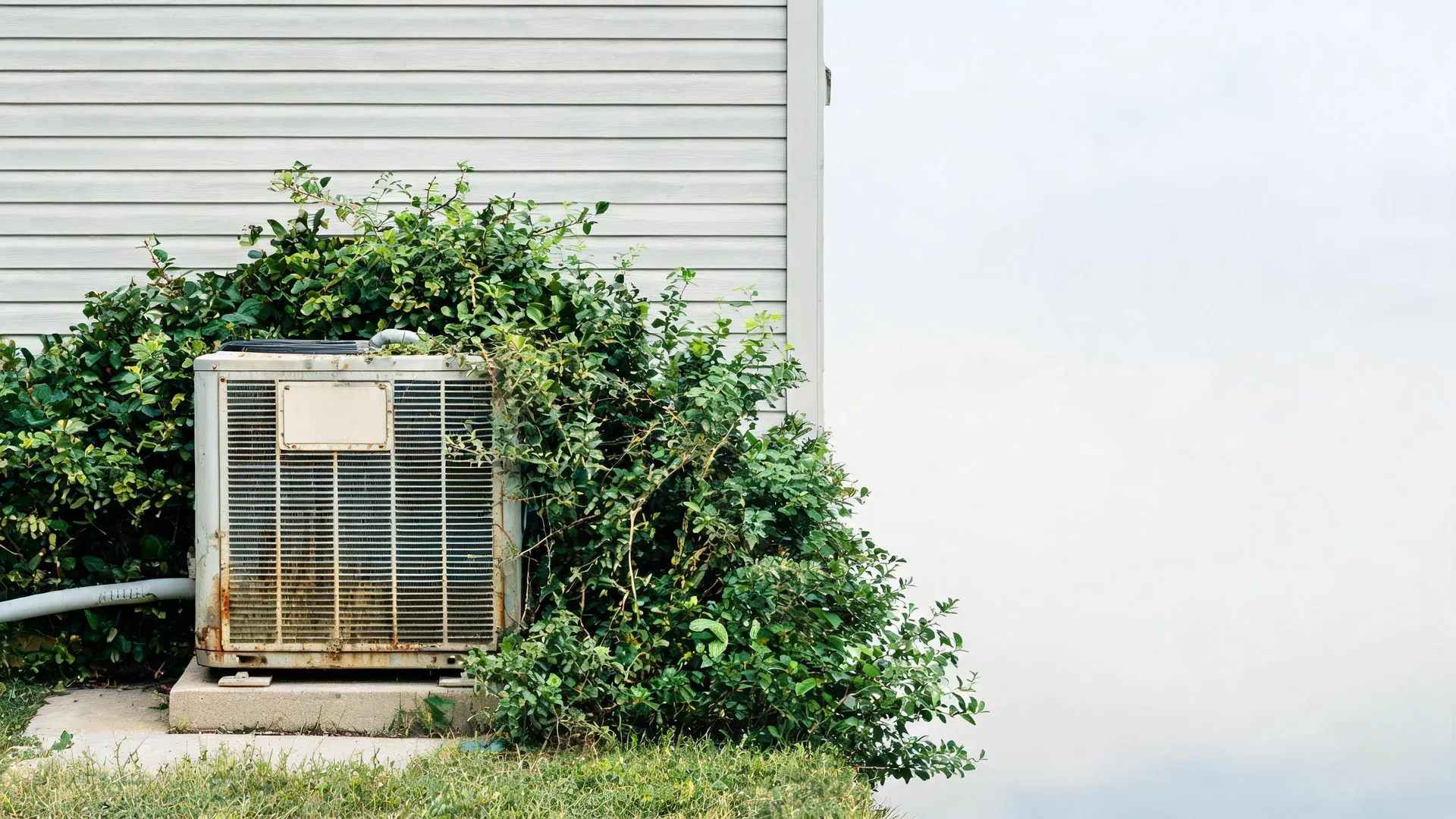
Stopping It Buys You Options

Shutting a struggling heat pump off doesn't fix anything, but it stops the damage from spreading. A contractor looking at a unit that's been run for one more week has fewer parts worth saving than one that got shut down the day it started acting up. Catching a problem while it's still just that one problem is what keeps the repair a repair.

Most heat pump trouble shows up as a change the homeowner can feel before any part actually quits. Air coming out lukewarm instead of warm is one of the first signs, especially when the system runs and runs without the house catching up to the thermostat. Short cycling, where the unit kicks on, shuts off, and starts again a few minutes later, points to a problem with the compressor or a control board rather than something that'll clear on its own. Ice building up on the outdoor coil when it shouldn't be there usually means airflow is restricted or refrigerant is low. A new rattle, squeal, or grinding noise from the outdoor unit is the fan motor or a bearing telling you it's wearing out. None of these fix themselves, and all of them get more expensive to ignore than to call in.

Age is the first thing worth weighing. A heat pump in its first half of life is usually worth repairing almost regardless of what broke, because the cabinet, the coil and most of the parts around the failed one still have long life left. One past the halfway mark of what these units typically run is a different question, especially if the compressor is the part in trouble. Compressors don't get swapped out on their own. A failed compressor on an older unit is usually the point where a contractor will walk you through replacing the whole system rather than putting a new compressor in an old one. A failed capacitor, contactor or fan motor is a different story even on an older unit, since those are cheap parts to replace and don't say anything about the condition of the rest of the system. The question isn't just what broke, it's whether what broke tells you anything about everything else that hasn't.