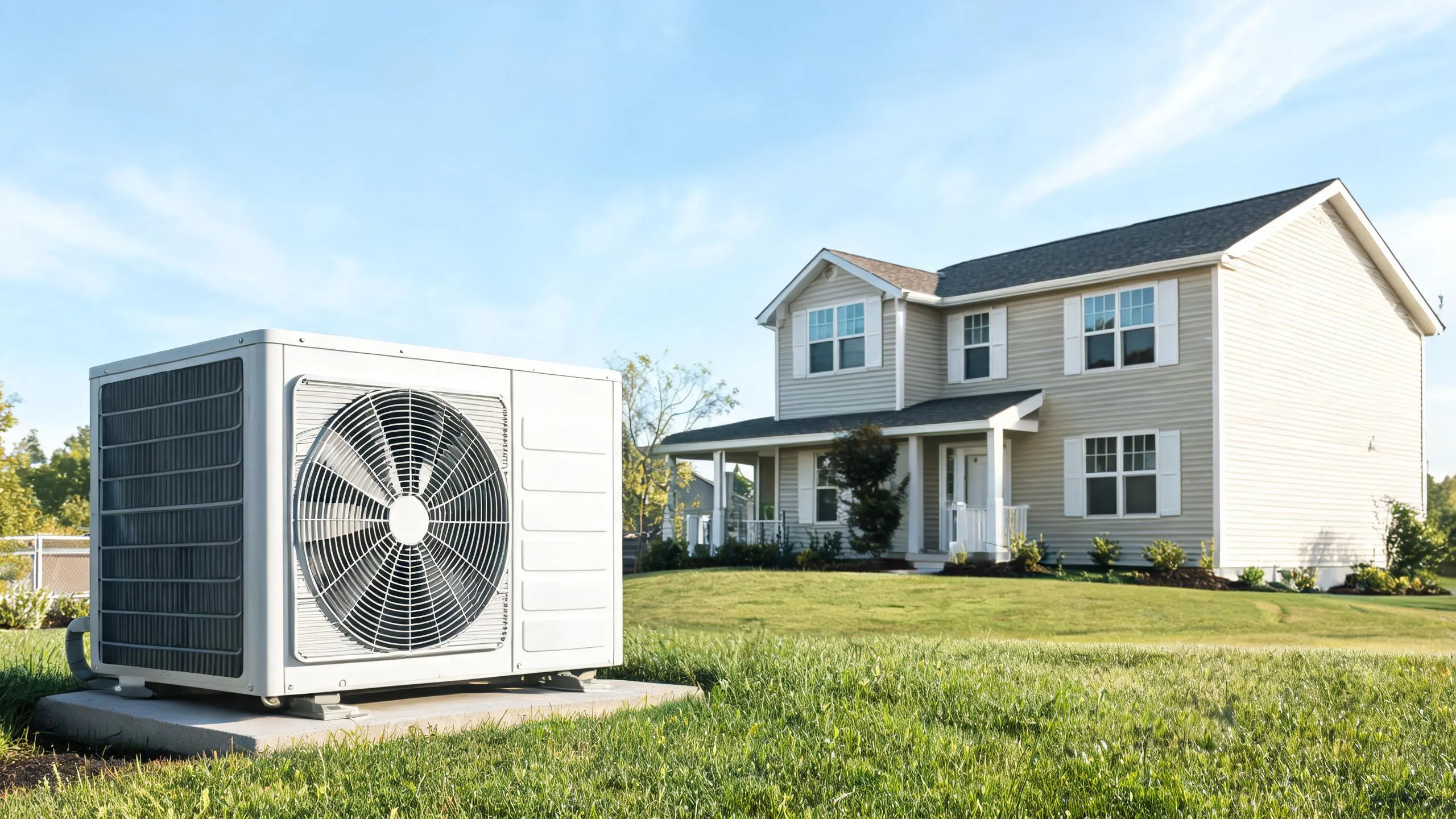
An outdoor heat pump unit mounted on a concrete pad in front of a two-story suburban house.

Heat Pump Repair in Morris, IL

Tell us about the job

Takes about a minute. No obligation.

RepairHeat PumpGrundy County, IL
Step 1 of 2

What ZIP code is the job in?

Winters here ask a lot, but not nonstop

Grundy County sits in zone 5A, a cool, humid climate where heating carries the bigger load. Overnight lows average 19°F through December, January and February. A heat pump here runs hard some nights and eases off plenty of others.

That makes repair worth a look

A heat pump that isn't under constant strain tends to hold up well between real problems. When yours is acting up, the cause is more often a part that's worn or due for attention than a system that's been run into the ground.

8 months
October through May, your system heats
3 months
June through August, it cools
19°F
the average winter night it heats against
83°F
the average summer afternoon it cools against
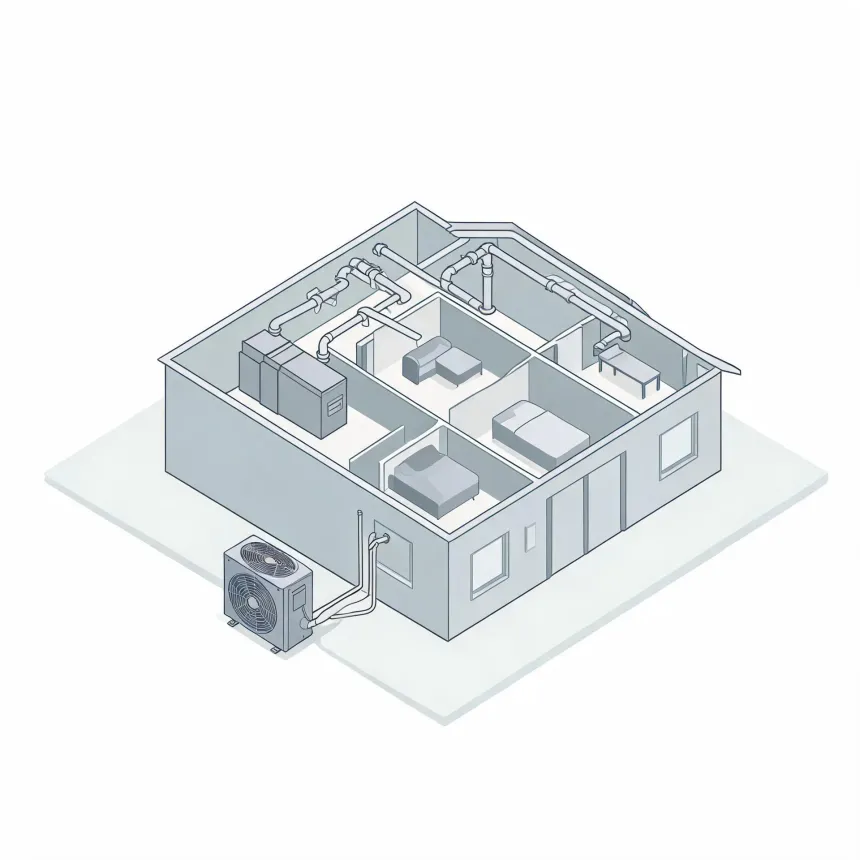
Isometric line illustration of a cutaway single-story house showing interior rooms with beds and furniture, ceiling ductwork connected to an indoor air handler, and an outdoor condenser unit linked by refrigerant lines.
Your system heats October through May and cools June through August.

NOAA nClimDiv, 1991–2020 normals

Half the homes in Grundy County were built in 1990 or later.

A heat pump in a newer Grundy County home usually hasn't been pushed past what it has left to give.

Power here costs 15.87 cents a kWh, so a heat pump that's struggling still runs up the bill on the nights it works hard

Power costs 15.87 cents a kWh statewide
54 damaging wind events from 2015 to 2024
Winter nights average 19°F

A heat pump that's short cycling, running constantly, or blowing air that's not quite warm enough is still pulling power the whole time it does it. That cost shows up on the next bill whether the repair happens today or next month. Waiting doesn't pause the spending, it just adds a few more weeks of it. Getting a contractor out to look at what's wrong is what actually stops the meter from running up on a problem that isn't fixing itself.

Worth fixing, most likely

Get a repair looked at while it's still a worn part, not a system that's been run past what it has left. That's the more likely story for a heat pump here.

Find a contractor
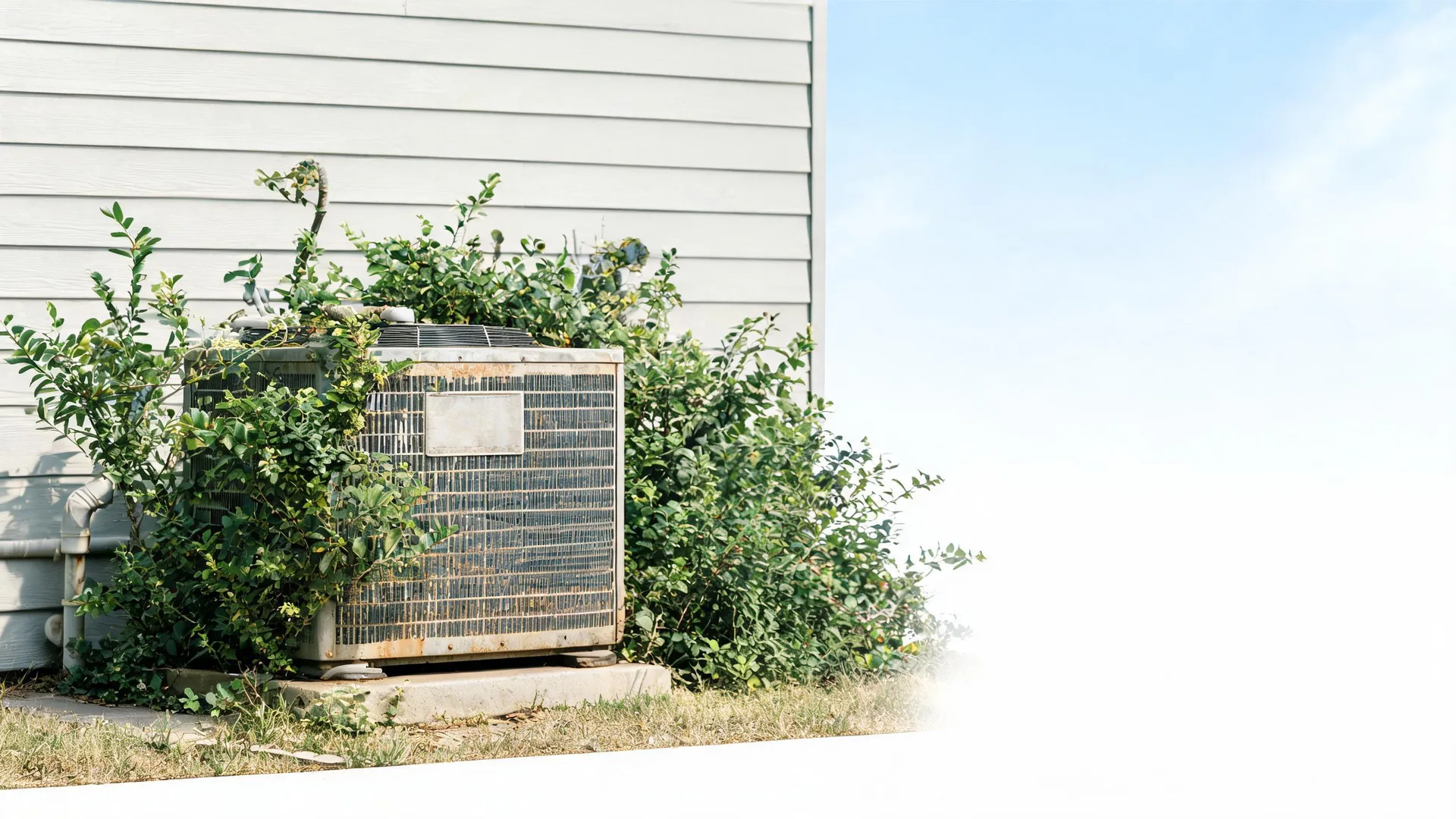
A white mini-split heat pump outdoor unit mounted on a concrete pad beside a gray-sided house, surrounded by gravel and green shrubs.

Still early in its working life

A heat pump installed with the house or soon after isn't old enough to be running on borrowed time. When a newer unit starts short cycling or struggling to hold temperature, the fix is usually a capacitor, a sensor, or a refrigerant charge that's off, not a compressor giving out. That's a repair call, not a replacement decision. Worth getting it looked at before guessing which one you're facing.

Outdoor unit running but the house won't warm up

Air coming out of the vents that feels barely different from room temperature usually means the heat pump is stuck in defrost or the reversing valve isn't switching the way it should. Frost built up on the outdoor coil that isn't clearing on its own points the same direction.

Listen for what changed

A heat pump that used to run quiet and now clicks, buzzes, or hums without starting is telling you something specific. A compressor that hums but won't kick on points to a failing capacitor or contactor, parts that wear out on their own and get swapped without touching the compressor itself.

Most heat pump failures start with a part that wears from switching on and off, not one that gives out from overwork. The capacitor that kicks the compressor and fan into motion loses its charge over time and eventually can't start them at all. Contactors pit and stick from years of making and breaking contact, so the outdoor unit stops answering the call for heat. The reversing valve, which is what lets a heat pump pull heat from outside air instead of just cooling, can stick in one position and leave the system blowing cool air when it should be warm. Low refrigerant almost always means a leak somewhere in the line, not a system that's simply run low with use. Sensors and defrost boards drift out of calibration and start misreading what the coil is actually doing, which throws off the whole defrost cycle. None of these point to a system near the end of its life. They're wear parts, and replacing the right one usually brings the unit right back to normal.

A repair is worth it as long as fixing the part in front of you doesn't just lead to the next part failing right after. A capacitor or contactor swap stands on its own, the rest of the system doesn't care that it happened. Refrigerant is different. Topping off a leak without finding and sealing it means the charge drops again, and low charge over time makes the compressor work harder than it should. That's the one case where a repair can turn into a pattern instead of a fix. A tech tracing the leak before refilling anything is doing it the right way. Everything else, the sensors, the defrost board, the reversing valve, gets replaced once and stays fixed.