This county gets hit
Sangamon County logged 335 severe weather events between 2015 and 2024, including 198 damaging wind events, 110 hail events and 15 tornadoes. That is a lot of chances for something outside to take a hit.
Takes about a minute. No obligation.
Sangamon County logged 335 severe weather events between 2015 and 2024, including 198 damaging wind events, 110 hail events and 15 tornadoes. That is a lot of chances for something outside to take a hit.
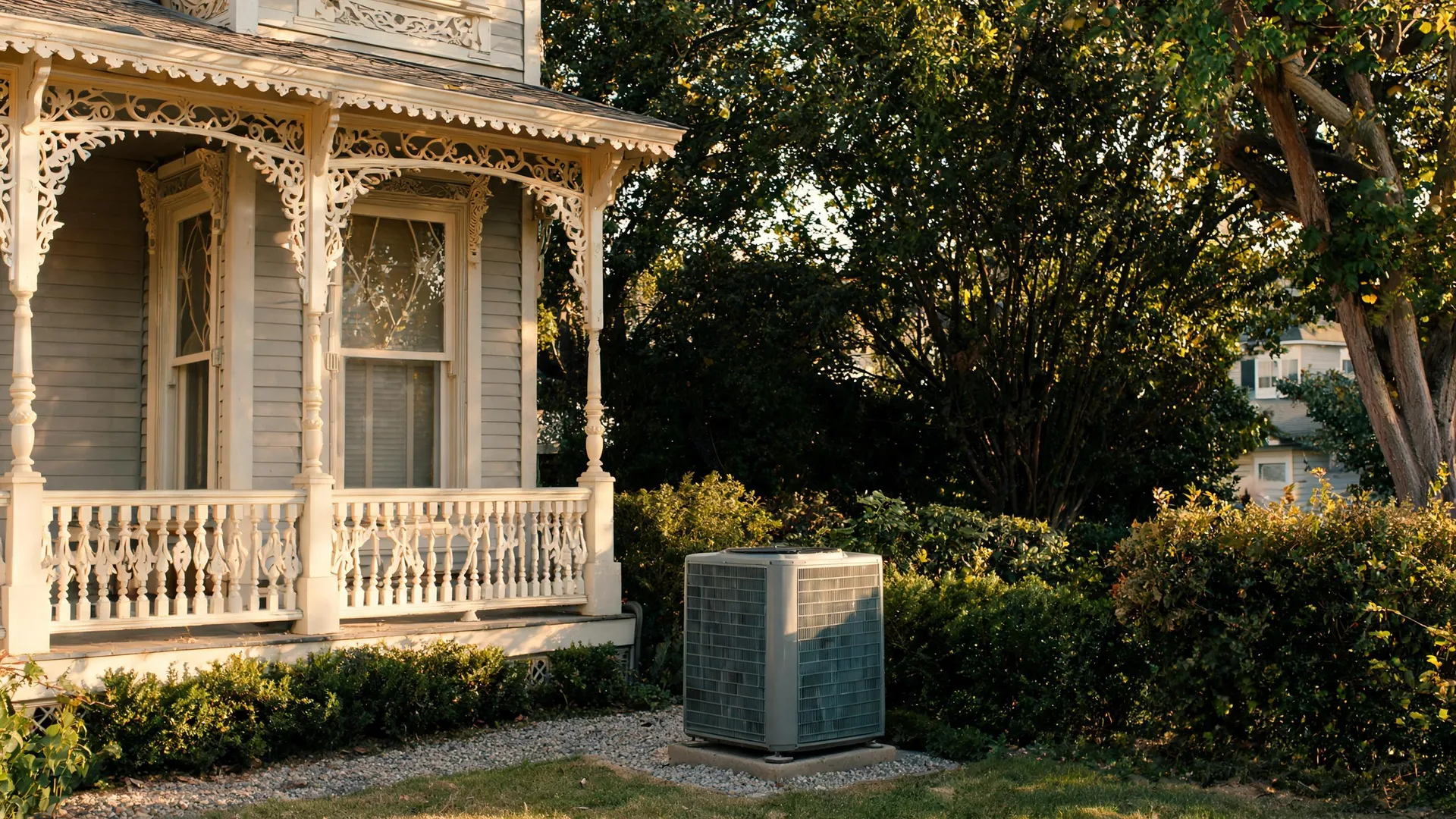
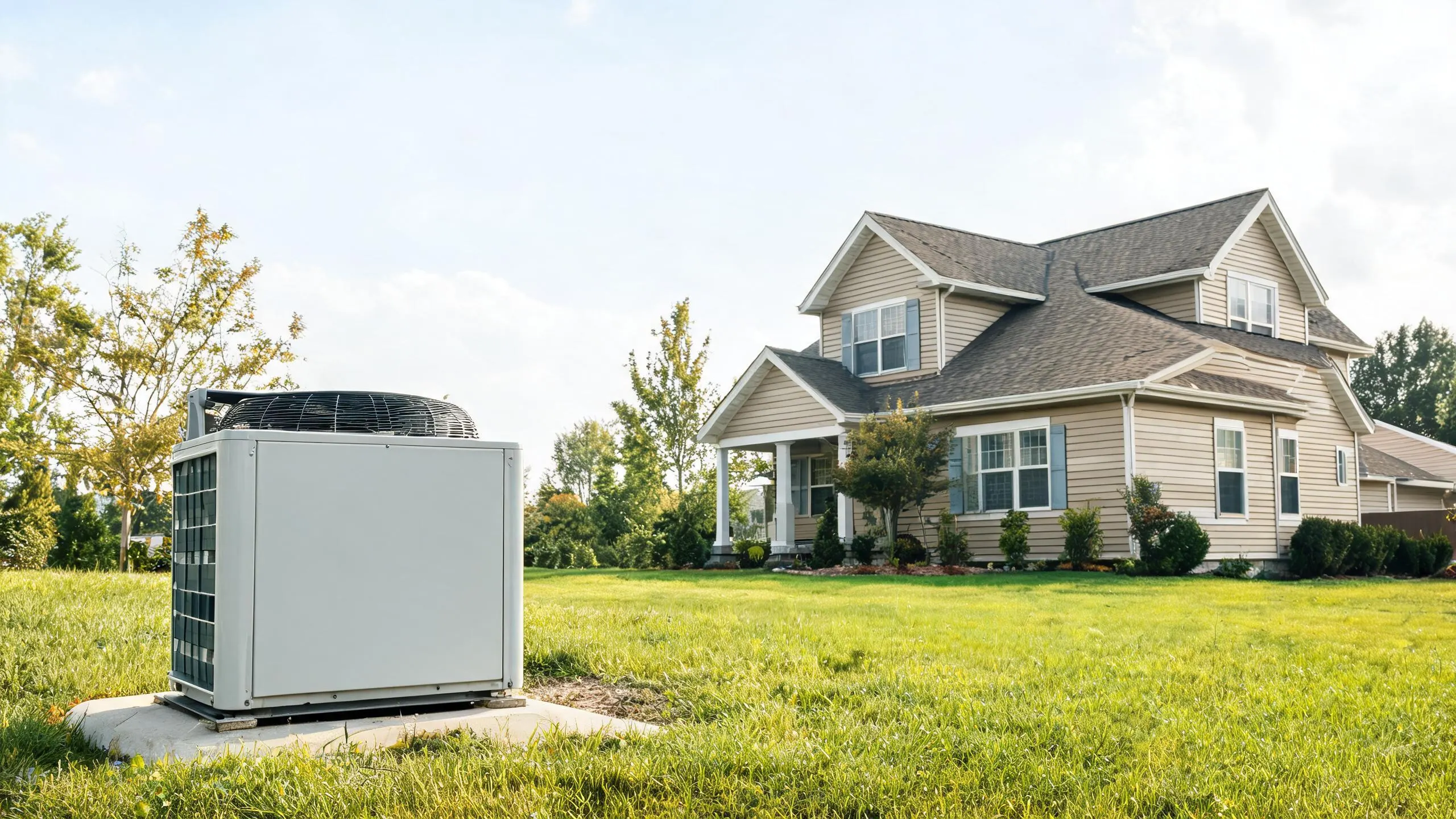
A heat pump's outdoor unit lives outside year round, through wind and hail, with no cover besides its own cabinet. A branch or hailstone can dent the cabinet or bend the fins without stopping it from running that day.
NOAA nClimDiv, 1991–2020 normals
Electricity in Sangamon County ran 14.58 cents per kilowatt-hour in 2025.
A heat pump that's struggling pulls more of it just to keep up, every month it runs.



October is when heat first comes on here, and that is when a weak heat pump usually shows itself. A unit that limped through September cooling without much complaint can struggle once it has to pull heat from cold outside air instead of just moving it. The same goes for May, when cooling starts after seven straight months of heat and the system switches modes for the first time all year. Homes here run heat from October through April, about seven months straight, so a problem that starts small in week one has a long stretch to get worse. Waiting until January, when overnight lows average 22°F, gives a struggling part far less room to fail quietly.
If hail or a branch came through recently, have the outdoor unit checked even if it's still running. A dented cabinet or bent fins can work fine for weeks before they don't, and with 16% of Illinois households losing power for a day or more in 2024, a unit that's already weakened has less to give when an outage hits on top of it.
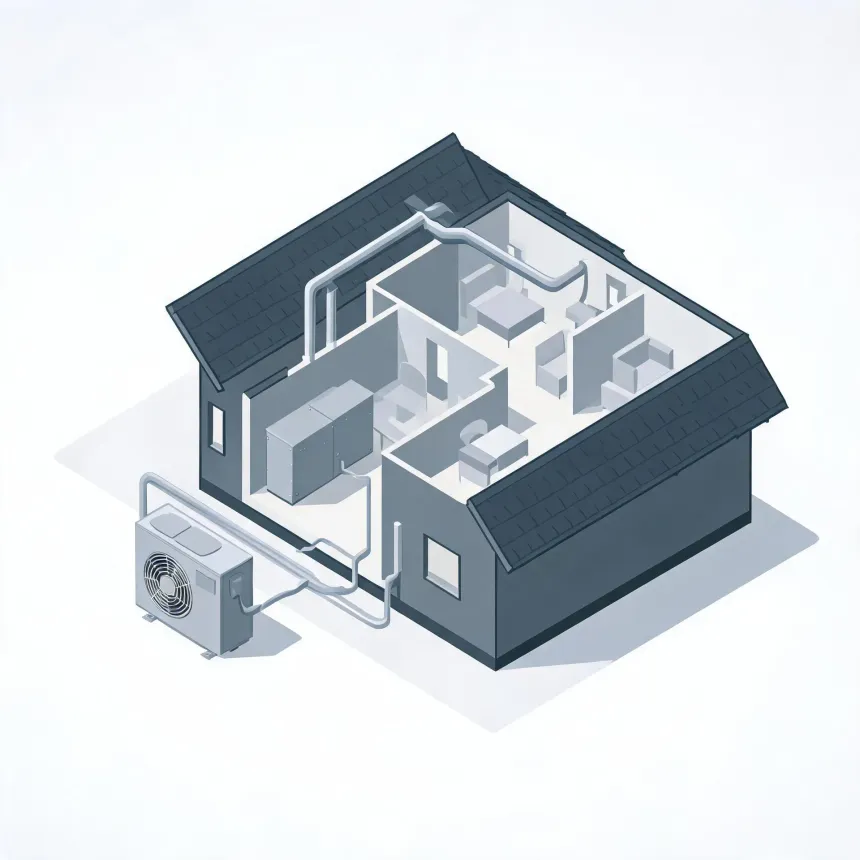
Find a contractorA diagnostic call starts outside at the outdoor unit. The tech checks the fan, the coil, the refrigerant lines, and looks for anything bent, blocked, or iced over that shouldn't be. Then it's the electrical side: contactor, capacitor, wiring, looking for anything scorched or loose. Refrigerant pressures get checked next, because low charge or a restriction will show up there before it shows up anywhere else. Inside, the tech checks the air handler, the coil, and the thermostat to see if the system is actually calling for heat or cooling the way it should and delivering it. A reversing valve gets tested too, since that's the part that lets a heat pump switch between heating and cooling, and a valve stuck in one position will explain a lot by itself. Most of this comes down to listening to what the homeowner noticed first. Short cycling, warm air when it should be hot, ice that won't melt off the coil. That starting point usually points the tech straight to the part that's failing before the gauges confirm it.
The reversing valve is what lets a heat pump switch between heating and cooling, and it has to move every time the season changes or the thermostat calls for something different. A valve stuck halfway gives you a system that runs but blows air that's not quite right. The control board is the other common point of failure, since it tells the valve, the fan and the compressor what to do. One bad relay on it can take the whole unit down.
The outdoor coil has to give up heat in summer and pull heat from the air in winter, so dirt or bent fins cut down how much air gets across it in both directions. A coil that's losing efficiency doesn't fail outright. It just makes the compressor run longer and work harder to do the same job, and the compressor is usually what gives out first.
There are a few things worth checking before a service call. Look at the thermostat first and make sure it's set to the mode you want and the batteries aren't dead, since a thermostat that lost power can sit blank or stuck. Walk outside and check the outdoor unit for anything blocking airflow around it, leaves, a tarp, anything piled against the cabinet. If the outdoor coil is caked with ice and it isn't actively defrosting, that's worth noting but not worth chipping at yourself. Check your circuit breaker panel for a tripped breaker, since a heat pump that won't start at all sometimes just lost power to the outdoor unit or the air handler. Look at the air filter too. A filter packed with dust chokes off airflow and can make the system run constantly without ever catching up. None of this fixes a bad reversing valve or a failing board, but it rules out the simple stuff first.
A heat pump that's running weak doesn't shut off and wait for help. It keeps cycling, pulling more power each time it tries to make up the difference. That cost shows up on the bill before it shows up as a breakdown. If the system has been running long or loud, or the air coming out isn't as warm or cool as it should be, that's worth a diagnostic call now rather than after another month of paying for a unit that's struggling. The part that's failing usually isn't getting better on its own.