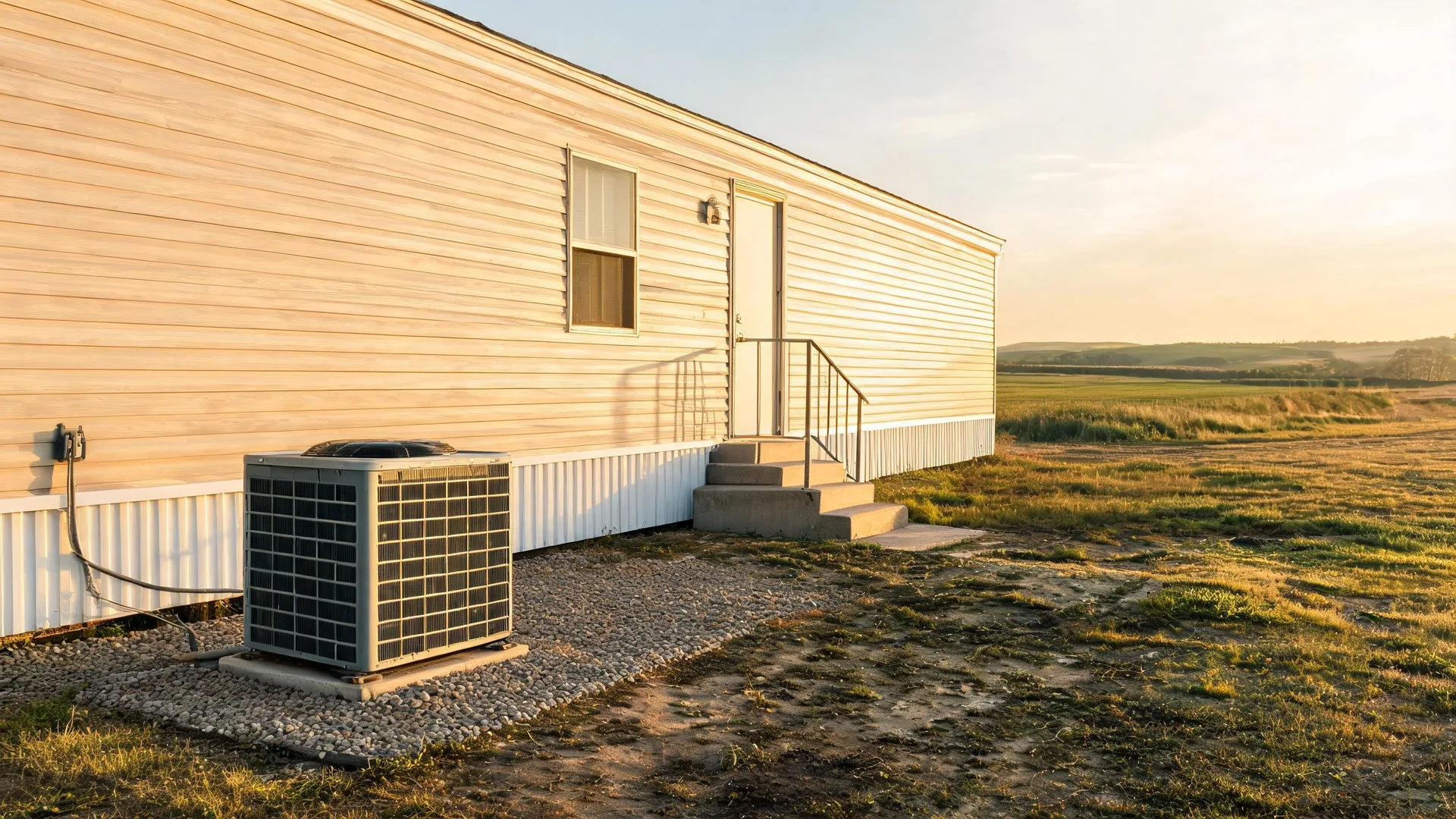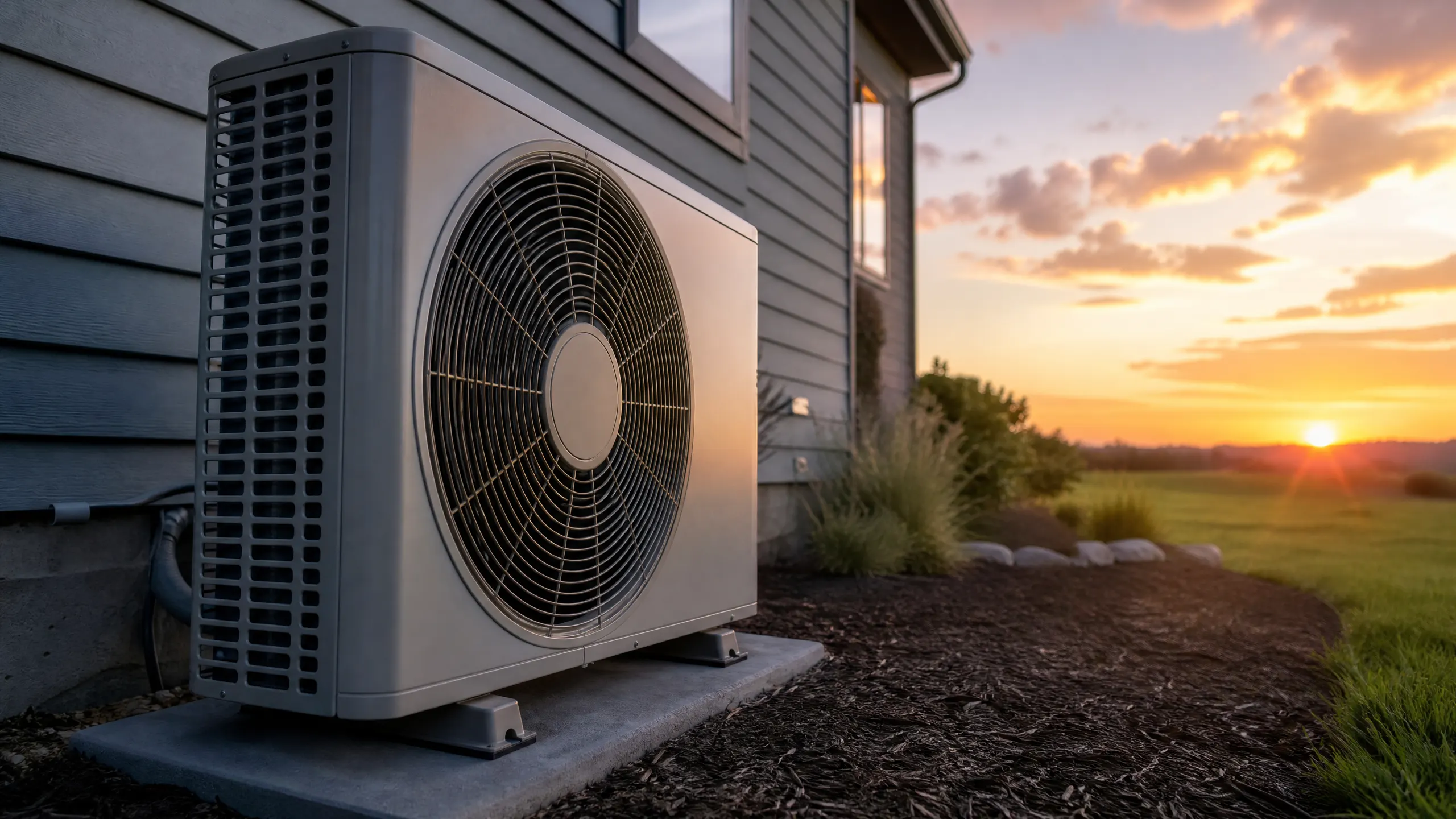
A grey residential air-conditioning condenser unit mounted on a concrete pad beside a house, photographed at sunset.

Heat Pump Repair in Marion, IL

Tell us about the job

Takes about a minute. No obligation.

RepairHeat PumpWilliamson County, IL
Step 1 of 2

What ZIP code is the job in?

Marion asks normal work of a heat pump

Zone 4A means a real heating load in winter and a real cooling load in summer. Your heat pump switches between the two as the seasons turn. That is what it was built to do. Nothing about Williamson County pushes it harder than that.


So look for the usual cause first

A heat pump that stops heating or cooling right here is most likely dealing with an ordinary problem. A failing capacitor. Low refrigerant charge. A reversing valve stuck in one position. The weather isn't doing anything strange to the system, so there's no reason to chase a strange cause. A contractor can check the common points first and most likely find the answer there.

7 months
October through April, your system heats
5 months
May through September, it cools
27°F
the average winter night it heats against
87°F
the average summer afternoon it cools against
Isometric illustration of a cutaway house showing interior rooms, ceiling ductwork and an air handler, connected by lines to an outdoor condenser unit on a pad beside the building.
Your system heats October through April and cools May through September.

NOAA nClimDiv, 1991–2020 normals

Heat here switches on in October and runs through April, seven months straight.

The first cold snap after September is when a weak part finally gets tested, and often fails.

Half the homes here were built in 1981 or later, new enough that the heat pump likely still has years left

Half the homes here were built by 1981
88 damaging wind events from 2015 to 2024
39 hail events from 2015 to 2024

Electricity in Illinois ran 15.87 cents per kilowatthour in 2024. A heat pump leaning on its backup heat strips instead of the compressor burns through that fast. So does one short cycling, kicking on and off instead of running a steady stretch. Either way you're paying for a problem that hasn't been fixed yet, every day it sits. Getting the actual cause found and corrected stops that meter from spinning for nothing.

This is a repair, not a mystery

Williamson County has seen its share of wind, hail and a handful of tornadoes over the past decade, but none of that points to what's wrong with your heat pump today. Storm damage shows itself fast and obviously. A unit that's lost heating or cooling on an ordinary day is almost always dealing with an ordinary part that failed. A contractor can track that down and get it running again.

Find a contractor
A residential heat pump outdoor unit mounted on a concrete pad next to a house with gray vinyl siding.

Worth fixing, not replacing

If your heat pump came with the house, there's a good chance it's only a handful of years in. That's worth knowing before you decide anything. A system that young is worth repairing, not replacing. Have a contractor find the actual part that failed and fix that.

A small fault turns into a bigger one

A compressor low on charge keeps trying to hit the same pressures with less refrigerant to do it. That strains it in a way it wasn't built for. Left running, it can go from a repair to a replacement.

Running wrong hides the part that's actually wrong

A heat pump short cycling or leaning on backup heat is still moving air, so it's tempting to let it ride. Every hour it runs that way is an hour closer to the compressor or the heat strips failing outright, not just underperforming.

Most people notice a heat pump problem before they can name it. The air coming out feels wrong, cool when it should be warm, or just not as strong as it was. Sometimes the outdoor unit is running constantly, never cycling off the way it used to. Sometimes it's doing the opposite, kicking on and off every few minutes instead of holding a steady stretch. Ice on the outdoor coil in the middle of winter is worth a look too, since some frost is normal but a heavy coating usually isn't. A hissing sound, a burning smell, or the system tripping its breaker are all reasons to shut it down and get someone out rather than wait and see.

Most heat pump repairs are worth doing. The parts that typically fail, a capacitor, a contactor, a low refrigerant charge, a reversing valve, are all serviceable on their own without touching the rest of the system. Replacing one of those doesn't shorten the life of everything else in the cabinet. What actually pushes a system toward replacement is the compressor failing, or a refrigerant leak that's gone unaddressed long enough to damage it. Age matters too, since parts for an older unit get harder to source, and a cabinet that's rusted through or coils that have corroded are a different problem than a single failed component. Short of those, a contractor fixing the part that broke is the normal answer, not the exception.