





An outdoor air conditioning condenser unit mounted on a concrete pad next to a residential house at sunset.

Heat Pump Repair in Joliet, IL

Tell us about the job

Takes about a minute. No obligation.

RepairHeat PumpWill County, IL
Step 1 of 2

What ZIP code is the job in?

Will County saw 346 severe weather events between 2015 and 2024. Most of that was wind and hail. Damaging wind hit the county 202 times in those years, and hail came through 89 times, with 33 tornadoes on top of that. A heat pump's outdoor unit sits right in the yard through all of it, and the coil and fan are exposed to whatever comes through. A storm can bend the fins or crack a fan blade without stopping the unit from running that day. If your system took a hit from hail or flying debris, it's worth having someone look at the outdoor unit even if you haven't noticed a problem yet.

8 months
October through May, your system heats
3 months
June through August, it cools
20°F
the average winter night it heats against
83°F
the average summer afternoon it cools against
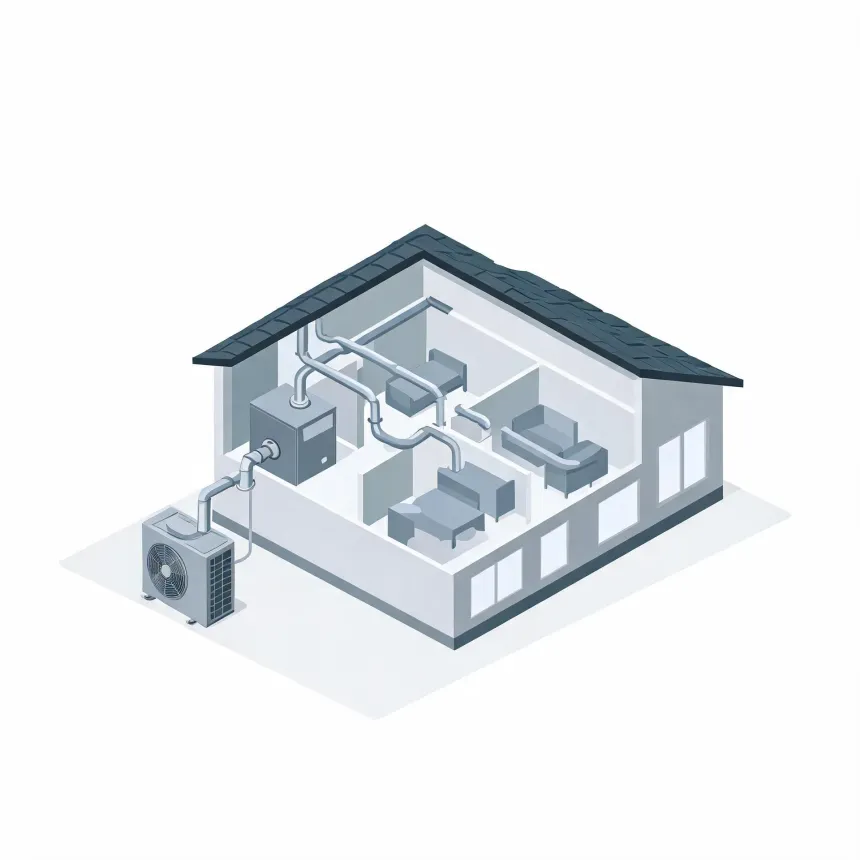
Isometric cutaway illustration of a single-story house showing an indoor air handler, branching ductwork through rooms with furniture, and an outdoor condenser unit connected by a line outside the wall.
Your system heats October through May and cools June through August.

NOAA nClimDiv, 1991–2020 normals

September is the month before heat is needed in Will County.

A heat pump with a weak part often makes it through fall and fails the first cold week it has to work hard.

Your heat pump is probably younger than the storms that hit it

Half the homes here were built by 1992
202 damaging wind events from 2015 to 2024
89 hail events from 2015 to 2024

Your heat pump runs more hours here than in most of the country. Will County sits in zone 5A, where heating carries the bigger load, and summer brings its own strain with the dew point averaging 63°F across June, July and August. That kind of air makes the outdoor unit work harder to pull heat out of your house in summer and harder to pull heat in during winter. A compressor or fan motor that's been leaning into that load for years is often already weak before it quits outright. When a heat pump stops working, or won't hold a temperature, that history matters as much as whatever just happened to it. A proper diagnosis looks at what the part has been through, not just what it's doing right now.

If your outdoor unit took a hit, get it checked before it fails

If hail or wind came through recently and the outdoor unit hasn't been looked at, don't wait for it to stop working. Bent fins and a cracked fan blade don't always show up as a problem right away.

Find a contractor
A man in a cap, dark work shirt and dusty tan pants walks up concrete steps toward a blue front door, carrying a worn canvas tool bag in his right hand, with a potted shrub beside the entry.
A gray outdoor HVAC unit mounted on a concrete pad beside a house with gray lap siding and a stone foundation.

Built in 1992 or later, most of this system's life is still ahead of it

Half the homes in Will County were built in 1992 or later. If yours is one of them, get the broken part fixed rather than treat the whole unit as a loss. A cracked fan blade or a bad capacitor is a repair on a system with years left, not a sign it's done. The hard running it's done so far is still worth asking about, since that tells a tech what shape the rest of the unit is likely in, but the unit's age itself is a reason to lean toward fixing it. Ask whoever comes out how old the system is and what they see in the rest of it before you decide anything.

What a failing heat pump sounds and feels like

A heat pump that's struggling will often run long stretches without hitting the temperature on the thermostat, or it blows air that feels barely warm or barely cool. Ice building up on the outdoor coil in a way that doesn't clear during the defrost cycle points to a problem with the reversing valve or the defrost control. Grinding, rattling, or a hard clunk when the outdoor unit starts up usually means the fan motor or the compressor is wearing out. Short cycling, where the unit kicks on and off every few minutes instead of running a full cycle, puts extra strain on the compressor every time it happens.
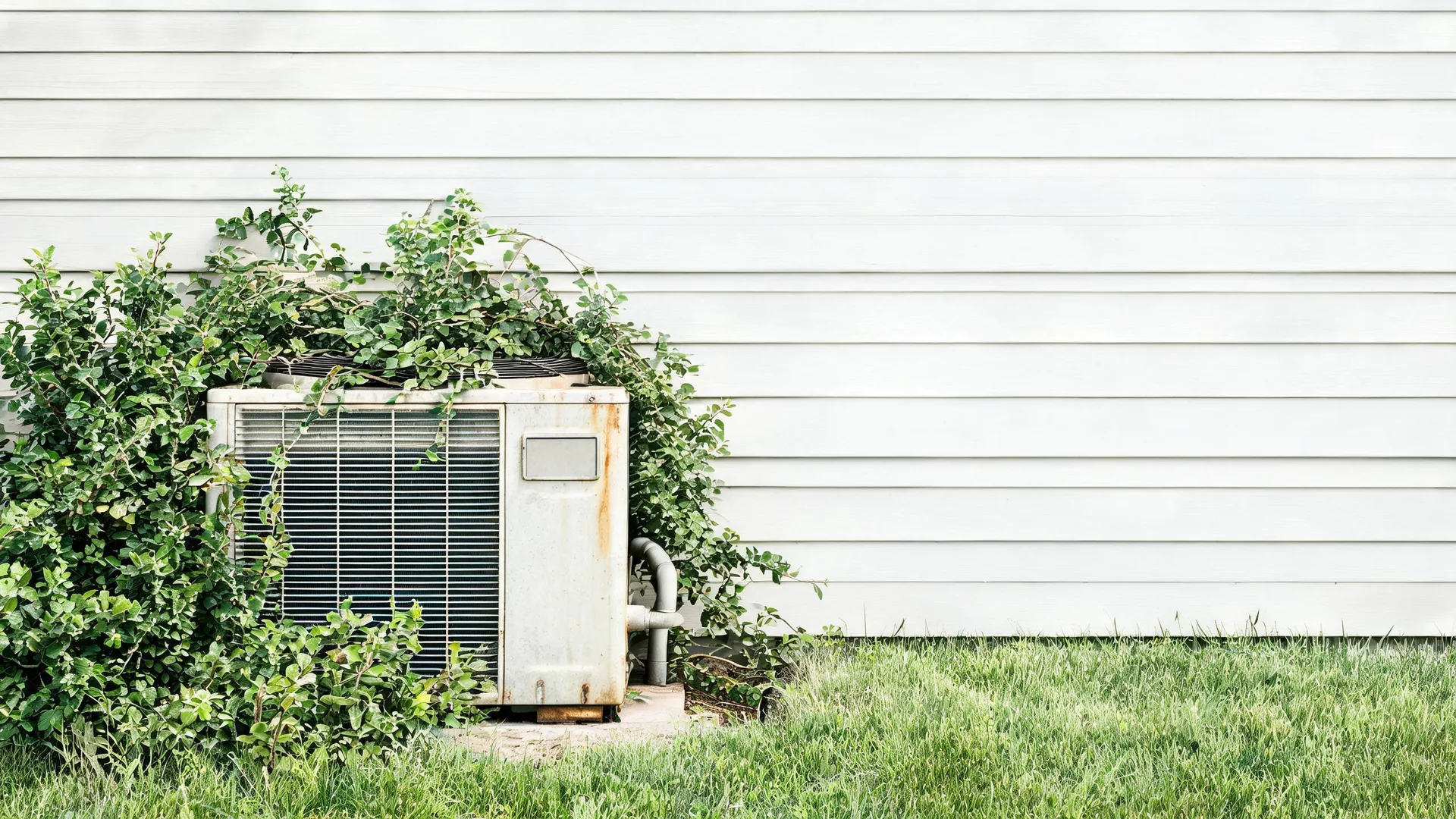
Why it's worth calling before it quits

A heat pump rarely fails all at once. A weak capacitor makes the compressor or fan motor work harder to start, and that strain shortens the life of whatever it's pushing. A refrigerant leak will show up first as reduced heating or cooling, long before the system stops running altogether. Catching one bad part early usually means replacing that part. Waiting until the unit stops means the tech is often dealing with damage that spread to other components because the first one kept straining against the problem.

A few things are safe to check yourself before anyone comes out. Look at the thermostat first. Make sure it's set to heat or cool as needed and that the batteries aren't dead, since a blank or frozen display can look like a system failure when it's really just that. Check the air filter next. A filter clogged with dust chokes off airflow, and a heat pump starved for airflow will ice up or struggle to hit the set temperature. Walk outside and look at the outdoor unit. Clear away leaves, grass clippings or anything stacked against it, since the coil needs open air moving through it to work at all. If you see ice on the coil, don't chip at it. Turn the system to fan only or off and let it melt on its own. Check the circuit breaker too. A heat pump that won't start at all sometimes just needs a tripped breaker reset, though if it trips again right away, that's a sign to stop and call someone rather than reset it a second time.

Electricity in Will County runs 17.91 cents per kilowatt hour, higher than most of the country pays. A heat pump that's losing refrigerant or straining through a weak capacitor doesn't just stop working well, it pulls more power to do less. That cost shows up on every bill until the part gets fixed, not just once. A unit short cycling or running long stretches without hitting the set temperature is drawing power the whole time it's struggling. The longer a failing part stays in the system, the more months it costs you before it finally quits.