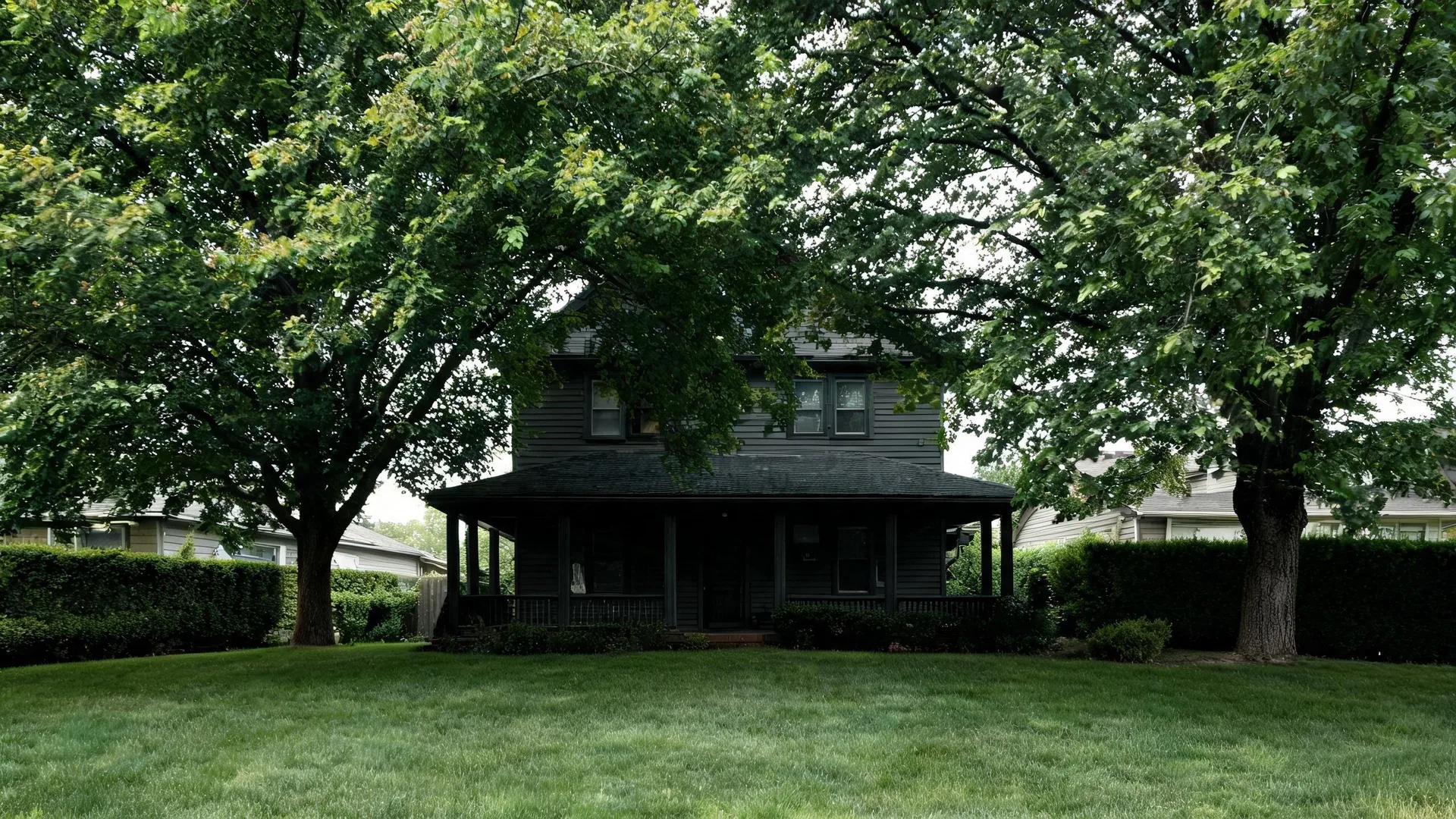
A dark two-story house with a wraparound covered porch sits behind a trimmed hedge and a mown lawn, framed by two large leafy trees.

Heat Pump Repair in Quincy, IL

Tell us about the job

Takes about a minute. No obligation.

RepairHeat PumpAdams County, IL
Step 1 of 2

What ZIP code is the job in?

September is when a weak heat pump shows itself

Heat in Adams County runs October through April. The first cold mornings in September and October push a heat pump harder than it's worked in months, and a part that was already marginal tends to fail right about then.


What that means for a repair call now

If a heat pump is struggling as the weather turns, the cause is usually something that was already wearing down, not a sign the machine is being pushed beyond what it's built for. Getting the actual cause diagnosed now matters more than guessing at it.

7 months
October through April, your system heats
4 months
June through September, it cools
22°F
the average winter night it heats against
85°F
the average summer afternoon it cools against
Isometric grayscale illustration of a cutaway single-story house showing interior rooms, ductwork and an air handler, an exterior condenser unit connected by lines, and dark solar panels on the roof.
Your system heats October through April and cools June through September.

NOAA nClimDiv, 1991–2020 normals

Winters here average 22°F overnight through December, January and February, and heat pumps are built to run in weather like that.

If a heat pump is losing the fight on a 22 degree morning, something in it needs attention. The cold outside isn't the problem.

At 15.87 cents a kilowatt-hour, a heat pump that's struggling costs you every day it runs that way

Power costs 15.87 cents a kWh statewide
33 hail events from 2015 to 2024
Winter nights average 22°F

Half the homes in Adams County were built in 1965 or earlier. If your heat pump came with a house that old, the house and the unit aren't necessarily the same age, but it's worth asking the question rather than assuming. A heat pump doesn't last forever, and one that's old and now struggling may be near the end of what it can do. A repair that makes sense on a newer system can be wasted money on one that's already on its way out. Before paying for a major repair, find out which situation this actually is.

A struggling heat pump still runs up the bill. Get it looked at.

A heat pump that's lost its edge doesn't stop pulling power. It keeps running, just worse, and at 15.87 cents a kilowatt-hour that adds up fast. Getting it looked at now is cheaper than paying to run it broken through the winter.

Find a contractor
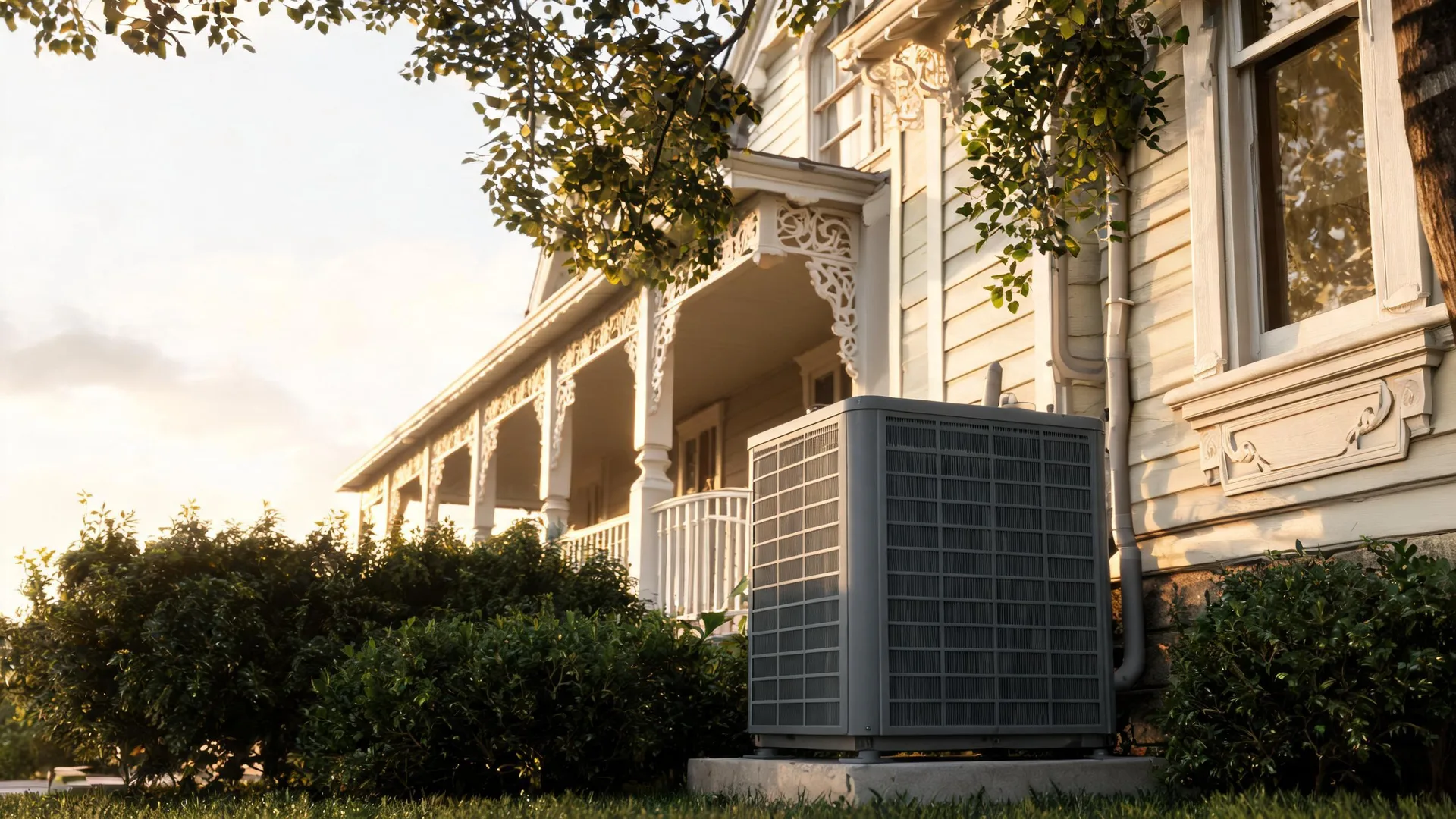
A dark gray heat pump unit mounted on a concrete pad next to a house with gray siding and a stone veneer wall.

Find out before you pay for the repair

A technician who comes out for the repair can check the nameplate and tell you how old the unit actually is. That settles the question instead of guessing from the house. Once you know the unit's age, ask whether this repair is worth it or whether it's just buying a few more months on a system that's on its way out. That's worth knowing before you spend the money, not after.

What you can check yourself

Look at the outdoor unit and clear away leaves, mulch or anything blocking the sides. Check the air filter inside and swap it if it's dirty, since restricted airflow makes a heat pump work harder and can bring on problems that look electrical but aren't. Check the thermostat is set to heat and the batteries aren't dead. Look at the outdoor coil for a heavy layer of frost or ice beyond what normally melts off during a defrost cycle.

What to leave alone

Don't try to chip ice off the coil or pour water on it. Don't open the outdoor unit's cabinet or touch the wiring. If the breaker has tripped, you can reset it once, but if it trips again leave it off and get a tech out rather than resetting it repeatedly. A heat pump blowing air that feels cool to the touch is often normal and not a fault by itself.

A heat pump fails in a handful of predictable ways. The reversing valve that switches it between heating and cooling can stick, so it gets stuck in one mode or stops switching at all. The defrost board or sensor can go bad, and then frost builds up on the outdoor coil instead of melting off on schedule. Capacitors wear down and weaken the fan motor or compressor until one of them stalls out. Low refrigerant from a slow leak shows up as the system running long cycles without getting the house to temperature. A clogged filter or a dirty outdoor coil forces the whole system to work harder, and that extra strain is what often takes out a part that was already close to done.

A diagnostic call starts outside at the unit, checking the coil, the fan and the refrigerant lines before anything gets opened up. Inside, the tech checks static pressure and the temperature split across the coil, since those numbers point toward the refrigerant side or the airflow side before a single panel comes off. The electrical panel comes off next, and the capacitors, contactors and board get tested rather than eyeballed, because a weak capacitor can still look fine sitting there. If the compressor or reversing valve is suspect, that takes longer to confirm since it means watching the system run through a full heating cycle rather than just taking one reading. By the end you should get a straight answer on which part failed and why, not just a guess.