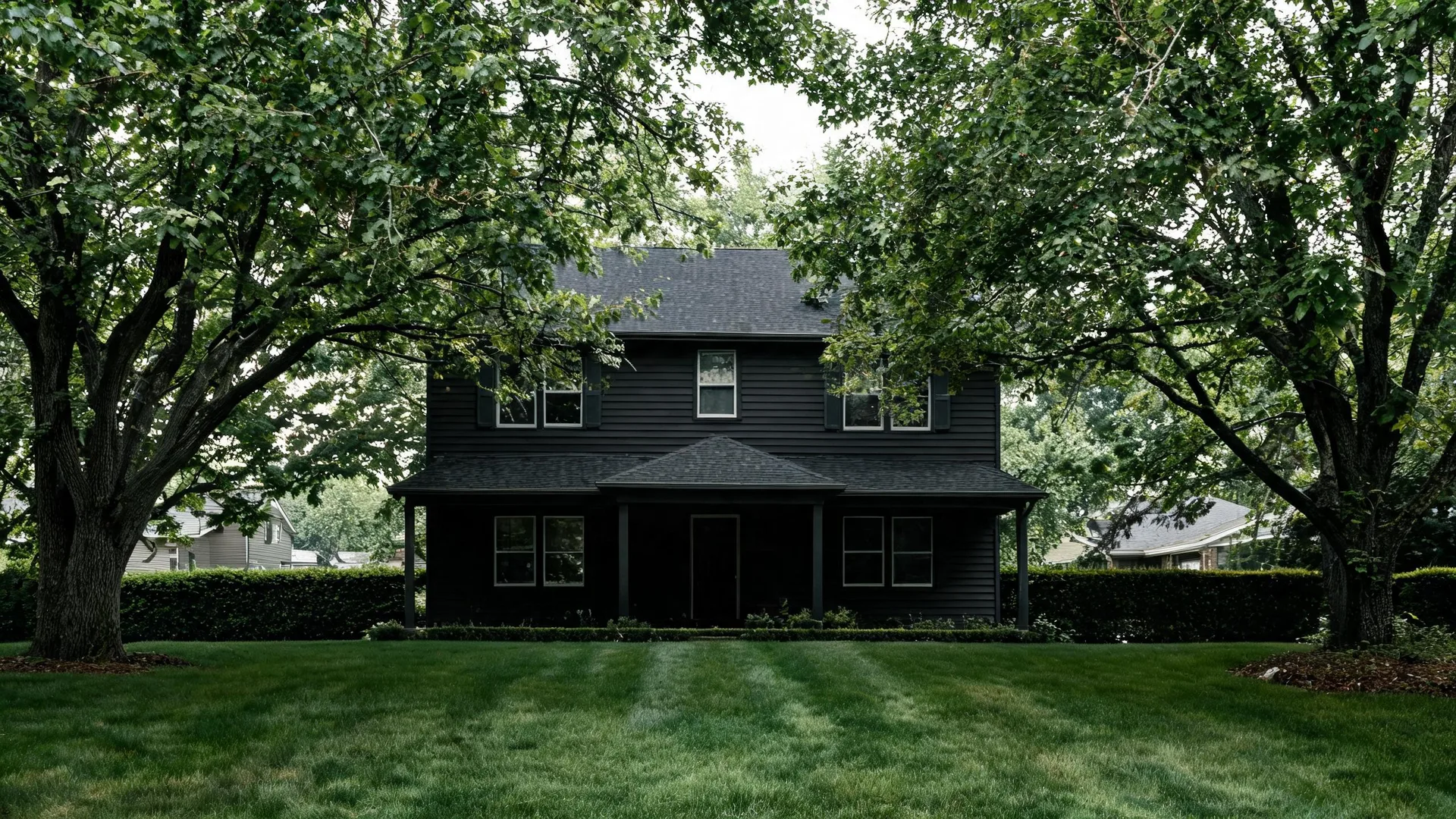





A two-story black-painted house with a covered front porch and gray shingled roof, framed by large deciduous trees and fronted by a mowed lawn and trimmed hedge.

Heat Pump Repair in Mount Vernon, IL

Tell us about the job

Takes about a minute. No obligation.

RepairHeat PumpJefferson County, IL
Step 1 of 2

What ZIP code is the job in?

Winters here are not brutal. The overnight low in December, January and February averages 26°F, which asks your heat pump to work but not to fight for its life every night. Summers ask the same kind of steady, moderate effort. A heat pump in Mount Vernon spends most of the year doing a normal job, not a punishing one. That means the one in your house has probably held up fairly well, and if something has gone wrong with it, age or a worn part is a more likely cause than years of strain. That's usually good news when you're deciding whether a repair is worth making.

7 months
October through April, your system heats
5 months
May through September, it cools
26°F
the average winter night it heats against
86°F
the average summer afternoon it cools against
Isometric illustration of a cutaway single-family house showing interior ductwork and an air handler, with an outdoor condenser unit connected by lines along the exterior wall.
Your system heats October through April and cools May through September.

NOAA nClimDiv, 1991–2020 normals

Heat pumps in Mount Vernon switch over to heat in October.

If yours is struggling now, in September, it's already telling you something before it has to work.

At 15.87 cents a kilowatt-hour, a heat pump that's struggling costs you all month long

Power costs 15.87 cents a kWh statewide
71 damaging wind events from 2015 to 2024
Winter nights average 26°F

A struggling heat pump keeps costing you until it's fixed

At 15.87 cents a kilowatt-hour, every day this one runs poorly adds to the bill. Get the real cause found so it's not costing you while you wait.

Find a contractor
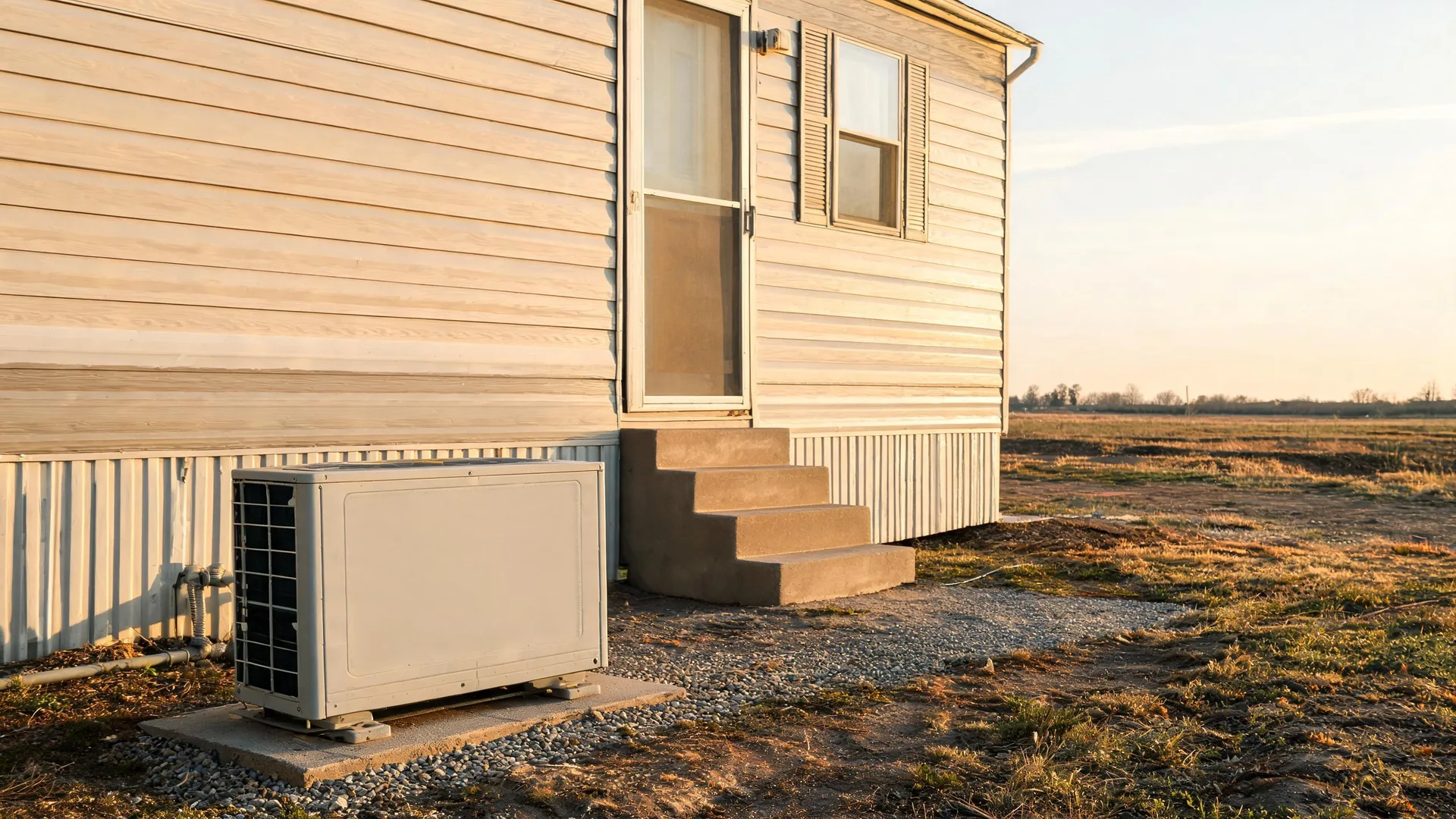
A residential heat pump outdoor unit mounted on a concrete pad next to a house with gray vinyl siding.

What actually breaks in a heat pump

A heat pump runs in both directions, and that gives it more ways to fail than a system that only cools. The reversing valve is the part unique to it. When that valve sticks, the system can get stuck heating when you asked for cooling, or it stops switching cleanly at all. The defrost control is another common failure point. It's supposed to clear frost off the outdoor coil on a schedule. When the sensor or the board behind it goes bad, frost builds up on the coil and chokes the airflow until the unit can't move enough heat either way. The outdoor coil and fan take the weather all year, so a bent fin, a seized fan motor, or a failed capacitor shows up there more than anywhere else in the system. Refrigerant charge matters more here too, since the system has to perform at both ends, hot days and cold nights. A unit running a little low on charge can still limp along in mild weather and then fall short the moment it has to work harder in either direction.

The signs are different going each direction

A heat pump in trouble on the cooling side blows air that isn't cold enough, or the outdoor fan runs while the indoor coil ices up. In heating mode, the same unit might blow air that feels barely warm, or run constantly without the house catching up. If you notice the system blowing room-temperature air no matter which mode it's in, that points at the reversing valve rather than anything else.
Short cycling and ice are worth calling in now

A heat pump that turns on and off every few minutes instead of running a full cycle is struggling to satisfy the thermostat, often from a failing capacitor or a refrigerant leak. Ice on the outdoor coil that doesn't clear on its own means the defrost control isn't doing its job. Both get worse the longer they run, so they're not something to wait out.

A failing capacitor or a low refrigerant charge doesn't fix itself by running longer. Short cycling puts the compressor through more start-up strain each time it kicks on, and that strain is what ends compressors. Ice on the outdoor coil works the same way in the other direction. Once frost builds up, it blocks airflow across the coil, so the system pulls harder to move the same amount of heat and the ice keeps spreading. A reversing valve that's starting to stick tends to get worse with cycles too, not better, until it stops switching at all. None of these settle down on their own. The part that's struggling now is doing more work than it should, and that's what wears it out the rest of the way.

A repair is worth making when the failure is one part doing a job it was built to do, and doing it badly. A capacitor, a sensor, a motor. Those are known quantities. A contractor can test one, price it, and tell you what you're getting. Replacement starts to make more sense when the compressor itself is the problem, since that's the part that moves the refrigerant and does most of the work, and it's not something anyone swaps out on its own. Age matters less than what's actually failed. A unit with a bad capacitor is still a unit with a bad capacitor, whether it's new or old. The question worth asking isn't how old the system is, it's whether the part that failed is one piece of the machine or the heart of it.