Electricity here runs 17.98 cents per kilowatt-hour
That is higher than what most US counties pay. A mini-split runs on electricity alone, so that rate applies to every hour it works.
Takes about a minute. No obligation.
That is higher than what most US counties pay. A mini-split runs on electricity alone, so that rate applies to every hour it works.
A mini-split that moves heat well uses less power to hit the same temperature. At this rate, the difference between a unit that runs efficiently and one that does not shows up on the bill every month, not just in summer.
NOAA nClimDiv, 1991–2020 normals
Gas heats 68.4% of homes in Livingston County.
A mini-split goes in alongside that furnace, built to carry the cooling and take some of the shoulder-season load.



Livingston County sits in climate zone 5A, a cool zone where the furnace carries more of the year than the mini-split does. Federal rules set the floor for what can be installed here. Any split-system heat pump built from 2023 onward has to deliver at least 14.3 Btu of cooling for every watt-hour it draws, and at least 7.5 Btu of heat the same way. A mini-split falls under that same rule, even though it has no ducts. That floor is a minimum, not a target, so units on the market range upward from it. A federal tax credit is available on qualifying equipment, on top of whatever it saves on the monthly bill.
Power here costs more than in most places, and a mini-split runs on nothing but electricity. Ask what efficiency rating a unit carries before you decide between models. That number follows the system onto every bill it touches, all year.
Find a contractor
Half the homes in Livingston County were built in 1961 or earlier. A mini-split going into a house that age is going into a house that wasn't built with one in mind. The walls, the windows, the layout, all of it was decided before heat pumps were part of the picture. That doesn't rule anything out, but it means the unit and the install have to answer to the house rather than the other way around. A system sized for a new build can miss badly in one built decades before it.
A contractor works out heat loss and heat gain for the specific space the mini-split will serve: the wall area, the window glass, the ceiling height, which way the room faces. That calculation points to a capacity. It has nothing to do with the size of the old system or a rule of thumb per square foot.
A unit too big for the room cools the air fast and shuts off before it pulls the moisture out, so the room feels clammy even at the set temperature. It also cycles on and off more, and a compressor that starts and stops all day wears faster than one that runs steady. Undersized just runs long. Oversized runs wrong.
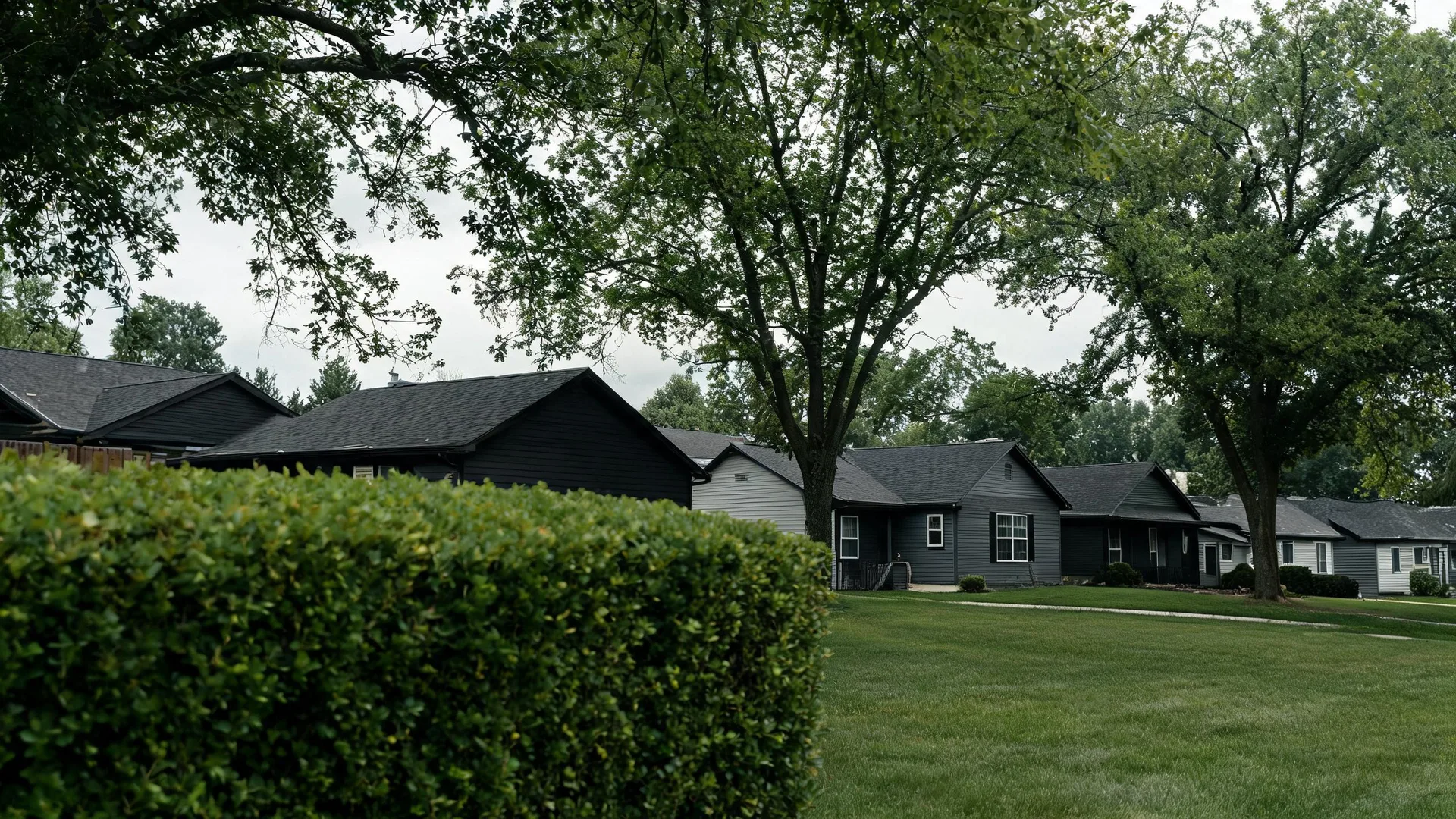
Comparing mini-splits means comparing more than the price on the quote. Ask how many zones the system supports and whether the outdoor unit can actually run that many indoor heads at once without starving the ones farthest from it. Ask about the turndown ratio, which is how low the compressor can throttle back on a mild day. A unit that can only run at full blast or off will overshoot the room and cycle hard, while one with a wide turndown range can hold steady at low output for hours. Ask what sound level each indoor head runs at, since that number is measured differently by different makers and isn't always easy to compare on paper. And ask what the warranty covers if the compressor fails versus if a line set was installed wrong, because those are two different problems with two different answers.
If the ductwork or furnace in your house is old enough to have been put in before anyone thought about a heat pump, that's worth saying out loud to whoever quotes the job. Half the houses in the county go back to 1961 or earlier, and a house that age usually has its own quirks: a wall that isn't where you'd put a line set today, a spot where the outdoor unit has nowhere obvious to sit. None of that stops the install. It just means the contractor needs to see the actual room before settling on a unit, not just the square footage. Ask them to walk the space and point out where the lines will run and why. A good answer there tells you more than the brochure does.