






A quiet residential street at dusk lined with illuminated two-story brick houses and mature trees.

AC Maintenance in Pontiac, IL

Tell us about the job

Takes about a minute. No obligation.

Tune-up, service, or cleaningCentral ACLivingston County, IL
Step 1 of 2

What ZIP code is the job in?

Electricity in Livingston County runs 17.98 cents per kilowatt-hour, more than most of the country pays. A dirty coil or a low charge makes the compressor run longer to cool the same house, and every extra minute shows up on that rate. The air here doesn't help. A dew point averaging 64°F through June, July and August means the unit is pulling moisture as well as heat, which is more work than dry air asks for. A system that's clean and properly charged does that work in less time. One that isn't just keeps drawing power to make up for it.

3 months
June through August, your air conditioner is on duty
83°F
the average summer afternoon it cools against
20 hail events
in ten years, and hail bends the fins on outdoor coils
62 wind events
in ten years, and wind drives debris into outdoor units
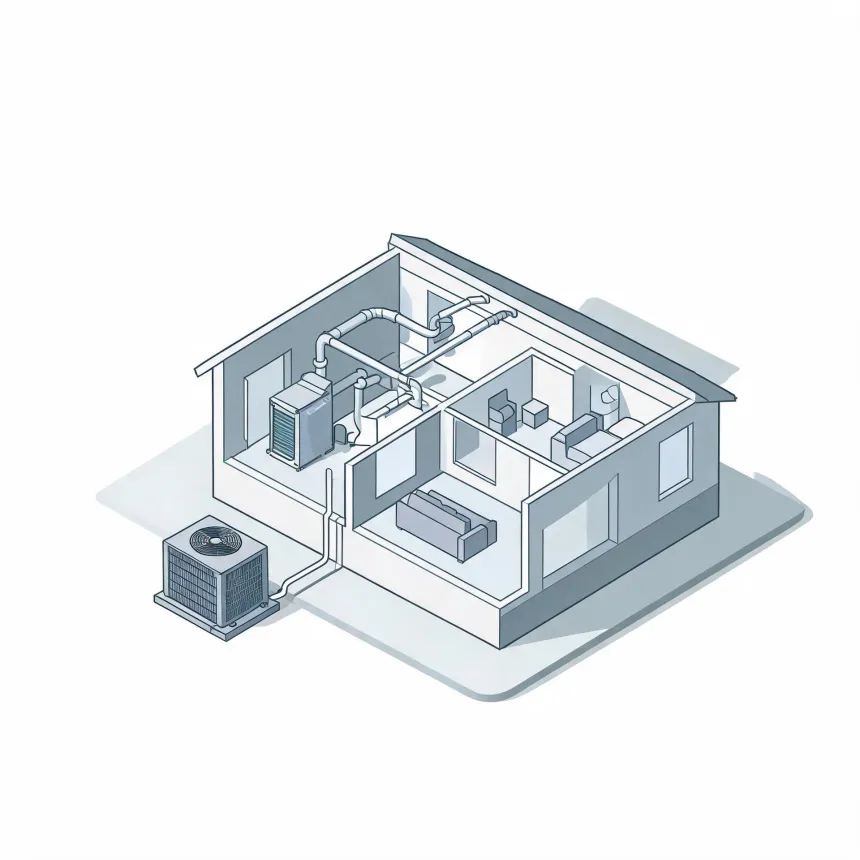
Isometric line illustration of a cutaway house showing interior rooms, a furnace or air handler with ductwork, and an outdoor condenser unit beside the building.
Your air conditioner works hardest from June through August.

NOAA nClimDiv, 1991–2020 normals

A tune-up that's just a filter swap and a glance at the outdoor unit doesn't tell you whether the coil is clean or the charge is right.

A thorough one checks refrigerant charge, washes the condenser coil, and tests the capacitor, because those are the parts that make the compressor work harder when they're off.

Half these systems are older than you'd guess, and age is where small problems hide

Half the homes here were built by 1961
Climate zone 5A
Power here costs 17.98 cents per kilowatt-hour
June Is When It Starts WorkingCooling runs June through August here. May is when to get it checked.

Half the houses in Livingston County were built in 1961 or earlier. If yours is one of them, the AC inside it has likely been swapped out at least once, and whatever the last owner did or didn't do for upkeep probably isn't written down anywhere. A yearly check gives you a starting point. The tech finds out now whether the charge is right and the coil is clean, not later in the summer when the compressor's been straining for weeks and the bill already shows it. Catching a weak capacitor or a slow refrigerant leak on a service visit costs you a part. Catching it when the system quits on a hot day costs you the day, plus whatever running low on charge did to the compressor while nobody was looking.

A System Running Clean Costs Less to Run

A tune-up gets the coil clean and the charge right before the compressor spends a summer working harder than it needs to pull the same heat and moisture out of the house. That's the difference that shows up on the power bill every month the system runs.

Find a contractor
A man in a dark long-sleeved shirt, cap, and tan work pants walks up concrete steps toward a teal front door, carrying a canvas tool bag in his right hand, with a potted shrub beside the porch.
A gray cylindrical air conditioning condenser unit mounted on a concrete pad next to a light-colored vinyl-sided house exterior.

What You Can Check, What You Shouldn't

Between visits, keep the area around the outdoor unit clear. Grass clippings, leaves, mulch and anything stacked against it block the airflow the condenser coil needs to shed heat. A couple feet of open space on every side is enough. Check the air filter and swap it when it looks gray or clogged, since a blocked filter starves the whole system of airflow and makes the evaporator coil work harder than it should. Keep an eye on the outdoor fan when the system is running. It should be spinning freely with no wobble or grinding sound. If you ever see ice on the indoor coil or the refrigerant line, shut the system off and let it thaw completely before running it again, because ice forming there usually means airflow or charge trouble that running it harder won't fix. Straighten any bent fins on the outdoor coil you can reach, gently, since crushed fins choke airflow the same as debris does. Beyond that, leave the refrigerant, the electrical connections and the capacitor to a tech. Those aren't maintenance, they're diagnosis, and guessing at them tends to turn a small problem into a bigger one.

Three Places Airflow Breaks Down

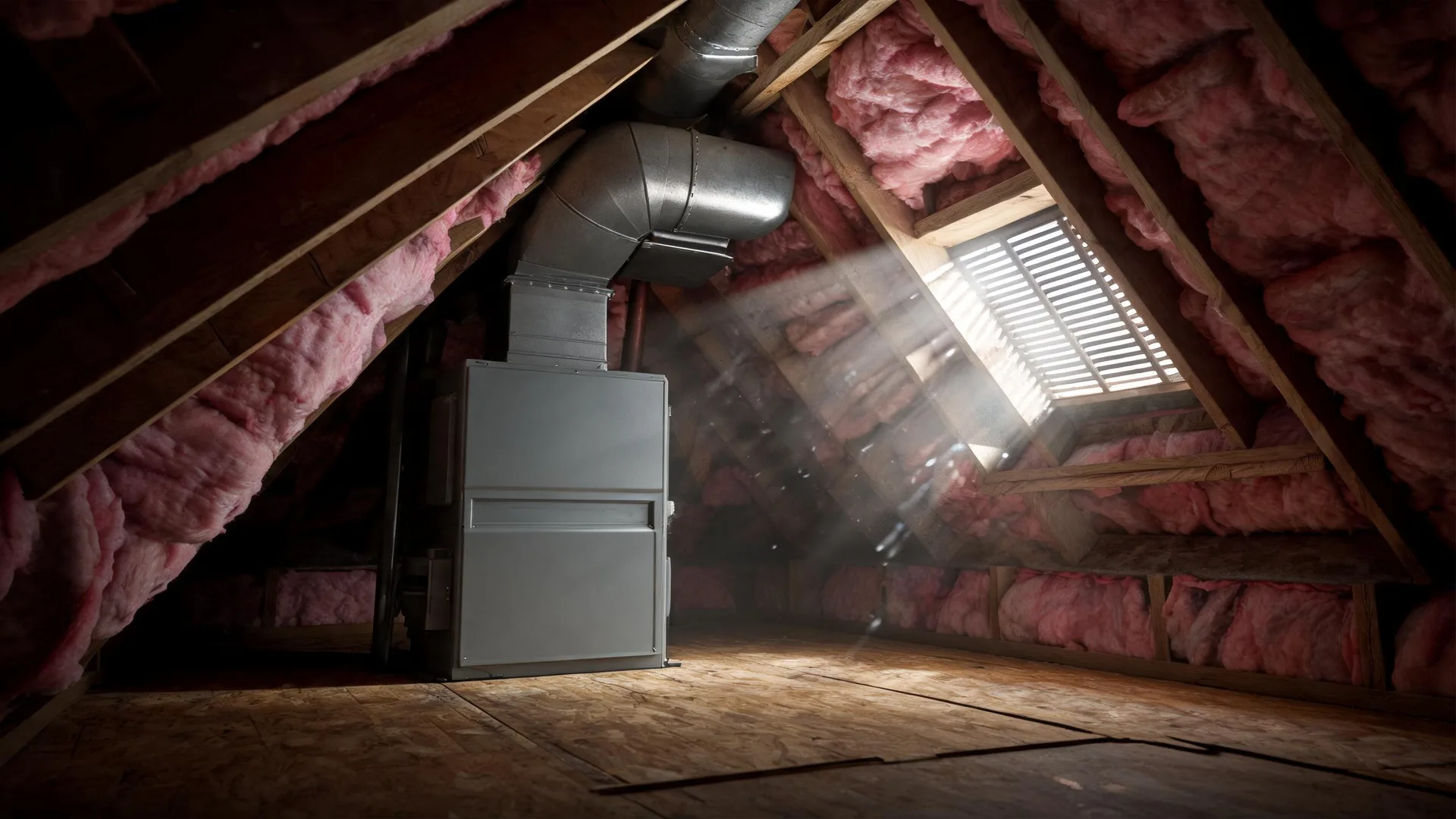
The filter, the indoor coil and the drain line all work as one path. A filter loaded with dust chokes off airflow before it ever reaches the coil. Once airflow drops, the evaporator coil can't shed the moisture it's pulling from the air, and that moisture has nowhere to go but down the drain line. Each piece depends on the one before it doing its job.

Why the Drain Line Matters as Much as the Coil

People think about the filter and forget the drain line entirely, but a clogged one backs up condensate into the system instead of carrying it outside. Algae and dust build up in that line the same way they build up anywhere water sits and moves slowly. A line that drains clean means the coil is actually removing the moisture it's supposed to, not just fighting to keep up.

Aerial view of a gray central air conditioning condenser unit on a concrete pad next to a house with vinyl siding.

Book your AC tune-up in May, before homes here start needing cooling in June.

  1. Jan
  2. Feb
  3. Mar
  4. Apr
  5. May
  6. Jun
  7. Jul
  8. Aug
  9. Sep
  10. Oct
  11. Nov
  12. Dec

A tune-up checks the refrigerant charge, cleans the coils, tests the capacitor and tightens the electrical connections.

A real tune-up starts with the refrigerant charge, checked against what the system calls for, not just topped off because the gauge looks low. Too little charge and the compressor runs long and still falls short. Too much and it can flood the compressor with liquid refrigerant that was never supposed to get past the coil. The tech also tests the capacitor and contactor, the parts that get the compressor and fan motors started and keep them running steady. A capacitor that's starting to fail still works, most days, but it makes the motor strain every time it kicks on, and that strain is what ends a motor early. Then the condenser coil gets washed clean, since a coil caked with dirt can't shed heat the way a clean one does, no matter how correct the charge is. Last comes the electrical side: connections checked for corrosion or looseness, since a loose connection generates its own heat and damages the parts around it over time.