Storms come through often
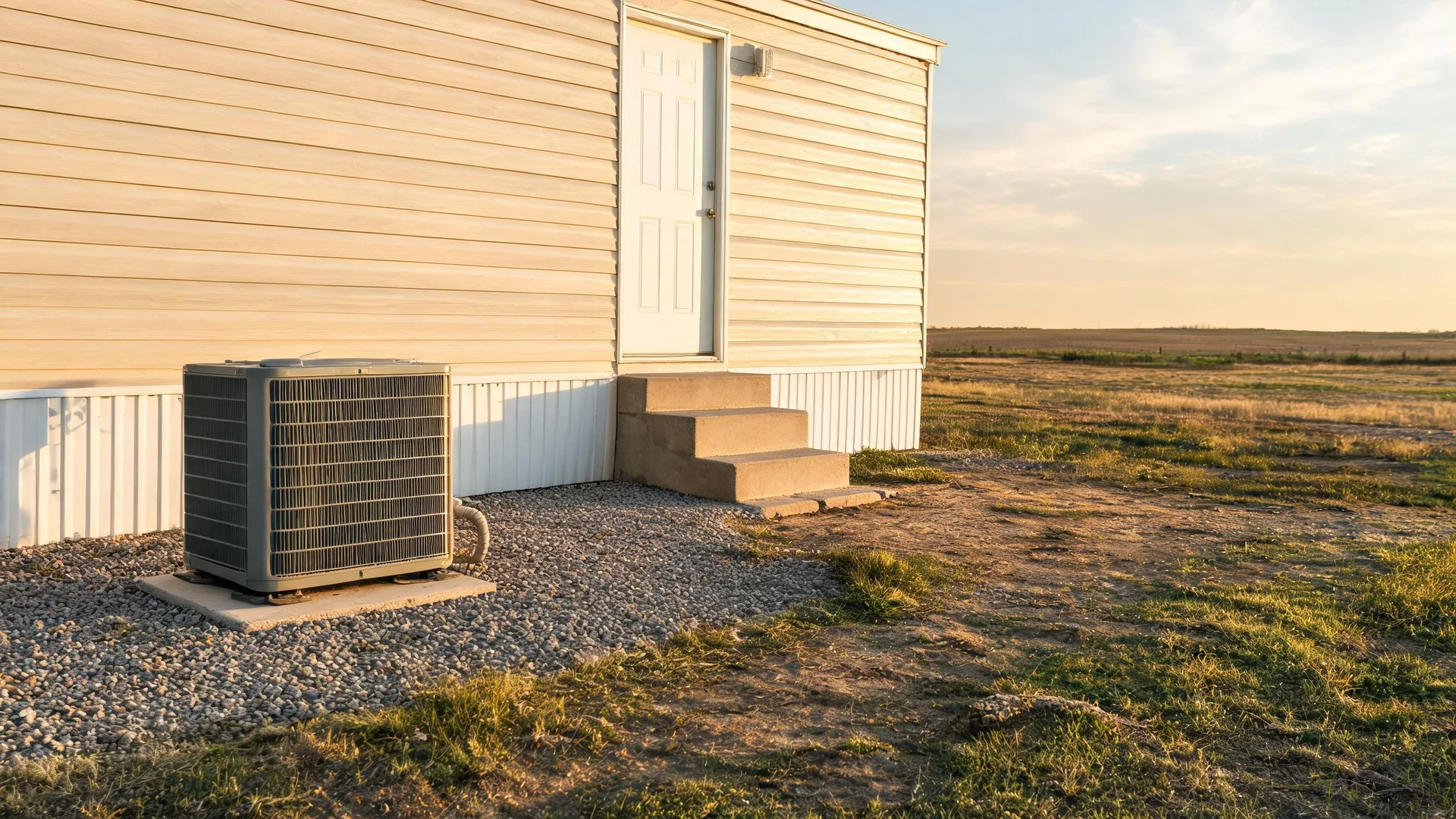
Vermilion County recorded 250 severe weather events between 2015 and 2024. That includes 163 damaging wind events, 70 hail events, and 9 tornadoes. An outdoor AC unit sits outside through all of it.
Takes about a minute. No obligation.
Vermilion County recorded 250 severe weather events between 2015 and 2024. That includes 163 damaging wind events, 70 hail events, and 9 tornadoes. An outdoor AC unit sits outside through all of it.
16% of Illinois households went at least 24 hours without power in 2024. A new air conditioner only runs when the power does, and the same outage can take out a gas furnace's igniter or a water heater's electronics.

NOAA nClimDiv, 1991–2020 normals
Half the homes in Vermilion County were built in 1957 or earlier.
An older house wasn't built around the AC system going into it now, so installing one here means fitting the equipment to the house, not the other way around.



Vermilion County falls under zone 5A in the 2021 energy code, a cool, humid zone where heating carries the bigger load but cooling still has to meet a federal floor. Any split-system central air conditioner installed here, under 45,000 Btu an hour, has to remove at least 13.4 Btu of heat for every watt-hour of electricity it uses over the summer. That's the federal minimum for units built from 2023 on, and it rules out older low-efficiency equipment still sitting in some supply houses. A federal tax credit is available on qualifying equipment, on top of that baseline. The standard narrows what can legally go into this house. It doesn't pick the unit for you.
Pick the install for what happens when the power drops, not just for the heat. That means asking where the outdoor unit sits and what could hit it, and whether you want any backup for heat and hot water when the grid goes down. Settle that now, while it's part of the install, not after a storm's already come through.
Find a contractorFour months of running time is only part of the job this unit has. Wind has hit this county 163 times between 2015 and 2024, hail 70 times, and the outdoor unit sits outside for every one of them. Ask where the installer plans to set the condenser and what could hit it there. That's a decision made at install, not after a storm's come through.
The size of the condenser and coil comes from a load calculation, not the size of the old unit. A contractor measures the house, the windows, the insulation, and picks equipment to match. Oversized equipment cycles on and off fast and never runs long enough to pull moisture out of the air. Undersized equipment runs constantly and still can't keep up on the hottest days. Getting the size right is what makes the rest of the installation worth paying for.
A straight swap of the outdoor unit and coil is a simple job if the ducts already move enough air. If the ducts are too small, leaky, or routed poorly, the new system has to fight them, and that means modifying or replacing sections before the new equipment can do its job. A contractor who skips checking the ducts is setting the new unit up to underperform no matter how good it is.
Estimates for a typical Vermilion County home, from EIA household energy data, Illinois fuel prices and NOAA climate normals. Your home will differ.
Install day starts outside, not in the living room. The crew sets the new condenser on its pad, runs the refrigerant lines, and wires it to its own disconnect. Inside, the coil goes in above the furnace or air handler, matched to that outdoor unit so the system holds the charge it was designed for. Every joint gets brazed and then pressure tested, because a slow leak now means no cooling months from now and a return visit to find it. Once the system holds pressure, the lines get insulated, the area gets cleared out, and the whole system runs through a cycle while the installer checks airflow and temperature split before calling the job done. None of that depends on the brand sitting in the driveway. It depends on whether each step got done right before the next one started.