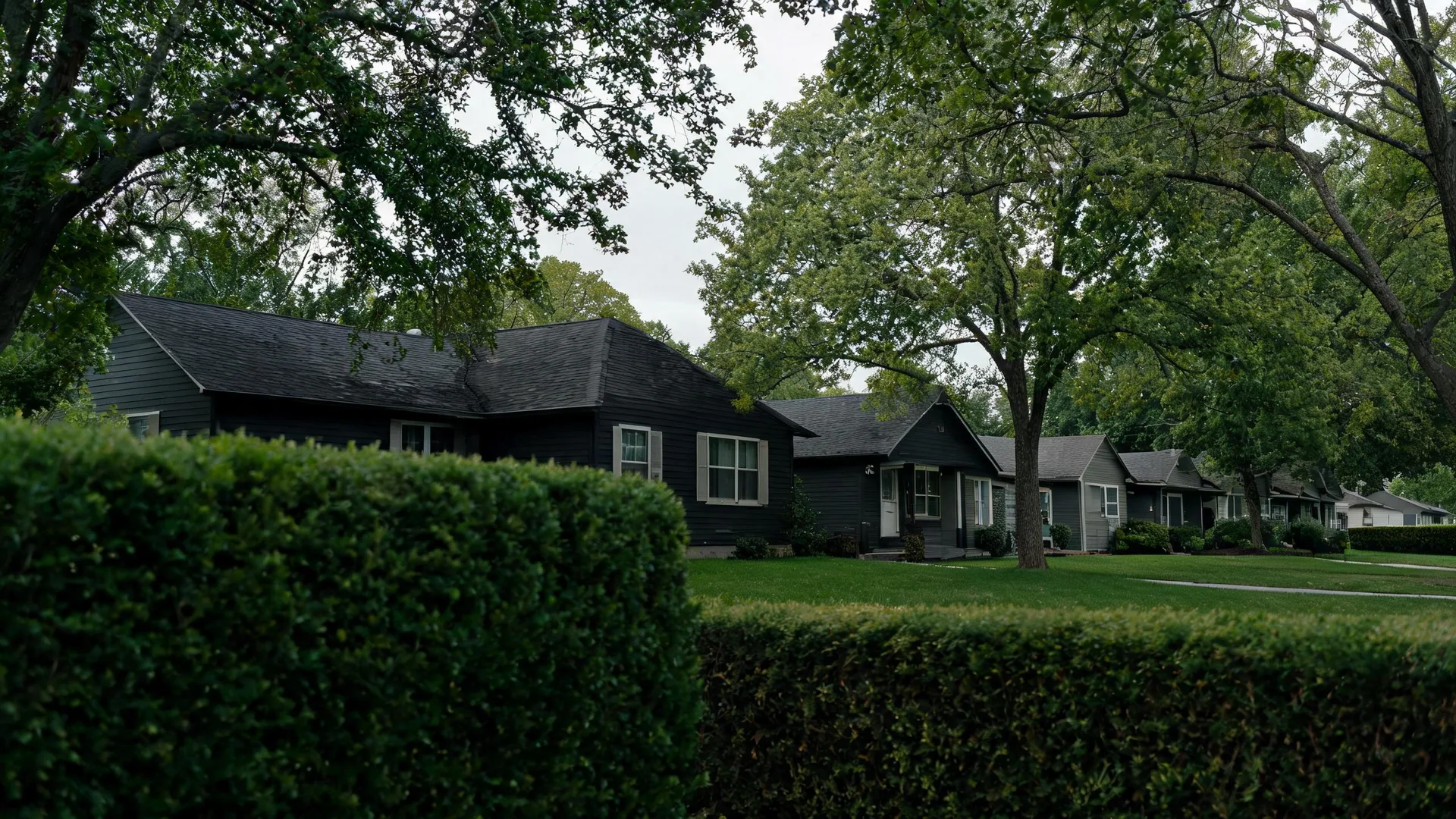





A row of dark-painted single-story houses with lawns and large deciduous trees, seen behind a tall trimmed hedge.

AC Installation in Ottawa, IL

Tell us about the job

Takes about a minute. No obligation.

New system or replacementCentral ACLaSalle County, IL
Step 1 of 2

What ZIP code is the job in?

Gas heats 76.1% of homes in LaSalle County, more than any other fuel, and most of those homes run a furnace paired with a separate central air conditioner rather than an all-electric heat pump. That matters when you're installing AC. The system goes in on its own, tied into the furnace through the same ductwork and often the same coil location, but it doesn't change how the house is heated. Electricity and bottled or LP gas heat the rest of the homes here, and for those houses too, central air is its own project, sized and installed apart from whatever heats the place. For most homeowners in Ottawa, matching a new AC to the gas furnace already in the house is the straightforward path.

3 months
June through August, your air conditioner is on duty
83°F
the average summer afternoon it cools against
39 hail events
in ten years, and hail bends the fins on outdoor coils
13.4 SEER2
the federal minimum any new unit must meet
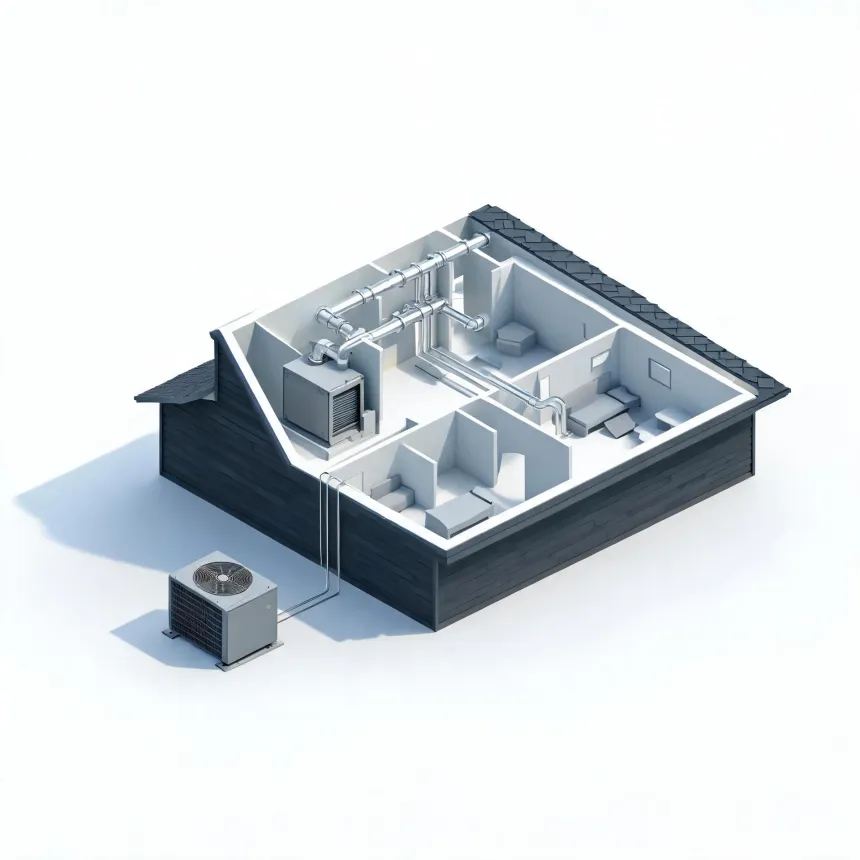
Isometric 3D cutaway render of a house with dark siding showing interior rooms, ductwork and an air handler, connected by lines to an outdoor condenser unit on a white background.
Your air conditioner works hardest from June through August.

NOAA nClimDiv, 1991–2020 normals

Half the homes in LaSalle County were built in 1963 or earlier.

A new AC has to work with the ductwork and layout already there, not the other way around.

The weather here is hard on a system. The size of it isn't.

206 severe weather events from 2015 to 2024
16% of homes statewide lost power a day or more in 2024
124 damaging wind events from 2015 to 2024

LaSalle County sits in climate zone 5A, a cool zone where the furnace carries more of the year's work than the AC does. That classification comes with a floor on efficiency. Any split system under 45,000 Btu an hour built from 2023 onward has to hit at least 13.4 SEER2, the federal minimum, and that number sets what a contractor can legally install here. It's not a target to aim for. It's the baseline every unit on the market already clears. What it does for you is narrow the field to equipment built to hold up against both a humid summer and a real winter, rather than one built for a milder climate somewhere else.

Have it installed before June, not during it

Cooling runs June through August here. May is the month to have the new system in place, not the month to start calling around. Installing before the season starts means the sizing gets done right and the job happens before the first hot stretch asks anything of it.

Find a contractor
A man in a dark cap, olive jacket and tan work pants carries a worn canvas tool bag up steps toward a dark green front door, with a potted shrub to the left.
A gray residential air conditioner condenser unit mounted on a concrete pad in an open grass field.

Three Months of Work a Year

Three months of the year, this system runs: June through August, with afternoon highs averaging 83°F. The rest of the year it sits idle while the furnace carries the house. That's not a long season compared to what AC has to do in warmer states, but it's a demanding one. Wind and hail both hit this county often enough that an outdoor condenser spends its working months exposed to real weather, not just heat. None of that changes what size unit the house needs. A standard system, sized to the house and built to the SEER2 floor already covers both the short, muggy summer and whatever the season throws at the unit sitting outside.

The SEER2 number is about the season, not the hot day

SEER2 measures how much cooling a system delivers over a whole summer for the electricity it uses, averaged across mild days and brutal ones. It isn't a measure of how cold the air gets or how fast the house cools down. Two systems can feel identical on the hottest afternoon and still use very different amounts of power over the full season, and that difference is what the rating is telling you.

A higher number only pays off if the rest of the install is right

The rating is tested at a fixed airflow, a fixed duct setup, a fixed refrigerant charge. A high-SEER2 condenser hooked to undersized ductwork, a bad charge, or a coil it wasn't matched to won't deliver the number on its label. The equipment earns its rating only when the person installing it sizes it to the house and sets the charge and airflow the way the system calls for.

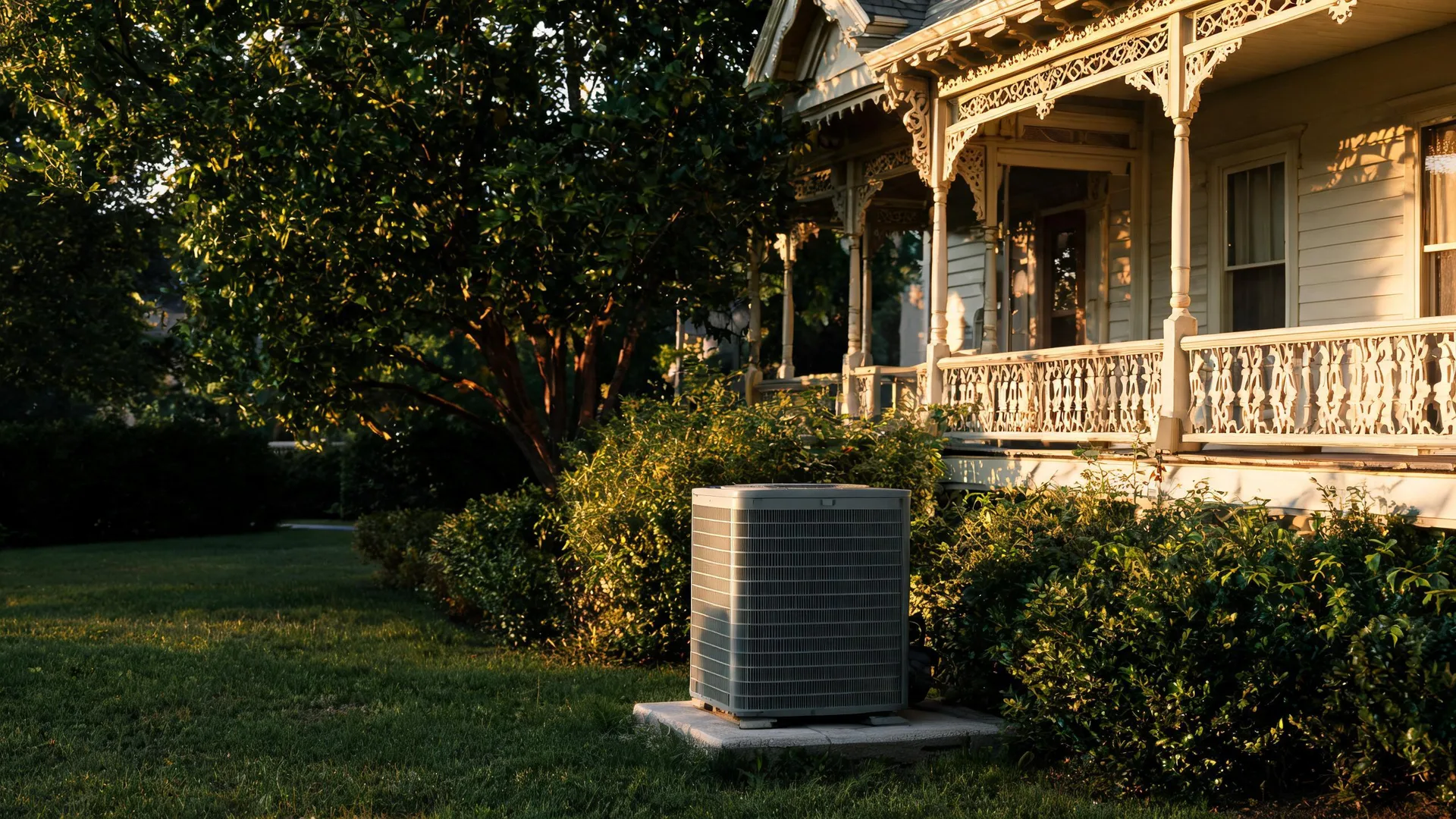
An outdoor air conditioning condenser unit on a concrete pad next to the gray vinyl siding of a residential home.

A higher-efficiency unit would save about $30 a year to run in LaSalle County compared with a new unit at the federal minimum.

  • A higher-efficiency unit$190 a year
  • A new unit at the federal minimum, 13.4 SEER2$220 a year

Estimates for a typical LaSalle County home, from EIA household energy data, Illinois fuel prices and NOAA climate normals. Your home will differ.

Installation starts with the old equipment coming out, if there is any: the condenser outside, the coil in the plenum above or beside the furnace. The installer runs new line set if the old one doesn't match the new system's refrigerant or sizing, since reusing copper that's the wrong diameter or has old residue in it can cause problems down the line. The coil goes in the plenum, sized to match the condenser going outside. Once both pieces are in place, the lines get connected, pressure tested for leaks, then pulled down into a vacuum to clear out air and moisture before any refrigerant goes in. Charging comes next, weighed in or adjusted against the manufacturer's charts for the line length and conditions that day. Airflow gets checked too, because a coil that's choked for air won't cool right no matter how correct the charge is. Last comes startup: checking the thermostat talks to the new equipment, confirming the condenser cycles on and off the way it should, and checking the temperature drop across the coil to make sure it's pulling heat out of the air the way it's supposed to.