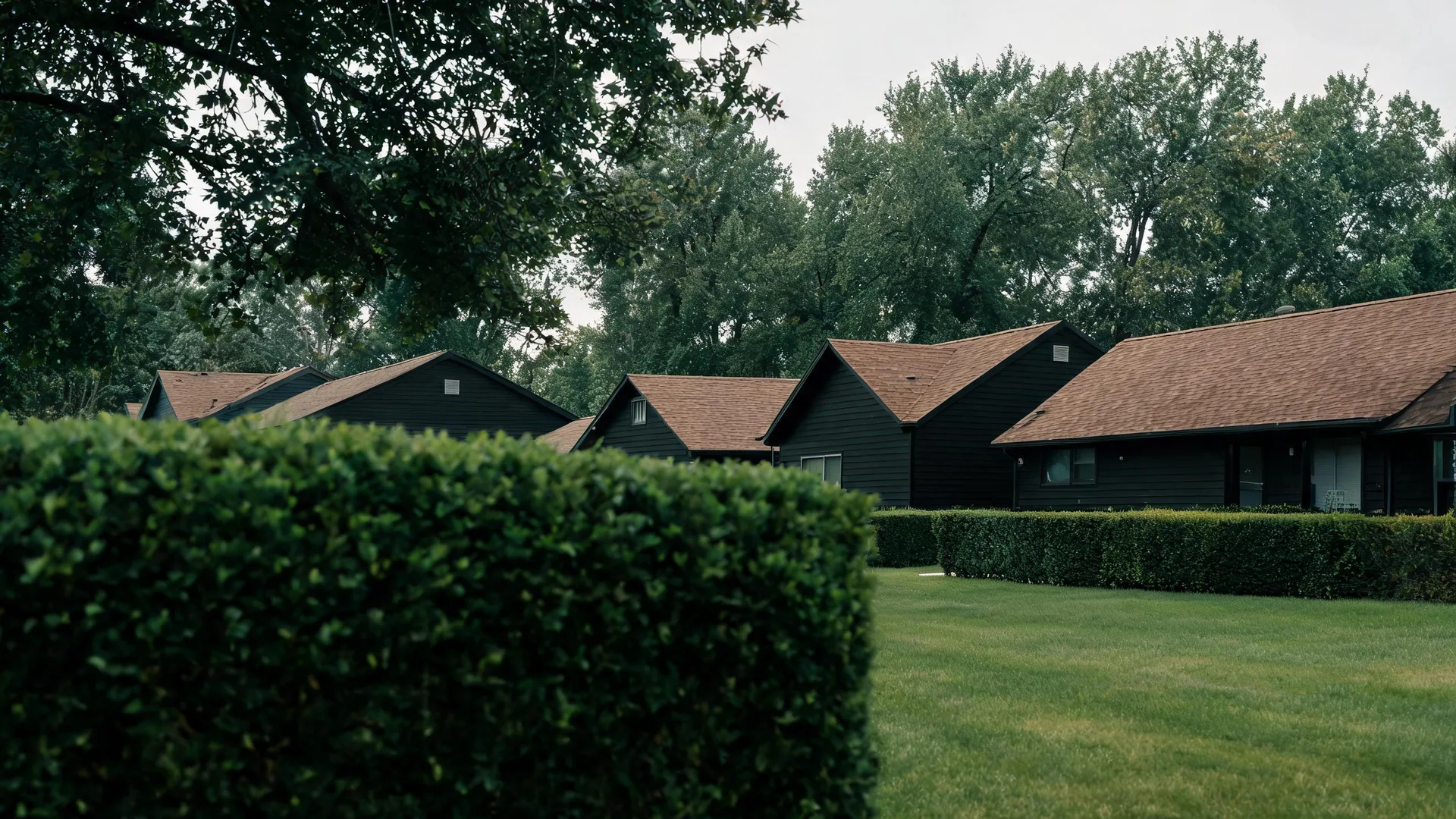





A row of dark-sided buildings with brown shingled gable roofs behind trimmed hedges, with a mown lawn in the foreground and leafy trees under an overcast sky.

AC Installation in Bloomington, IL

Tell us about the job

Takes about a minute. No obligation.

New system or replacementCentral ACMcLean County, IL
Step 1 of 2

What ZIP code is the job in?

Electricity in McLean County averaged 17.61 cents per kilowatt-hour in 2025, higher than in most US counties. An air conditioner here runs on that rate every time it cycles on. The dew point averages 64°F through June, July and August, which is the heavy, sticky air that makes a system work harder to pull moisture out along with heat. Put those two together and the unit's efficiency stops being a spec on a sheet and starts showing up on the bill every month. A system sized and installed right for this air handles that load without wasting the power you're paying extra for.

4 months
June through September, your air conditioner is on duty
84°F
the average summer afternoon it cools against
47 hail events
in ten years, and hail bends the fins on outdoor coils
13.4 SEER2
the federal minimum any new unit must meet
Isometric cutaway illustration of a single-story house showing interior ductwork and an air handler connected by lines to an outdoor condenser unit on a pad beside the building.
Your air conditioner works hardest from June through August.

NOAA nClimDiv, 1991–2020 normals

Utility gas heats 70.6% of homes in McLean County.

If gas already runs the furnace, the new AC just needs to match the coil and ductwork already there.

Four months a year, but June through September is all it gets

Cooling runs June through September
Climate zone 5A
Power here costs 17.61 cents per kilowatt-hour

Any new split-system AC installed here has to meet 13.4 SEER2 at minimum, the federal floor for units under 45,000 Btu an hour built from 2023 on. McLean County sits in climate zone 5A, a cool zone where the furnace carries more of the year's work than the AC does, but the cooling side still has to meet code. That floor is the baseline, not a ceiling. Some units on the market are built well above it, and a federal tax credit is available for qualifying high-efficiency equipment. Whatever gets installed, it has to clear 13.4 SEER2 before it's legal to put in.

Get the size and the install right, and the efficiency is real

Power here costs more than in most places, and an air conditioner draws on that rate all summer. The fix is matching the system to the home: sized right for this air, installed on ductwork that fits. Get that right and the efficiency on the spec sheet is what actually shows up on the bill.

Find a contractor
A gray residential air conditioning condenser unit mounted on a concrete pad outdoors, surrounded by green grass under a partly cloudy blue sky.

What to ask before you pick one

Ask how long each contractor expects the system to last, and what wears out first. A compressor that runs within its rated range for its whole life is different from one that gets oversized and short cycles for years before it fails. Ask what the warranty actually covers: parts only, or parts and the labor to put them in. A parts warranty without labor coverage can still leave a real bill if something fails early. Ask what maintenance the system needs to hit the lifespan quoted, because a unit that needs the coil cleaned and the refrigerant charge checked every year will not get there on its own. And ask what happens to efficiency as the unit ages. Every system loses some capacity over time as coils pick up dust and connections loosen. A system installed right loses less of it, and stays closer to its rated output for longer.

Load calculation sets everything else

A contractor has to work out how much heat the house actually gains before picking a unit. That means measuring the square footage, checking window area and orientation, and looking at insulation. Skip that step and the installer is just guessing at a size. Guess too big and the unit short cycles, cooling the air fast without running long enough to pull moisture out. Guess too small and it runs constantly without ever catching up on the hottest days.

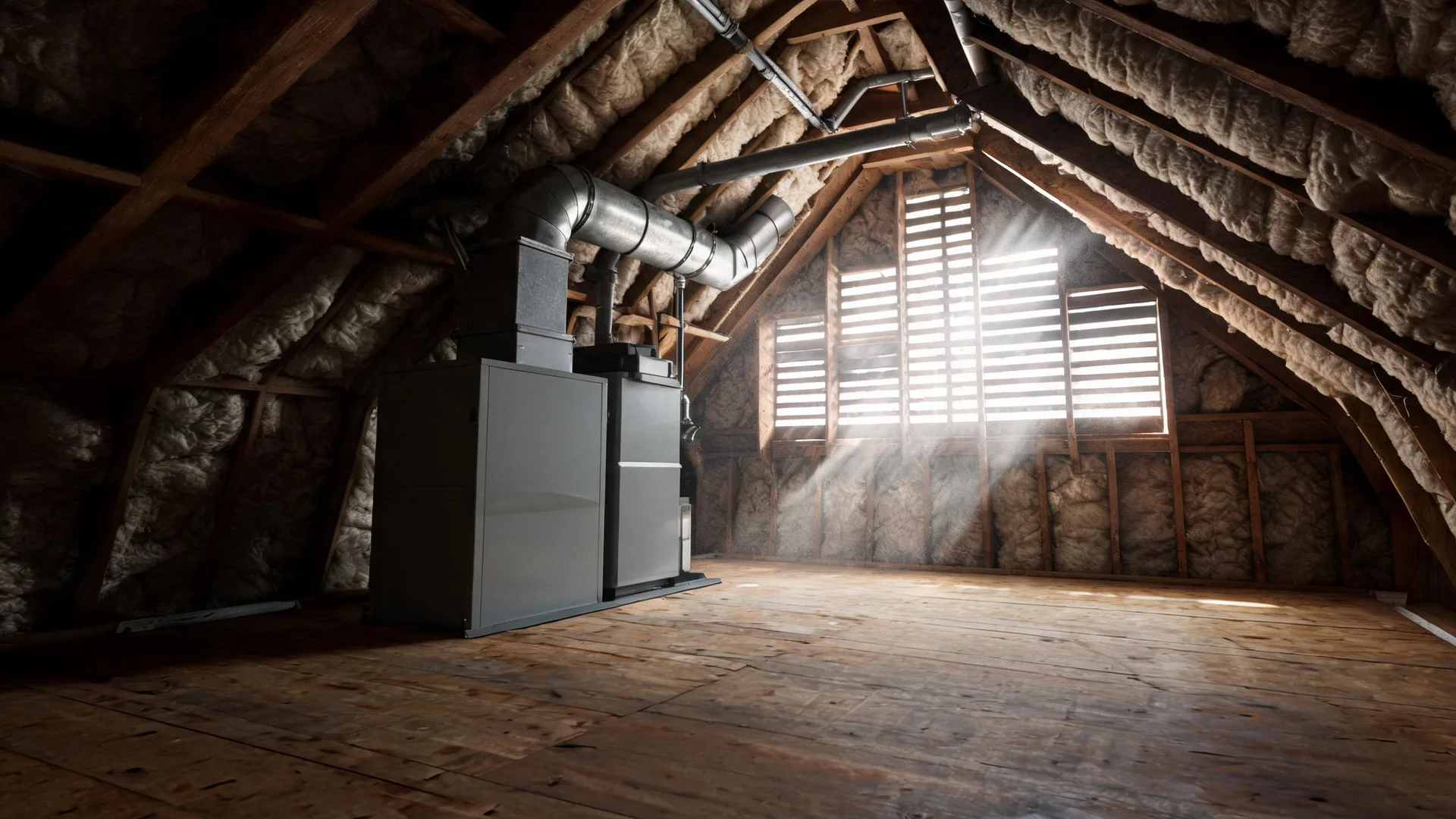
The ductwork decides what you're buying into

A new condenser paired with old, leaky, or undersized ducts will never deliver the capacity printed on its spec sheet. Air has to move through the trunk lines and branches at the rate the system is designed for, or it loses pressure and the rooms farthest from the air handler stay warm. Sealing joints, fixing crushed flex runs, and resizing a return that's too small often matter more to how the house feels than which unit gets set outside.

An outdoor central air conditioning unit mounted on a concrete pad beside a blue-sided house at sunset.

A higher-efficiency unit would save about $30 a year to run in McLean County compared with a new unit at the federal minimum.

  • A higher-efficiency unit$210 a year
  • A new unit at the federal minimum, 13.4 SEER2$240 a year

Estimates for a typical McLean County home, from EIA household energy data, Illinois fuel prices and NOAA climate normals. Your home will differ.

Installation day starts with the old equipment coming out. The refrigerant gets recovered from the existing system before anything is disconnected, since it can't legally be vented into the air. Once the old condenser and coil are out, the real work is in what connects the new ones: the line set gets checked or replaced, the electrical disconnect and circuit get matched to the new unit's draw, and the condensate drain gets run with the right slope so water leaves the coil instead of pooling in it. The new coil has to seat on the furnace or air handler correctly, and the refrigerant lines get brazed, pressure tested, and pulled into a vacuum to clear out air and moisture before any charge goes in. Only after the vacuum holds does the system get charged to the weight the manufacturer specifies for that line length. The last part of the day is running the system through a full cycle, checking the temperature split across the coil and the pressures on both sides, to confirm it's actually performing the way the spec sheet says it should.