





A row of illuminated two-story brick houses with front porches and mature trees photographed at twilight.

AC Installation in Morris, IL

Tell us about the job

Takes about a minute. No obligation.

New system or replacementCentral ACGrundy County, IL
Step 1 of 2

What ZIP code is the job in?

Illinois homes paid 15.87 cents per kilowatthour in 2024. That's the number your new AC runs against every time it cycles on, all summer long. A unit that holds its efficiency rating does real work keeping that cost down over the life of the system. One that's oversized or poorly matched to your house will cycle more than it should and you'll pay that rate more often than you need to. Ask what SEER2 rating the installer is quoting, and ask how they sized it for your square footage, not just the unit that was on the truck.

3 months
June through August, your air conditioner is on duty
83°F
the average summer afternoon it cools against
11 hail events
in ten years, and hail bends the fins on outdoor coils
13.4 SEER2
the federal minimum any new unit must meet
Isometric cutaway illustration of a house showing interior ductwork, an air handler, and an outdoor condenser unit connected by lines, with simple furniture in the rooms.
Your air conditioner works hardest from June through August.

NOAA nClimDiv, 1991–2020 normals

A straightforward swap, same ductwork, same spot outside, costs less than a job that needs new line set or duct changes.

If the new unit is a different size or type than the old one, the installer has to account for that before quoting the job.

Cooling starts in June. Get it installed in May.

Cooling runs June through August
Summer afternoons average 83°F
54 damaging wind events from 2015 to 2024

Grundy County sits in zone 5A, a cool climate where heating does more work than cooling over the year. That doesn't change what a new AC has to meet here. Any split-system unit under 45,000 Btu/h built from 2023 on has to hit at least 13.4 SEER2, same as everywhere else in the country. That's the floor a contractor quotes, not an upgrade you're paying extra for. Going higher is your call, based on what you want to pay each summer. A unit rated below 13.4 SEER2 doesn't meet code here, whatever it costs.

Your ductwork is already set up for this

Gas heats 77.4% of homes in Grundy County, more than any other fuel here. Those furnaces already run with ductwork in place, and central AC uses that same ductwork. Pairing the two keeps the install straightforward instead of adding a rework to the job.

Find a contractor
A gray residential air conditioner condenser unit mounted on a concrete pad in an open grass field.

The rating is a starting point, not a guarantee

That SEER2 number on the label is measured new, in a lab, under set conditions. What the unit actually holds onto out in the field depends on how well it keeps running the way it was built to run. A clean coil, correct refrigerant charge, and steady airflow across the filter all keep it working close to that rating. Let the coil go dirty or the charge drift low and the unit has to run longer to move the same heat, no matter what number is stamped on the side. Efficiency isn't something a unit has once and keeps. It's something it holds onto, or doesn't, one season at a time.

Sizing runs off a load calculation, not square footage alone

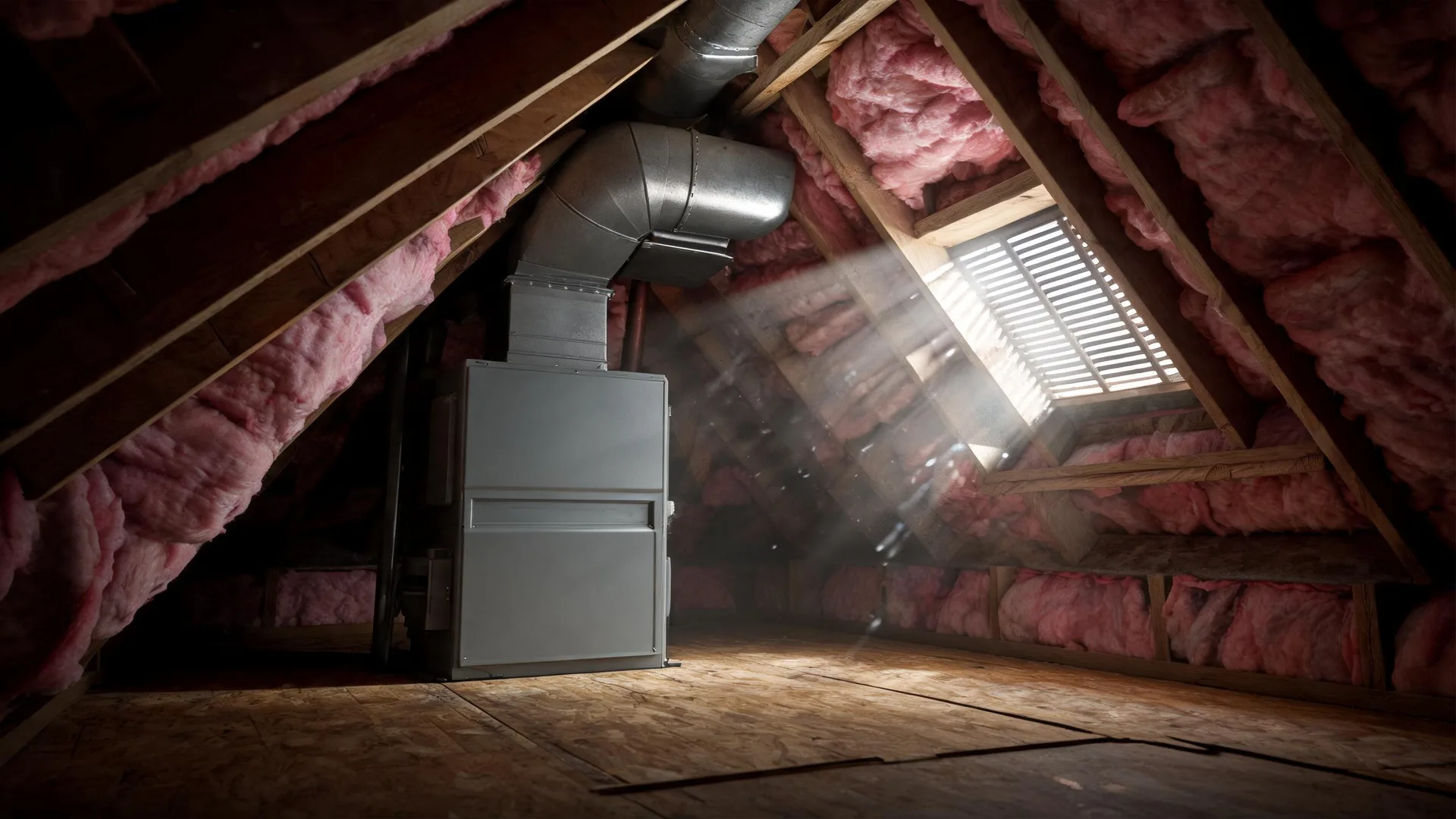
A contractor works out the right size by running a load calculation on the house. That means weighing how much window area faces the sun, how much insulation is in the attic and walls, how much heat the people and appliances inside add, and how the rooms are laid out. Houses close in size can still need different tonnage once those factors are weighed. Picking a unit by square footage alone, or matching whatever was on the truck, skips that work.

Oversized cools the air without finishing the job

A system that's too big drops the temperature fast and shuts off before it's pulled the humidity out of the air. That short cycle repeats through the day, and it puts more wear on the compressor while leaving the house feeling damp even at the temperature you set. A correctly sized unit runs longer, lower cycles that finish drying the air along with cooling it.

Aerial view of a gray central air conditioning condenser unit on a concrete pad next to a house with vinyl siding.

A higher-efficiency unit would save about $30 a year to run in Grundy County compared with a new unit at the federal minimum.

  • A higher-efficiency unit$200 a year
  • A new unit at the federal minimum, 13.4 SEER2$230 a year

Estimates for a typical Grundy County home, from EIA household energy data, Illinois fuel prices and NOAA climate normals. Your home will differ.

Install day starts with the old equipment coming out, not the new unit going in. The outdoor unit gets disconnected and the indoor coil pulled, then the line set gets checked, and most of the time it's reused rather than replaced if it's sound and the right diameter for the new system. Once the new coil and condenser are set, the technician pulls a vacuum on the line set to clear out moisture and air before any refrigerant goes in. That vacuum has to hold, not just hit a number for a second. After that comes the charge, weighed in to spec rather than guessed by feel, then a run of the system checking suction and head pressure, airflow at the vents, and the thermostat cycling it properly. A unit can be bolted together and still not be done right until someone's verified it's moving the air and holding the charge it's supposed to.