






A row of dark-painted single-story houses with gray shingled roofs behind a tall trimmed hedge, with mown lawn, a walkway, and leafy trees under an overcast sky.

AC Installation in Crystal Lake, IL

Tell us about the job

Takes about a minute. No obligation.

New system or replacementCentral ACMcHenry County, IL
Step 1 of 2

What ZIP code is the job in?

Gas heats 85 percent of the homes in McHenry County, and that matters for central air too. The AC side of a gas furnace setup uses the same ductwork and the same air handler to move cooled air through the house. If your home already has a gas furnace, central air usually means adding a coil and an outdoor condenser to work with what's there, not rebuilding the system from scratch. That's the common setup around Crystal Lake, and it's worth knowing before you start comparing quotes.

3 months
June through August, your air conditioner is on duty
81°F
the average summer afternoon it cools against
45 hail events
in ten years, and hail bends the fins on outdoor coils
13.4 SEER2
the federal minimum any new unit must meet
Isometric cutaway illustration of a single-story house showing interior ductwork and an air handler connected by lines to an outdoor condenser unit on a pad beside the building.
Your air conditioner works hardest from June through August.

NOAA nClimDiv, 1991–2020 normals

A standard central air system is sized to the house, not the county.

Crystal Lake doesn't call for an oversized unit or a higher efficiency tier, so a correctly sized system is the right fit at 15.87 cents per kilowatt-hour.

May is when to put in a new system, before June asks it to work

Cooling runs June through August
Summer afternoons average 81°F
140 damaging wind events from 2015 to 2024
Three months of summer, one job to doCooling here runs June through August, with afternoons averaging 81°F.

Weather is the other thing worth sizing around, and it points the same direction as everything said above. McHenry County has seen its share of severe weather, mostly wind and hail rather than anything that calls for special equipment. A standard condenser mounted and anchored correctly handles wind fine. Hail is a cosmetic risk to the fins more than a functional one. None of this changes what size or tier of system makes sense for the house. It's a reason to have the unit installed properly, not a reason to size up.

A new system here just needs to meet the standard

Any new split system going in here has to meet 13.4 SEER2 at minimum, the federal baseline for this size of equipment. Zone 5A puts the heavier demand on heating, so the AC side doesn't need to go beyond that standard to make sense for the house.

Find a contractor
A man in a cap, navy T-shirt and brown work pants, seen from behind, carries a worn canvas tool bag up steps toward a dark teal front door beside a potted shrub.
A gray metal air conditioning condenser unit mounted on a concrete pad in a flat grassy field under a partly cloudy sky.

What's under the number on the quote

What drives the cost of an installation is mostly the parts of the job you can't see in a quote at a glance. Matching the new coil to the condenser matters more than the condenser alone, since a mismatched pair runs the whole system below its rating. Line set length and condition count too. Old copper lines carrying the wrong refrigerant for new equipment usually get replaced rather than reused, and that adds labor hours a straight swap wouldn't. If the air handler or ductwork needs modification to handle the new coil, that's more time on site. Where the condenser sits, how far it runs to the electrical panel, and whether the disconnect box meets current code all add or subtract steps. None of this is optional work tacked on to raise the price. It's what makes a new system actually perform at the rating on its label instead of just resembling the old one.

The rating is a season average, not a worst-day number

The efficiency rating on a new system is measured across a range of conditions, not on the hottest afternoon of the year. A system can carry that rating and still work harder than the label suggests when it's under real load. What the number is good for is comparing one system's running cost against another, not predicting what either one does on its toughest day.

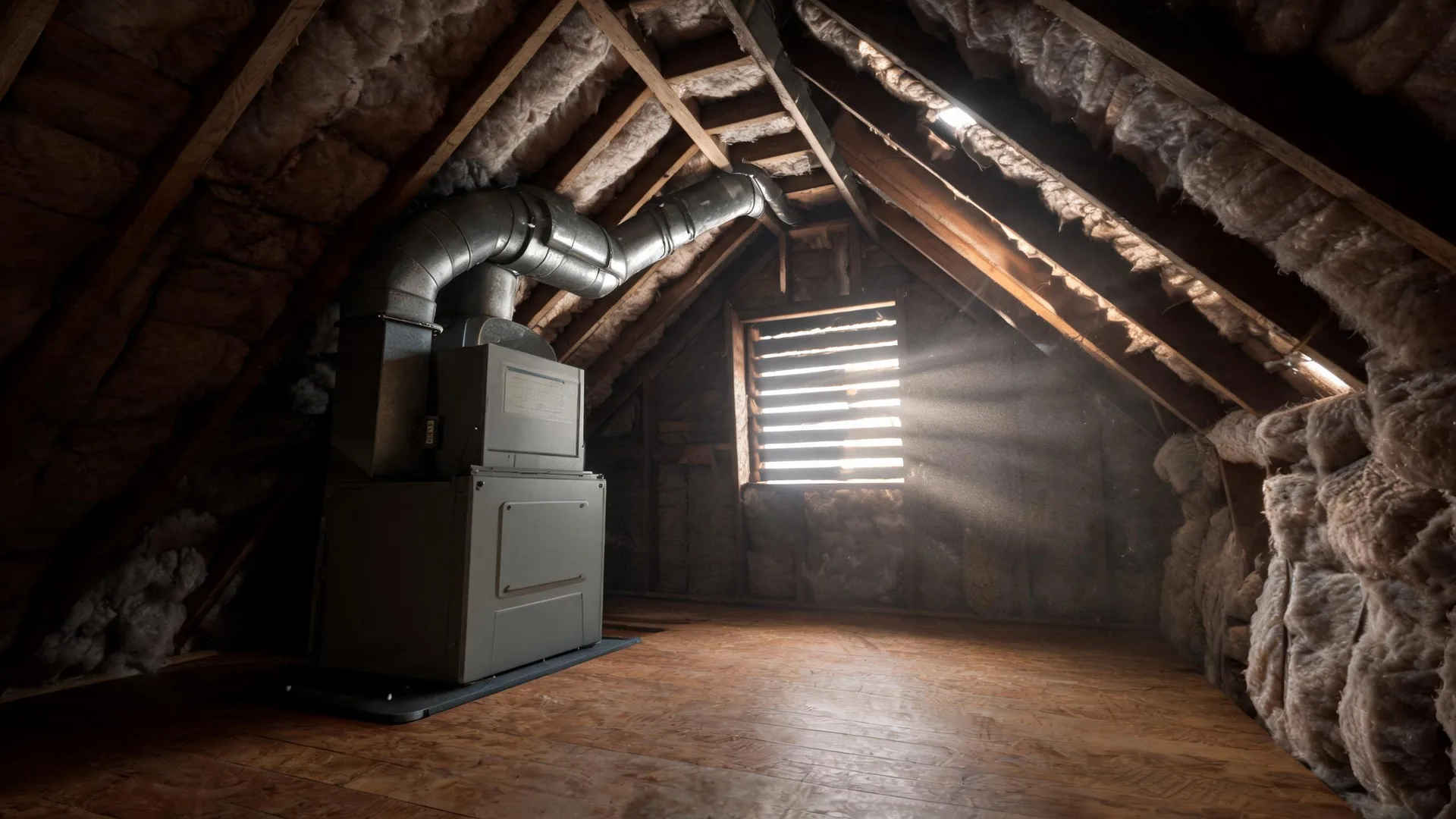
The rating only holds if the matched parts go in together

The number on the label comes from testing the coil, the condenser, and the air handler as a set. Install a high-rated condenser with the wrong coil, or tie it into ductwork that can't move enough air, and the system runs at whatever the weakest piece allows. Paying for a higher tier doesn't do anything on its own if the rest of the installation isn't built to support it.

An outdoor air conditioning condenser unit installed beside the exterior wall of a blue vinyl-sided house at sunset.

Going above the federal minimum saves little here, about $20 a year.

  • A higher-efficiency unit$150 a year
  • A new unit at the federal minimum, 13.4 SEER2$170 a year

Estimates for a typical McHenry County home, from EIA household energy data, Illinois fuel prices and NOAA climate normals. Your home will differ.

Installation day starts with the old equipment coming out, not the new unit going in. The condenser gets disconnected and removed, the old coil comes out of the air handler, and if the line set is being replaced, those copper lines come out too. Once the site is clear, the new coil goes into the air handler first, then the line set runs between the indoor and outdoor units. Those connections get brazed, not just fitted together, and the whole line set gets pressure tested before any refrigerant goes in. The system gets evacuated to pull moisture and air out of the lines, because either one left behind causes problems later. Only after that does the refrigerant get weighed in to the amount the manufacturer specifies. Last comes startup, when the electrical connections get checked, the thermostat gets confirmed to talk to the system, and the unit runs so the installer can see it's actually moving the air it should.