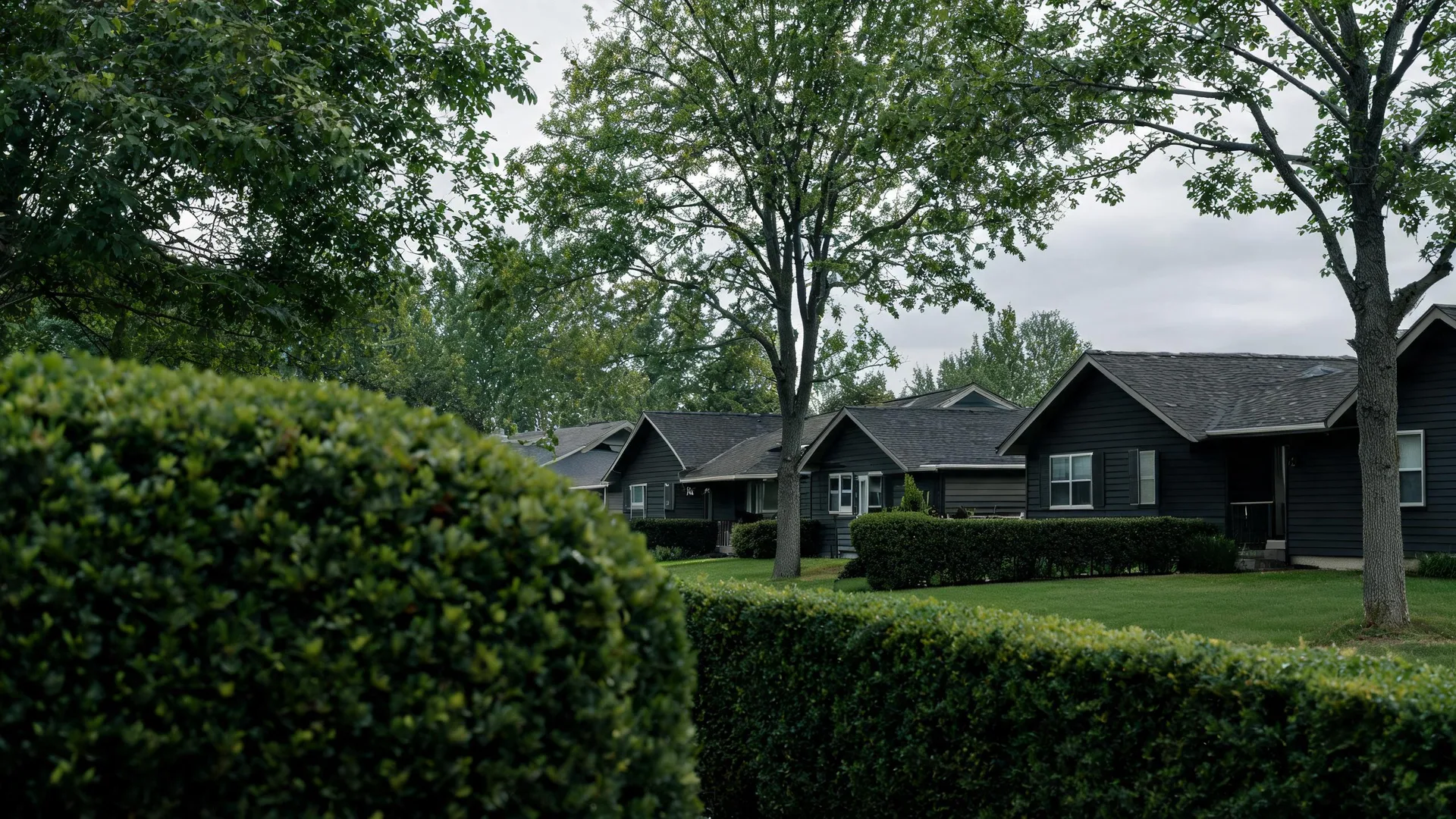






A row of dark-clad single-story houses with gabled roofs behind trimmed hedges, lawn and leafy trees under an overcast sky.

AC Installation in Naperville, IL

Tell us about the job

Takes about a minute. No obligation.

New system or replacementCentral ACDuPage County, IL
Step 1 of 2

What ZIP code is the job in?

DuPage County logged 275 severe weather events between 2015 and 2024. Damaging wind caused 180 of those, hail hit 58 times, and 21 tornadoes touched down in the county over that stretch. An outdoor condenser sits outside through all of it, exposed to wind-blown debris and hail. Power doesn't always hold up either. Across Illinois, 16% of households went at least 24 hours without power in 2024, and a cut like that takes your air conditioner down with it, along with anything else running on electricity.

3 months
June through August, your air conditioner is on duty
82°F
the average summer afternoon it cools against
58 hail events
in ten years, and hail bends the fins on outdoor coils
13.4 SEER2
the federal minimum any new unit must meet
Isometric line illustration of a cutaway house showing interior rooms with furniture, ceiling ductwork, an indoor air handler, and an outdoor condenser unit connected by lines.
Your air conditioner works hardest from June through August.

NOAA nClimDiv, 1991–2020 normals

The efficiency number on the label tells you how much cooling the system gets out of the power it uses, nothing more.

A higher rated system costs more up front, so the install only pays for itself if the unit is sized and set up to run the way it's rated.

May is the month to get it done, before June asks anything of it

Cooling runs June through August
Summer afternoons average 82°F
180 damaging wind events from 2015 to 2024
Here, AC Joins a Gas FurnaceGas heats 83% of homes here, so most AC installs add cooling to a furnace already moving the air.

DuPage County sits in zone 5A, a cool climate where the code treats heating as the bigger job, not cooling. That doesn't mean the air conditioner gets a pass. Any split system under 45,000 Btu an hour built from 2023 onward has to clear a federal floor of 13.4 on the efficiency rating, and a contractor can't legally put in anything below that. So whatever gets quoted has already met that standard before it shows up on your property. A system that qualifies may also open up the federal tax credit, which is worth asking about before you sign anything.

Pick a spot for the condenser that gives it a fighting chance

Ask where the new unit will sit and what's around it. One storm system can bring wind, hail and a power cut all in the same week here. The install is the time to decide how the outdoor unit is protected and how heat and hot water get handled if the power goes out.

Find a contractor
An outdoor air conditioning condenser unit mounted on a concrete pad beside a house, with electrical conduit running to a wall-mounted disconnect box.

Before the new unit goes in, the old one has to come out the right way

Whoever handles the install still has to deal with the system coming out. The refrigerant in that old condenser can't just get vented to the air. It has to be recovered into a tank with the proper equipment, which is why this isn't a job for whoever happens to be free that day. Once it's drained down, the line set gets disconnected, the old pad or mounting brackets come up, and the unit gets hauled off for the copper and aluminum in it, most of it scrap metal from there. Indoors, if the coil is being swapped too, that comes out of the plenum and the old line set gets pulled back to the new coil rather than left to rattle around behind the wall. None of this is the hard part of an install. It just has to happen in the right order before anything new goes in.

Size is worked out, not guessed

A contractor figures the right size with a load calculation, checking square footage, window area, insulation and how the house is laid out. It's the only way to know what size unit the home actually needs. Going by the size of the old unit, or by a rule of thumb, skips the parts of the house that changed since it was built.

The wrong size costs you either way

An oversized air conditioner cools the air fast and shuts off again before it pulls the moisture out, so the house feels clammy even when the temperature looks fine. It also cycles on and off more, and every start puts wear on the compressor. An undersized one runs long and hard and still can't catch up on the hottest days.

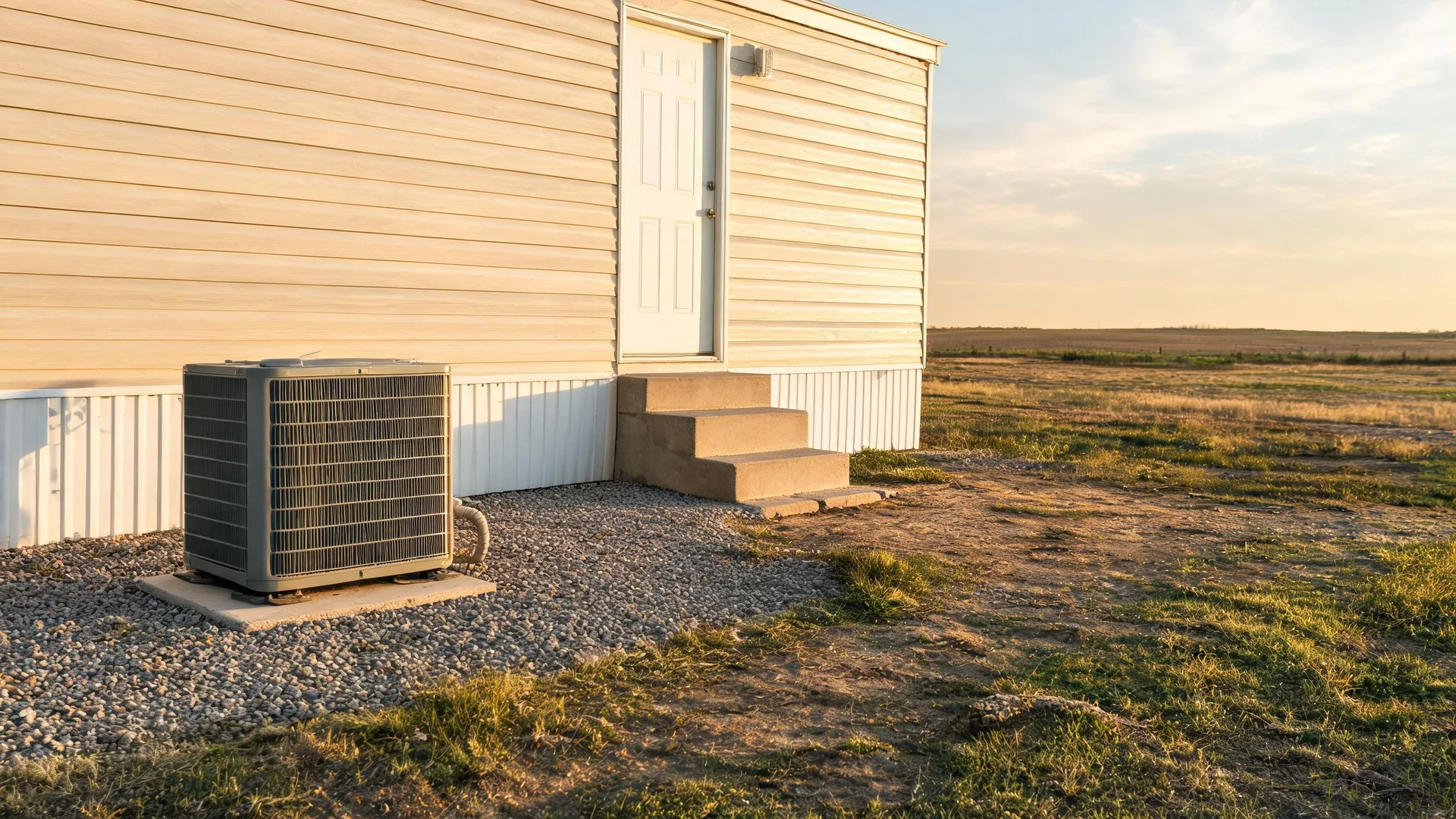
An outdoor air conditioning condenser unit positioned beside a blue-sided house at sunset.

Going above the federal minimum saves little here, about $20 a year.

  • A higher-efficiency unit$180 a year
  • A new unit at the federal minimum, 13.4 SEER2$200 a year

Estimates for a typical DuPage County home, from EIA household energy data, Illinois fuel prices and NOAA climate normals. Your home will differ.

Installation day starts outside, with the old condenser disconnected and the new pad or mounting brackets set level. A level pad matters more than it looks like it should, since a unit settling unevenly over time puts strain on the line set and the refrigerant lines running to it. Indoors, if the coil is being replaced, it goes into the plenum and gets sealed so air isn't leaking around it instead of through it. Once the new line set is connected, the system gets pulled into a vacuum to clear out moisture and air, because either one left behind will damage the compressor over time. Only after that does refrigerant go in, charged to the specific weight the system calls for, not just topped off until it seems to run. The last part is startup: checking airflow at the vents, checking the refrigerant charge against the manufacturer's numbers, and confirming the thermostat is actually talking to the system before anyone calls it done.