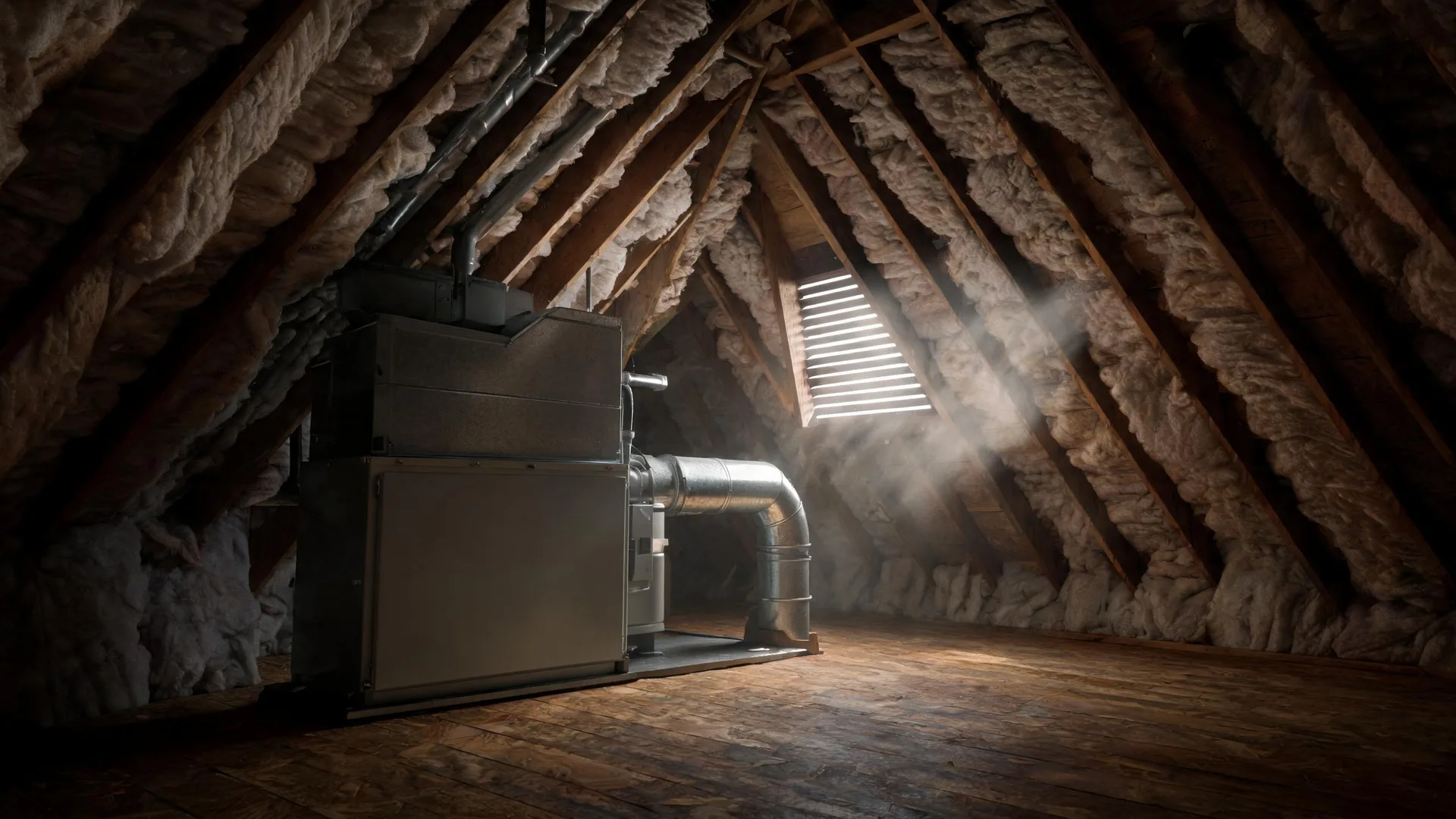
Electricity here runs 16.06 cents a kilowatt-hour
That's above what most US counties pay. An air conditioner in Clinton County turns electricity into cooling all summer, and every cent on that rate applies to every hour it runs.
Takes about a minute. No obligation.
That's above what most US counties pay. An air conditioner in Clinton County turns electricity into cooling all summer, and every cent on that rate applies to every hour it runs.
Summer dew points average 67 degrees here, among the higher numbers in the country, which means the air carries a lot of moisture for a unit to pull out on top of cooling it. Sizing and installing for that load is what keeps the running cost down once summer settles in.

NOAA nClimDiv, 1991–2020 normals
The size of the condenser and the size of the house are two different questions.
An installer who sizes the system to the load, not just the square footage, is the one who gets the running cost right.




Clinton County falls under zone 4A in the 2021 energy code, a mixed climate that asks real work of both the furnace and the condenser. Any split-system air conditioner installed here, if it's under 45,000 Btu an hour and built from 2023 on, has to hit at least 13.4 Btu of cooling for every watt-hour it draws over the summer. That's the federal floor, not a target to aim for. It rules out the oldest, cheapest units on the market before an installer even looks at your house. A homeowner replacing a system that predates this rule will likely see the new one pull less power for the same job, just to meet the minimum. Buyers also have a federal tax credit to weigh against the purchase, worth looking into before deciding what to install.
The rate here does not change. What changes is whether the system installed works with it or against it. Getting the sizing and installation right now is what keeps that rate from costing more than it has to, all summer, every summer.
Find a contractor
The rating on the label is a ratio, cooling delivered against electricity drawn, measured across a full summer rather than at one moment. A unit can hit that number on a mild afternoon and fall short of it on a brutal one, because heat and humidity both load the system harder as they climb. What the rating promises is an average over the whole season, not a guarantee for any single day. Two systems can carry the same rating and still behave differently once installed, because the number is tested under set conditions, and ductwork, charge and airflow in the actual house all move the real result. A unit running on a dirty coil or with the wrong refrigerant charge will draw more power to do the same job no matter what the label says. The rating describes the equipment as built. Keeping it near that number for years depends on the coil staying clean, the airflow staying correct, and the charge staying where the manufacturer set it.
A condenser holds a charge of refrigerant that can't just be let out. Before anyone disconnects the lines, that refrigerant gets recovered into a tank, not vented. The old pad, the line set, sometimes the whole slab gets a look too, since a new system may not match up to what's already there.
If the old line set stays in place, it needs to get flushed or replaced, because leftover oil and debris from the old compressor will shorten the life of the new one. Same with the indoor coil. Reusing a coil that doesn't match the new condenser's charge and metering device is how a new unit ends up running worse than the one it replaced.
Estimates for a typical Clinton County home, from EIA household energy data, Illinois fuel prices and NOAA climate normals. Your home will differ.
Install day starts with a load calculation, not a guess off the old unit's size. The crew sets the new condenser on a pad, runs or reuses the line set, and connects it to the indoor coil, then evacuates the lines to pull out air and moisture before any refrigerant goes in. That vacuum matters as much as the charge itself, since trapped moisture turns to acid inside the system over time. Once the charge is in, they check it against the manufacturer's number for the exact outdoor temperature that day, not a fixed reading. Airflow gets checked too, static pressure across the coil and furnace, because a system can be charged right and still run wrong if air isn't moving through it the way it's supposed to. Before anyone leaves, it should be cycled and tested, not just switched on and left.