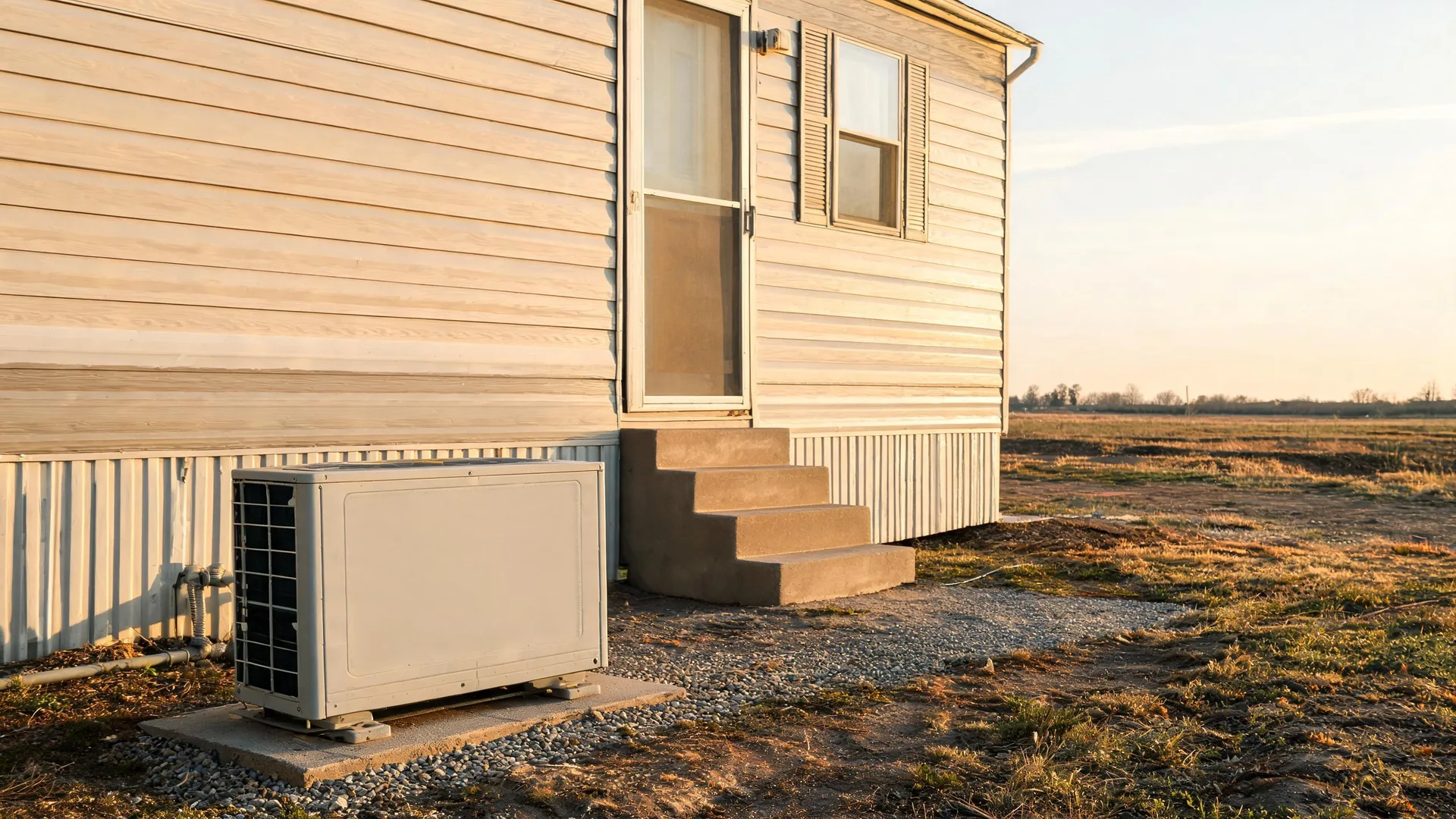
Electricity here runs 17.65 cents a kilowatt-hour
That is higher than what most counties in the country pay. An air conditioner is one of the biggest draws on a home's electric meter, so that rate applies to every hour the system runs.
Takes about a minute. No obligation.
That is higher than what most counties in the country pay. An air conditioner is one of the biggest draws on a home's electric meter, so that rate applies to every hour the system runs.
Two units can cool the same house and pull different amounts of power doing it. At Belleville's electric rate, that difference shows up on the bill every month the unit runs.

NOAA nClimDiv, 1991–2020 normals
Most homes in St. Clair County heat with gas, 60.6 percent of them.
A gas furnace paired with a new AC unit is the standard setup here, not a special request.



St. Clair County falls under zone 4A in the 2021 energy code, a mixed climate that asks real work of both the furnace and the air conditioner. Any split-system air conditioner installed here, under 45,000 Btu an hour, has to clear 13.4 SEER2, the federal floor set for units built from 2023 on. That number sets the baseline, not the ceiling. A contractor sizing a system for this county can install above that minimum, and in a climate that runs the AC hard every summer, the gap between the floor and something higher is where the running cost splits off.
The SEER2 rating on the unit going in is a choice made once, at installation. Power here costs more than it does in most places, so that choice sets what every summer after this one costs to run. A contractor can install above the federal floor. Asking what rating is going in, and why, is part of sizing this job right.
Find a contractorFive months a year this system runs, May through September. Afternoon highs average 87°F in June, July and August, and the dew point sits at 66°F across those same months, higher than most of the country. That's what makes the air feel heavy even when the temperature alone doesn't look that bad. A compressor working against air like that runs longer to pull the same heat out of a house. More run hours means parts wear sooner, the capacitor, the contactor, the fan motor. St. Clair County also saw 84 damaging wind events and 43 hail events between 2015 and 2024, and the outdoor unit sits through all of it, season after season. None of this means buy the biggest unit on the lot. It means size it for this house and this county, and don't pick on price without asking what the unit is actually rated to handle.
SEER2 is a ratio. It divides the cooling a unit puts out over a season by the electricity it takes to do that work. A higher number means the compressor moves the same heat out of the house using less power to do it. It says nothing about how big the unit is or how fast it cools a room. Two systems can feel identical on a hot afternoon and still pull very different amounts of power from the meter to get there.
That efficiency number comes from lab testing with the system matched correctly, the coil sized to the condenser, the refrigerant charge exact, the airflow across the coil where it should be. Install the same unit with a mismatched coil or a low charge and it will run and cool the house, but it won't deliver the rating on its label. The number on the sticker is only as real as the installation behind it.
Estimates for a typical St. Clair County home, from EIA household energy data, Illinois fuel prices and NOAA climate normals. Your home will differ.
Installing a new air conditioner takes most of a day, sometimes longer if the ductwork needs changes too. The old outdoor unit and indoor coil come out first, along with the refrigerant lines running between them. A contractor will check the ductwork at this point, because a system sized right still won't perform if the ducts feeding it are too small or leaky. New line sets usually go in rather than reusing the old ones, since the refrigerant in new systems isn't the same as what older units used. Once the new condenser and coil are set, the lines get connected, pressure tested for leaks, then charged with refrigerant to the exact amount the manufacturer specifies. The last part of the day is airflow and startup: checking that the blower is moving the right amount of air across the coil, confirming the thermostat is wired and talking to the system, and running the unit through a full cycle to see that it's cooling the way it should before anyone calls the job done.