This county gets hit hard
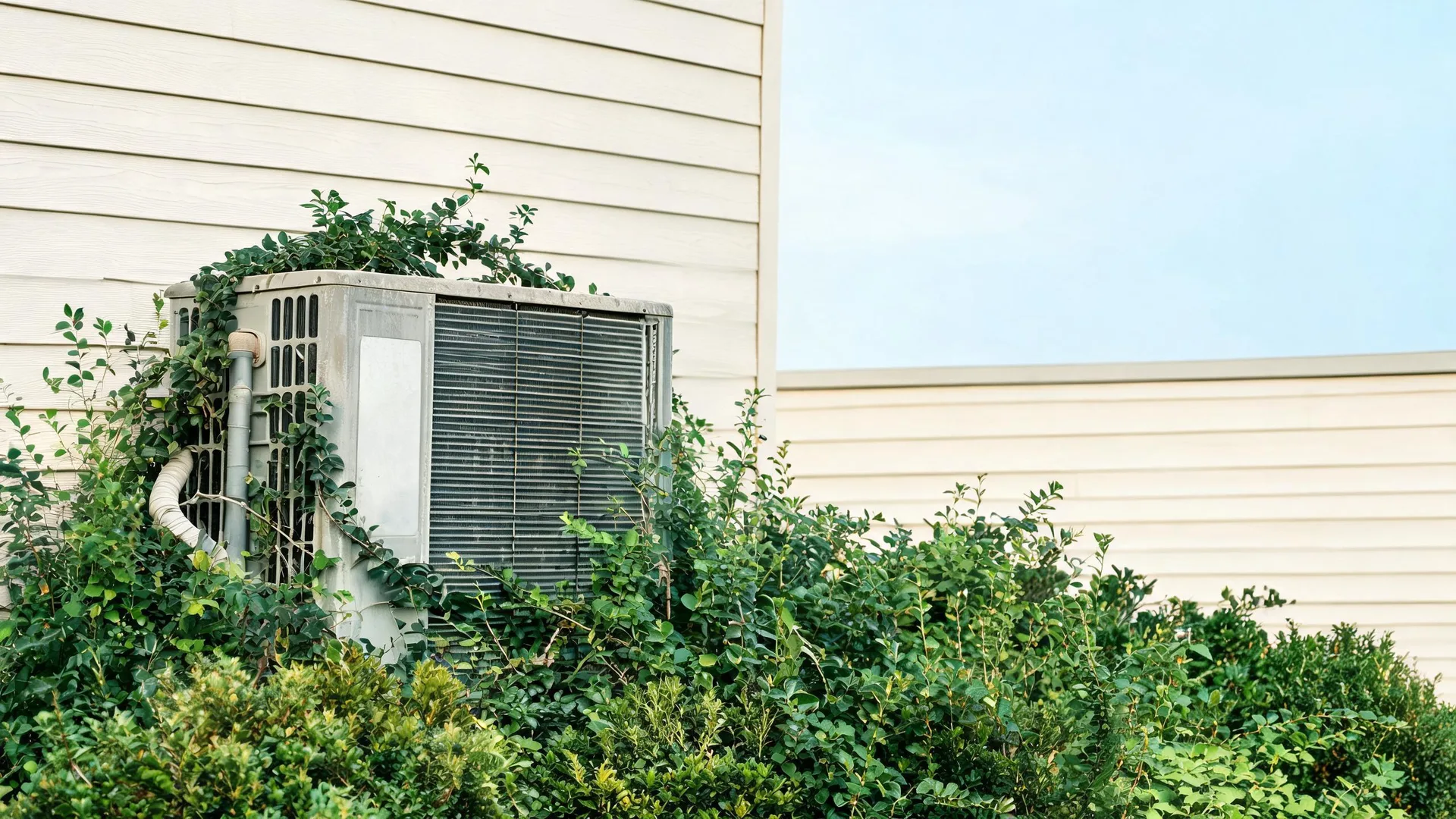
Tazewell County logged 261 severe weather events between 2015 and 2024, including 154 damaging wind events, 82 hail events, and 15 tornadoes. That's a lot of chances for an outdoor condenser to take a hit.
Takes about a minute. No obligation.
Tazewell County logged 261 severe weather events between 2015 and 2024, including 154 damaging wind events, 82 hail events, and 15 tornadoes. That's a lot of chances for an outdoor condenser to take a hit.
16% of Illinois households went at least a full day without power in 2024. A unit that was running fine before the lights went out doesn't always start up the same afterward.

NOAA nClimDiv, 1991–2020 normals
Summer here runs June through September, with afternoon highs averaging 84°F and a dew point near 64°F.
Four months of hard, muggy running is enough to wear down a weak part before fall shows up.



May is worth a look before June gets here. Cooling starts in June, and whatever was already weak in the system usually shows up fast once it has to run hard. A capacitor or contactor that was limping along last September doesn't rest over the winter. It just sits until the first real load hits it again. Getting it checked in May means it gets caught on a mild day instead of the first hard-running one.
Hail, wind and the outages that follow are routine here. An outdoor unit can take a hit and keep running for a while before it shows the damage. If yours has been through a storm or a power cut this year, get it looked at even if it still cools fine today.
Find a contractorIf your AC is the original one from when the house was built, it's had decades to wear down. An old unit shows it in summer: longer run times, warm air at the vents, a condenser that short-cycles more than it used to. If the repair being quoted is a big one, ask the contractor how much life is left in the unit before paying for it. Sometimes the honest answer is that the money is better spent on a new one.
If the AC won't start at all, look at the breaker panel before anything else. A tripped breaker is easy to miss. There's also a pull-out disconnect box mounted near the outdoor unit, and it has to be fully seated for the condenser to get power. Both are safe for a homeowner to check and reset.
Make sure the thermostat is set to cool and set below room temperature, and swap the batteries if the screen is blank. Then look at the air filter. A filter clogged with dust chokes off airflow, and that alone can make a system blow warm air or ice up the coil. These two checks take a few minutes and rule out the simplest causes before anyone calls for a repair.
Estimates for a typical Tazewell County home, compared with an older unit built to the previous federal minimum, from EIA household energy data, Illinois fuel prices and NOAA climate normals. Your home will differ.
Repair makes sense when a part like a capacitor or contactor has failed.
Replacement makes sense when the compressor has failed or the system uses R-22 refrigerant, which is no longer made.
A diagnostic visit starts before any panel comes off. The contractor asks what the system was doing right before it quit, whether it was blowing warm air, short-cycling, or not starting at all. Then comes the electrical side: checking voltage at the condenser, testing the capacitor and contactor, looking for a compressor that hums but won't start. The refrigerant side gets checked too, with gauges on the lines to see if the charge is low and, if it is, where it might be leaking from. Airflow matters as much as the parts themselves, so the coil and blower get a look to see if something is choking the system before it ever reaches the compressor. By the end, the contractor should be able to point to the one part that failed and explain why, not just guess at a few that might have.