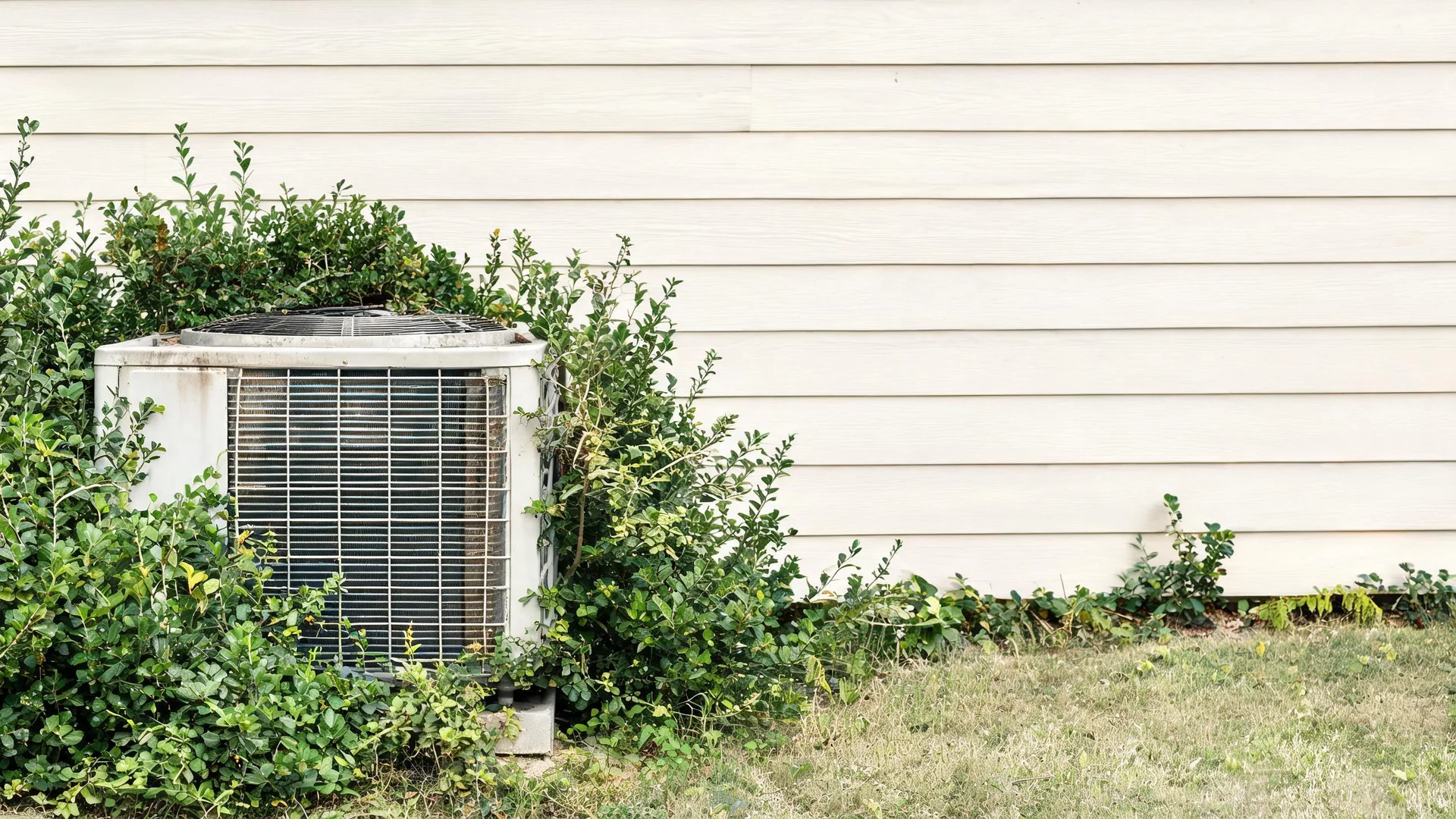
June is when it gets tested
Cooling in Lake County runs June through August. Whatever's weak in your AC usually shows itself in those first weeks of real heat, not later in the summer.
Takes about a minute. No obligation.
Cooling in Lake County runs June through August. Whatever's weak in your AC usually shows itself in those first weeks of real heat, not later in the summer.
Your AC sits unused most of the year before June. May is the month to have it checked, before the first hot week finds the weak part for you.

NOAA nClimDiv, 1991–2020 normals
Waukegan AC runs about three months a year, June through August.
When it breaks, it's usually a weak capacitor or low refrigerant charge, not something this county did to it.



Nothing about Waukegan pushes an AC harder than normal. Electricity here runs 15.87 cents per kilowatthour, so a system that's lost a bit of charge or runs on a tired capacitor will cost more to limp along on, not less. That's reason enough to fix the real problem instead of waiting it out. A unit that short cycles or blows warm air is telling you something specific broke, usually the capacitor or the charge, and a tech can test for which one it is in a single visit. Fixing that part gets you the rest of a normal summer out of the system, not a patch job.
Problems tend to show up in the first weeks of the season, when the load hits a part that was already weak.
Find a contractorHalf the homes in Lake County were built in 1983 or later. A system installed with a newer house still has years of working life in it, which is one more reason a repair is the right call before anything bigger gets considered. The capacitor or the charge doesn't know how old the house is. It just failed, and swapping it out should carry the unit through the rest of this summer and into the next.
Every time the compressor and fan start, the capacitor gives them the jolt to get moving. That happens on every cycle, all season. The part just wears down from use until it can't deliver the jolt anymore, and the system either hums without starting or shuts itself off partway through the cycle.
Refrigerant doesn't get used up. If the charge is low, it's leaking out somewhere, usually at a fitting or a coil. The system keeps running, but it cools less and runs longer to do it, which is why a unit can seem to get weaker over the season instead of failing all at once.
Estimates for a typical Lake County home, compared with an older unit built to the previous federal minimum, from EIA household energy data, Illinois fuel prices and NOAA climate normals. Your home will differ.
Repair makes sense when a part like a capacitor or contactor has failed.
Replacement makes sense when the compressor has failed or the system uses R-22 refrigerant, which is no longer made.
A compressor is the one part that decides the question for you. If it's seized or has burned windings, that's the most expensive piece of the system, and putting one in on an old unit rarely makes sense next to replacing the whole thing. Everything else, the capacitor, the fan motor, a leak at a fitting, is a normal repair on a system of any age. The unit's age matters more than the symptom does. A system still within its expected working life is worth fixing almost every time it breaks. One already well past it, failing for the second or third time, is where that same repair bill stops making sense and a tech should be telling you both numbers before you decide anything.