







A lit residential street at dusk featuring large two-story brick houses with glowing windows, mature trees, and a street lamp.

AC Repair in Springfield, IL

Tell us about the job

Takes about a minute. No obligation.

RepairCentral ACSangamon County, IL
Step 1 of 2

What ZIP code is the job in?

Sangamon County logged 335 severe weather events between 2015 and 2024. Damaging wind came through 198 times in that stretch, and hail hit 110 times, with 15 tornadoes touching down too. An outdoor condenser sits outside through all of it. Hail can dent the fins or crack a fan blade without stopping the unit right away, so it keeps running on damage you can't see from the kitchen window. Power matters as much as the storm itself. Statewide, 16% of Illinois households went at least a day without power in 2024, and a unit that sat through an outage is worth a look even if it starts back up fine on its own.

5 months
May through September, your air conditioner is on duty
85°F
the average summer afternoon it cools against
110 hail events
in ten years, and hail bends the fins on outdoor coils
198 wind events
in ten years, and wind drives debris into outdoor units
Isometric line illustration of a cutaway single-story house showing interior rooms, ceiling ductwork and an air handler, connected to an outdoor condenser unit on a pad beside the building.
Your air conditioner works hardest from June through August.

NOAA nClimDiv, 1991–2020 normals

Warm air from the vents means the system is running but not cooling.

A refrigerant leak or a failing compressor both show up this way, and neither gets better on its own.

Five months of summer here wears a system down faster than people expect

Cooling runs May through September
Summer afternoons average 85°F
198 damaging wind events from 2015 to 2024
Early summer is when weak parts give outCooling starts in May here. The first hot stretch finds whatever didn't make it through storage.

A unit that runs five months straight doesn't get much of a break to show what's wrong with it. If something's off, a contractor has to actually look rather than guess from how old the system is or how it sounds. That means checking the refrigerant charge, the electrical connections, the condenser coil, not just swapping a part and hoping. Wind has hit Sangamon County 198 times in the last stretch of years, and hail 110 times, so a unit that's been acting up since a storm came through is worth having checked at the cabinet, not just the thermostat. A proper diagnosis costs less in the long run than a fix that misses what's actually failing.

If a storm came through, get the unit checked before you trust it

A unit that took hail or wind damage can keep running for a while before it quits. If yours sat through a storm or lost power this year, have it looked at even though it still cools.

Find a contractor
A man seen from behind in a gray long-sleeved shirt and tan work pants climbs porch steps toward a dark teal front door, carrying a canvas tote bag with leather handles, beside a potted shrub.
An outdoor residential air conditioning condenser unit mounted on a concrete pad, surrounded by gravel with a blue sky in the background.

What actually wears out and why

Most failures come down to the same handful of parts. The capacitor that gets the compressor and fan motor started weakens over years of heat cycling, and when it goes, the unit hums but doesn't start, or it short cycles. The contactor that switches power to the outdoor unit pits and burns with every cycle until it sticks or stops making contact. Fan motor bearings wear out and the motor seizes or starts dragging. The condenser coil collects dirt and debris over time, and when it can't shed heat the system works harder and the compressor runs hotter than it should. Refrigerant leaks develop slowly at fittings and joints, and a system that's low on charge cools poorly and strains the compressor until it fails outright. None of these announce themselves ahead of time. A unit can run fine on Monday and short cycle on Tuesday because a capacitor finally gave out after months of slowly losing capacitance.

A compressor running low on charge keeps drawing on itself

A compressor is built to move refrigerant, not to run dry. When the charge is low, it still tries to pump, and it runs hotter doing it. Heat breaks down the oil that lubricates its internals. Keep it running in that state and the compressor wears out from the inside well before a full system failure would otherwise call for one.

A grinding or screeching fan motor is already failing

A fan motor that screeches or grinds has worn bearings, and those don't recover. Running it keeps metal wearing on metal until the motor seizes, usually at the worst possible moment. Shutting the system off when you hear that sound is the difference between replacing a motor and finding out the hard way that it quit mid-cycle.

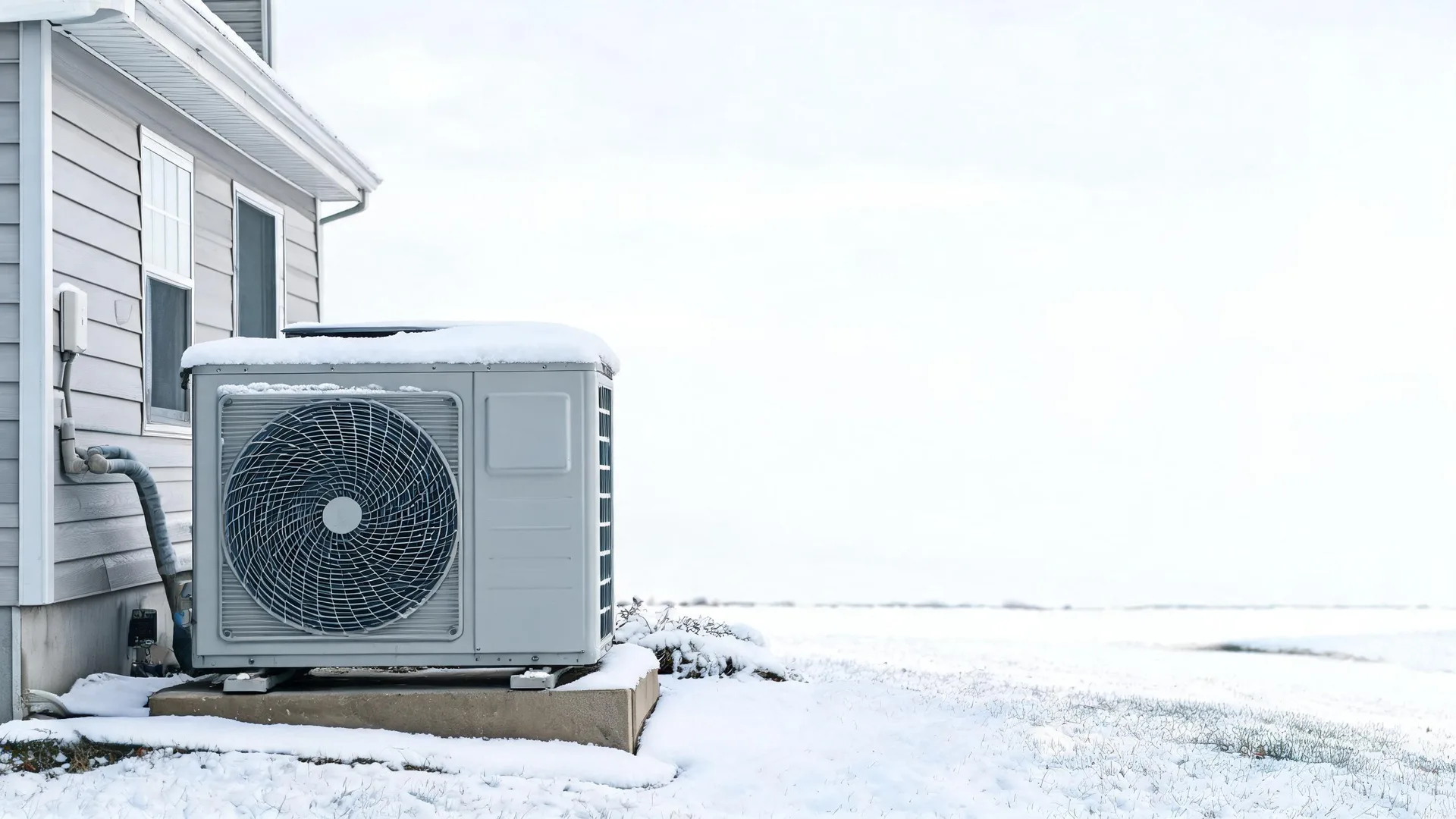
An outdoor air conditioning condenser unit on a concrete pad next to the gray vinyl siding of a residential home.

A new air conditioner would cut about $30 a year off cooling for a typical Sangamon County home.

  • A new one at the federal minimum, 13.4 SEER2$270 a year
  • An older air conditioner$300 a year

Estimates for a typical Sangamon County home, compared with an older unit built to the previous federal minimum, from EIA household energy data, Illinois fuel prices and NOAA climate normals. Your home will differ.

Repair makes sense when a part like a capacitor or contactor has failed.

Replacement makes sense when the compressor has failed or the system uses R-22 refrigerant, which is no longer made.

A repair is worth it when the rest of the system is sound and the failure is one part doing its job badly. A capacitor, a contactor, a fan motor, these are replaceable on their own, and swapping one doesn't put stress on anything else in the system. Age changes that math. A compressor near the end of its life can fail again a year after a costly repair, and at that point you've paid twice to end up in the same place. The condition of the coil and the compressor matter more than how old the unit is on paper. A contractor who opens the cabinet can tell you whether the compressor is still drawing current the way it should, or whether it's already straining. That's worth knowing before you decide to fix what's in front of you instead of replacing the whole unit.